

















































How to Lose Weight During Perimenopause

Perimenopause can be a challenging time. Fluctuating hormones can bring on moodiness and symptoms such as hot flashes and make it tough to pare pounds. Some women begin to suffer estrogen dominance, which accelerates weight gain. It can be frustrating, because eating and exercise habits that worked just fine before may not be enough anymore. Taking a close look at your changing body, eating smarter and adopting some new lifestyle habits can help balance hormones, alleviate perimenopause symptoms and combat weight gain.

Step 1

Check your hormone levels with your doctor to see if you suffer from estrogen dominance. If you do, make sure to get enough zinc and magnesium and take a multivitamin with vitamins B, B6, D and E. Supplement with 500mg black currant seed oil after food twice a day and add citrus fruits to your diet, because they are rich in hesperidin, a bioflavonoid that increases capillary strength to help reduce hot flashes. Discuss using a natural progesterone cream with your doctor or naturopath.

Step 2

Improve your liver's health. This vital organ cannot metabolize fat properly when it is stressed. Hormones, along with coffee, sugar, acetaminophen and other over-the-counter drugs, trans fats, sugars and sweeteners, can overload the liver. Cut liver stressors and add detoxifying herbs and spices such as cumin, cilantro, garlic and ginger.

Step 3

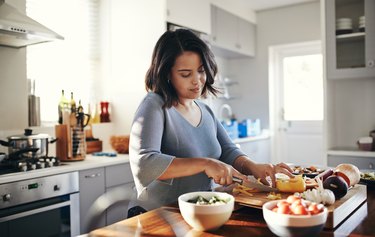
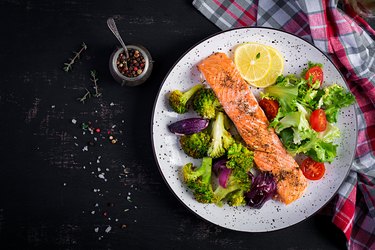
Lower your insulin level with a balanced diet. Insulin is a fat-promoting hormone. Choose lean proteins and rely on slow-burning carbohydrates, such as vegetables and whole grains. Good meats include low-fat, grass-fed beef, omega-3 enriched eggs, lamb and two weekly servings of salmon.

Step 4

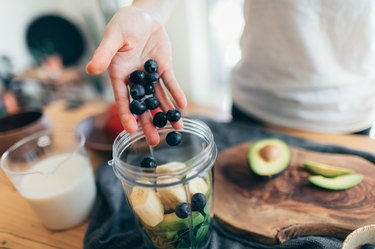
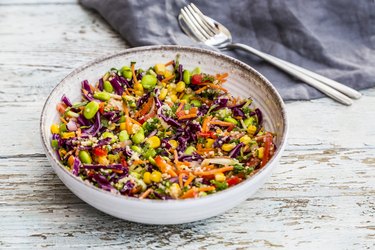
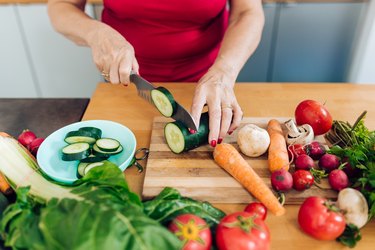
Boost consumption of fruits and vegetables that detoxify and have fiber, vitamins and minerals. Great veggies include asparagus, broccoli, cabbage, cauliflower, kale, watercress and zucchini. Especially increase intake of leafy greens. Fruits that detoxify are apples, berries and peaches.

Step 5

Utilize lemons, limes and cranberries, because they are natural fat metabolizers. Lemons and limes help your body digest fats. Cranberries and 100 percent cranberry juice are high in four organic acids that act as digestive enzymes. These help gobble up little fatty deposits that get stuck in the lymphatic system. Use 8 oz. unsweetened cranberry juice daily.

Step 6

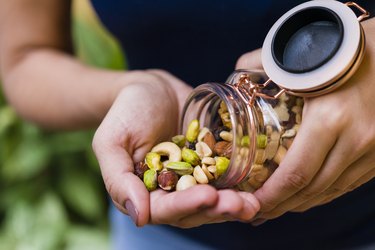
Make sure you get all types of essential fatty acids. Omega 3s are best found in chia seeds, flaxseed oil and fish oil. Omega 6s include gamma linolenic acid, or GLA. Rich sources are black currant seed oil and evening primrose oil. Omega 9s are found in olive and macadamia nut oil. Such monounsaturated fatty acids, or MUFAs, are high in oleic acid and keep the belly slim.

Step 7

Find your baseline calorie need and then deduct 500 to 1,000 calories a day. Meet with a dietitian to gain your "baseline," or use the American Dietetic Association's formula. Most people can multiply weight by 13 to a baseline. If you are sedentary and obese, multiply by 10. If you are very active, multiply by 15.

Step 8

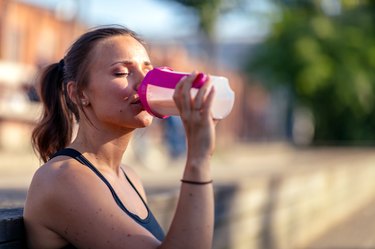
Exercise consistently. Exercise is important for women during perimenopause, because lean muscle and bone density diminish after the age of 30 and aerobic capacity decreases 1 to 2 percent per year. Do your workouts in chunks of at least 10 minutes.

Tips and Warnings

  • Stimulate your lymphatic system. A system that isn't draining can add two clothing sizes. To stimulate the system, drink plenty of water, use correct posture, dry brush the skin for a half hour once a week and utilize massage. Reduce your stress. Cortisol levels stay high if you have continuous or frequent stress. Cortisol activates body enzymes to store fat.
  • Check with your doctor before adding any supplements or changing your eating and exercise plan.

References

Article reviewed by Bridget Gregory Last updated on: Dec 2, 2009

Must see: Photo Galleries

Member Comments