






































































Alkalinity & pH in the Body

Normal blood plasma has a balanced pH of between 7.35 and 7.45. This balance reflects how acidic or alkaline your body is. The quality of your organs' functions are directly related to this pH, or potential hydrogen, level. Acidosis -- or plasma that has fallen below a pH of 7.35 -- is a medical condition that can, under some circumstances, be fatal.

Acidosis

There are two forms of acidosis; metabolic acidosis and respiratory acidosis. Respiratory acidosis occurs when too much carbon dioxide accumulates in your body. This may be caused by a chest injury, a chest deformity, muscle weakness or a chronic lung disease. Metabolic acidosis occurs either when too much acid is produced in your body or when the kidneys are unable to remove it effectively. This may be caused by kidney disease, diabetes, a buildup of lactic acid and some forms of poisoning. Treatments are aimed at the underlying conditions.

Alkaline Lifestyle

The alkaline lifestyle is a program of diet, exercise and meditation aimed at maintaining an alkaline body state. Proponents such as nutritionist Dr. Robert O. Young claim that an acid body state is the underlying cause of all disease and by alkalizing the body, disease can be prevented. Young offers no scientific explanation for this claim and there are currently no available studies to support it.

Food Has No Effect

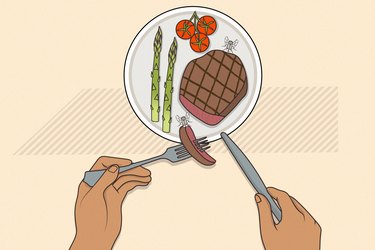
During the metabolic process, food leaves an end product known as "ash." Alkline-ash producing foods include raw vegetables and fresh fruit. Acid-ash producing foods include animal protein and grains. Advocates of the alkaline diet suggest that eating a ratio of 80 percent alkaline producing foods and 20 percent acid producing foods can help you maintain a healthy alkaline body state. However, although these foods affect the acid-base level of the urine, they do not affect the pH level elsewhere in the body.

Calcium and Blood pH

Dr. Gabe Mirkin, writing for Quackwatch.com, states that your stomach acid is so strong that no type of food can affect its acidity, nor can food change the acidity of your bloodstream. If the blood does become acidic, calcium is taken from your bones to neutralize the acid, preventing a sudden change in pH. This may happen if you eat more protein than you need, and your body, being unable to store it, converts it to organic acids.

References

Article reviewed by David Fisher Last updated on: May 6, 2011

Must see: Photo Galleries