




























































Top Ten Foods for Your Immune System

Top Ten Foods for Your Immune System
Photo Credit Orange and orange juice in a glass image by Svetlana Gladkova from Fotolia.com

The immune system is the body's first line of defense. It consists of a complex and organized group of tissues and cells that protect the body from allergens, bacteria, viruses and other organisms. The immune system is responsible for distinguishing between potentially harmful antigens and the body's own healthy cells. Good nutrition is one of the most important factors in maintaining a healthy immune system.

Citrus Fruits

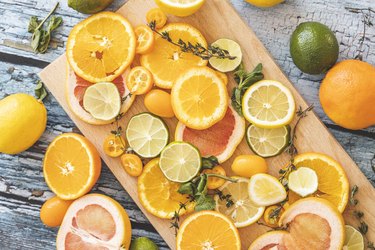
Vitamin C is a powerful antioxidant known to fight off infection and keep you healthy. Vitamin C boosts the immune system by increasing the body's production of white blood cells and antibodies, compounds essential to the immune response. Citrus fruits such as oranges, grapefruits, lemons, limes and tangerines are excellent sources of vitamin C. This vitamin has also been shown to reduce the risk of chronic conditions such as cardiovascular disease, high blood pressure and cancer.

Garlic

Garlic is a member of the onion family with powerful immune-boosting potential. Garlic stimulates the replication of infection-fighting white blood cells, boosts natural killer cell activity and increases the efficiency of antibodies. The pungent aroma of garlic is due to sulfur-containing compounds known as allicin. This compound exhibits antibacterial, antifungal and antiviral properties. Garlic is a natural antioxidant that reduces free radicals in the bloodstream and protects against tumor formation.

Yogurt

Probiotics or good bacteria are found in your gastrointestinal tract. When you get sick, the symbiosis --- or natural balance of good and bad bacteria in your gut --- is thrown off. Consuming yogurt with live bacterial cultures can help restore healthy bacteria. Yogurt is also a good source of the mineral selenium, an antioxidant that increases killer cells and mobilizes cancer-fighting cells. To maintain bacterial balance, include yogurt while taking antibiotics.

Green Tea

Green tea is rich in polyphenols, or plant antioxidant, which protect the body against invading microorganisms and inhibits the growth of cancer cells. Polyphenols defend the body against oxidative damage from free radicals and harmful components that cause premature aging. Tea has physical benefits as well; it is warm, steamy and soothing and therefore helps your body relax and relieve stress. Add a little honey for a natural sweetener.

Ginger

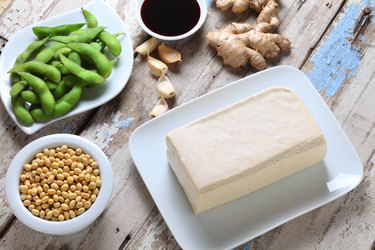
The active components in ginger are found in the root and are volatile oils. Gingerol and shogalo are pungent phenol compounds that give ginger its flavor and medicinal properties. It is often recommended as a tea or in a warm bath because ginger increases the production of sweat when it is warmed. This helps the body dispel germs and toxins. Ginger has also been shown to ease heartburn, nausea, vomiting, migraines and when dried, acts as an anti-inflammatory agent.

Fish and Shellfish

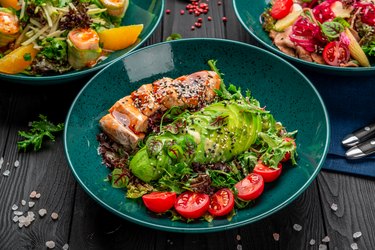
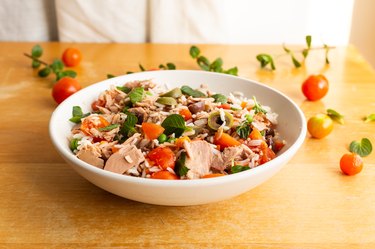
Fish contains a variety of immune-boosting compounds, including omega-3 fatty acids and the antioxidant selenium. Omega-3 fatty acids, found primarily in fatty fish like salmon, mackerel, tuna, trout and herring as well as in flaxseed, increase the activity of phagocytes. Phagocytes are white blood cells that engulf bacteria and protect the body against infection. Oysters, lobster, crabs and clams are rich in selenium. Selenium aids the body in the production of cytokines, proteins that eliminate viruses from the body.

Red and Orange Vegetables

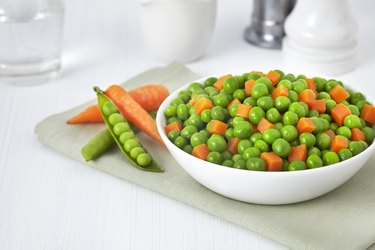
Bell peppers, pumpkin, sweet potato, tomatoes, squash, carrots and other brightly-colored vegetables are rich in beta-carotene. Beta-carotene increases the number of natural killer cells, infection-fighting cells and helper T-cells, all necessary for the immune response. Your body will convert beta-carotene from these foods into vitamin A. Vitamin A is a first-line defender against disease. These vegetables tend to be high in vitamin C.

Beef

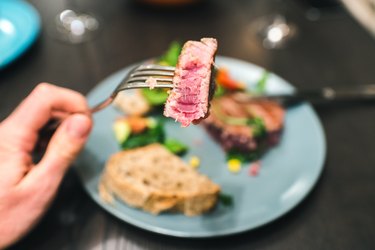
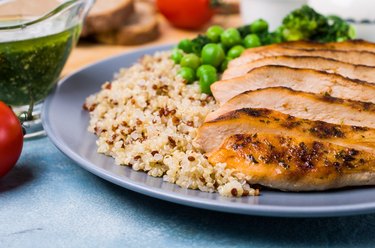
Meat, especially red meat, is a good source of zinc, an immune-boosting mineral. A mild zinc deficiency can make you more susceptible to infection and increase your chances of getting sick. Zinc is crucial in the development of white blood cells, the portion of the immune system responsible for recognizing and destroying harmful microorganisms. Pork, poultry, fortified cereals and milk also contain zinc.

Mushrooms

With its bright green color and dense florets, broccoli is a member of the calciferous vegetables. Broccoli is rich in vitamins A, C and E, making it an antioxidant powerhouse. It contains glucosinolates, which stimulate the body's immune system and sulforaphanes, potent anti-cancer agents.

Broccoli

With its bright green color and dense florets, broccoli is a member of the calciferous vegetables. Broccoli is rich in vitamins A, C and E, making it an antioxidant powerhouse. It contains glucosinolates, which stimulate the body's immune system and sulforaphanes, potent anti-cancer agents.

References

Article reviewed by Chuck Goldberg Last updated on: Aug 11, 2011

Must see: Photo Galleries