































































Breakfast Foods for Ovarian Cancer

Breakfast Foods for Ovarian Cancer
Photo Credit potatoes image by chrisharvey from Fotolia.com

Ovarian cancer affects the ovaries, where eggs are formed. It ranks seventh in the most common forms of cancer among women. The five-year survival rate for ovarian cancer is low, at 45 percent, according to the American Dietetic Association. However, healthy eating patterns -- such as eating a healthy breakfast -- three to five years prior to a diagnosis have the potential to influence survival time, according to a 2009 published study in "Journal of the American Dietetic Association."

Linkage of Diet

An estimated 21,880 women were diagnosed with ovarian cancer in 2010 and 13,850 women would die of the disease, according to the National Cancer Institute. There are three types of ovarian cancer, but cancer formed in the epithelial cells accounts for most cases. Ovarian cancer is often found when the disease is at an advanced stage -- making it very deadly. Early detection and treatment improve recovery, and diet also is important during treatment. Researchers in the aforementioned study from the "Journal of the American Dietetic Association" found that women whose food patterns had higher total fruit and vegetable consumption, and higher vegetable consumption alone, led to a survival advantage compared to women who did not have a healthy or mostly plant-based diet prior to diagnosis. Women who consumed higher intakes of less-healthy meats were associated with a survival time disadvantage, according to the study.

Foods

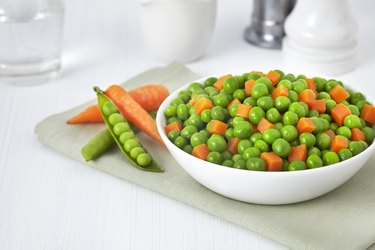
Eating a healthy breakfast is a good way to start your day. It can reduce early morning fatigue and improve your mood. Cancer treatments deplete energy levels, leaving you tired. Finding the strength to eat at times may be a challenge, but it is imperative that you eat to keep up your strength to deal with the side effects of treatment. During cancer, you may need extra servings of protein and calories from milk, cheese and eggs. Low-fiber foods might be tolerated a lot better than high-fiber foods and can help with bouts of diarrhea. Processed foods such as white bread, French toast and waffles are low-fiber foods. Although fresh fruits and vegetables are higher in phytochemicals that boost the working power of your immune system, consume strained fruit and vegetables without pulp and canned varieties that do not have pulp, seeds or stems.

Tips

Cancer patients may experience problems with eating after they begin treatment. Common eating problems include loss of appetite, dry mouth, constipation, diarrhea, sore mouth and changes in sense of smell and taste preferences. Stock your pantry and refrigerator with ready-to-eat foods. Prepare some meals ahead of time and freeze in them meal-size zip-close bags. Ask a friend, neighbor or family member to help you with grocery shopping and preparing meals during cancer treatments.

Warning

A healthy diet of plant-based foods is helpful in sustaining energy and supporting the immune system, but it will not cure disease. Speak to your doctor or dietitian about your diet if you have concerns about your nutrient intake during cancer treatments.

References

Article reviewed by J.A. Rist Last updated on: May 16, 2011

Must see: Photo Galleries