





















































Astaxanthin Facts

Astaxanthin Facts
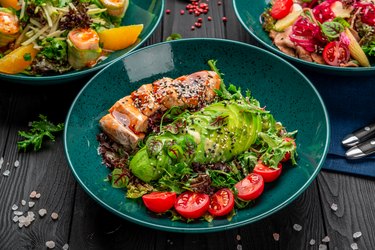
Photo Credit salmon image by cherie from Fotolia.com

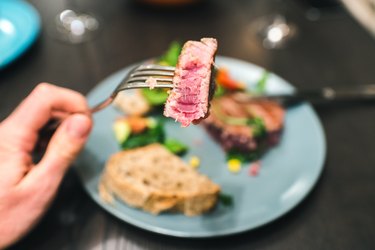
Seafood wouldn't be the same without the distinctive pink color that makes it so appetizing. The fleshy color is actually astaxanthin, a natural pigment loaded with a multitude of health benefits. It has been part of the human diet for centuries and scientific studies indicate that it can help reduce inflammation, protect skin from sunburns and fight against certain disease. However, according to Natural Standards, research to prove astaxanthin's antioxidant ability has been focused on animals.

Identification

Astaxanthin is a red carotenoid, a pigment produced by plants, fungi and bacteria, but most prevalent in algae. In 1970, an organic chemist, British professor Basil Charles Weedon discovered astaxanthin when he used magnetic resonance spectroscopy to map structures of the lipid soluble pigments. Animals, including humans, must obtain these essential pigments for health. Similar to beta-carotene, astaxanthin is a nutritional component, but also is used commercially to improve color.

Food Sources

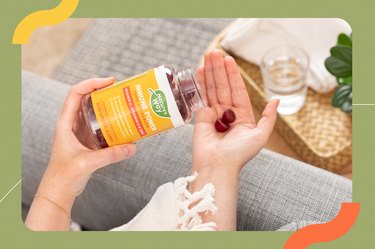
Natural sources of astaxanthin are found in shellfish, rainbow trout and krill. Salmon produces the highest concentration of astaxanthin. A rich, natural source comes from Haematococcus pluvialis, a byproduct of micro-algae. Also, fermentation of phaffia yeasts is a potent method for producing natural astaxanthin and considered a potent source due to its absorption power. Synthetic astaxanthin, used commercially, is expensive so a demand for natural sources is emerging for nutraceuticals, cosmetics and food supplies. Supplements are available on-line and at natural food stores. Regardless of astaxanthin's source, the carotenoid provides some healthful benefits besides improving color.

Health Benefits

Besides considered a strong coloring agent, astaxanthin has many health benefits. A study performed on rats and published in 1990 in published in "Physiological Chemistry & Physics & Medical NMR" indicated that astaxanthin is a potent antioxidant, protecting cells and boosting immunity. The pigment also lowers blood pressure and increases insulin sensitivity, according to a rat study published in February 2011 in the "International Journal of Medical Sciences." While human studies on astaxanthin are still limited, researchers continue to find evidence of its antioxidant ability, including positive effects on sun damage protection, stress management, muscle function and prevention of neurodegenerative diseases such as Parkinson's and Alzheimer's, according to Alga Technologies.

Considerations

According to Bob Capelli and Dr. Gerald Cysewski, authors of " Natural Astaxanthin: King of the Carotenoids," the pigment is considered safe with no toxicity. Side effects are minimal, even in high doses. Astaxanthin can interfere with certain medications. There is no standard dosage if taking in supplement form. Researchers GA Spiller and A. Dewell claim 4 mg of astaxanthin can safely be consumed by healthy adults.

References

Article reviewed by Mia Paul Last updated on: May 23, 2011

Must see: Photo Galleries