




























































Selenium & Hair Growth

Selenium & Hair Growth
Photo Credit woman brushing hair image by forca from Fotolia.com

Selenium works to keep your immune system healthy and rid your body of damaging free radicals, and all of this contributes to proper hair growth. While selenium alone will not cause your hair to grow, getting an adequate amount helps to ensure that your hair remains healthy. Both a deficiency and an overdose of this mineral can lead to poor hair growth, and your doctor can help you determine how to meet the RDA.

Importance of Selenium

Even though it is only a trace mineral, selenium is essential in a variety of ways. It creates proteins known as antioxidant enzymes, which help keep cells, including those in your hair follicles, from becoming damaged. By contributing to proper thyroid function, it also helps keep your immune system working at its best. This can ensure healthy hair growth as well.

Selenium and Other Nutrients

Selenium works with other vitamins and minerals to further contribute to the growth of your hair. Without this mineral, your body cannot metabolize iodine, which supports healthy thyroid function and in turn, normal hair growth. Selenium also works with vitamin E to prevent free radicals from attacking hair cell membranes. Therefore, if you do not get enough selenium, you may inhibit the functions of other nutrients that promote hair health and growth.

RDA and Sources

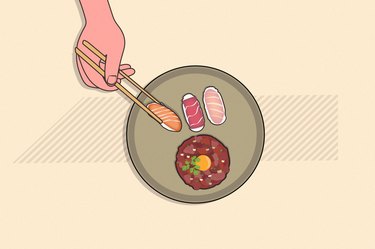
Both men and women over the age of 19 need at least 55 mcg of selenium every day. Food sources include fish, shellfish, chicken, garlic, whole grains, wheat germ and sunflower seeds. The amount of selenium found in these foods will depend on the level in the soil in which they were grown, or in the case of animal products, the level in the grains or plants the animals consumed. If you do not get enough selenium in your diet, your doctor may recommend that you take a supplement to compensate.

Deficiency and Overdose

A selenium deficiency may lead to poor hair growth, as well as heart disease and cancer. While it is rare for those who eat a balanced diet to become deficient in selenium, it is possible, especially if you smoke, drink alcohol, take birth control pills or have a malabsorption syndrome. On the other hand, if your blood contains too much selenium, it can lead to a condition called selenosis. The symptoms of this condition include hair loss, nail problems, nausea, irritability and fatigue. Work with your doctor to ensure that you have the right amount selenium in your diet to stay healthy and keep your hair growing strong.

References

Article reviewed by Jenna Marie Last updated on: May 24, 2011

Must see: Photo Galleries

Member Comments