Eat Better
Get Fit
Manage Weight
Live Well
More
Challenges
Topics A-Z
Category Directory
About Us
JOIN OUR NEWSLETTER
JOIN OUR NEWSLETTER
Cooking Beans and Legumes
Home
Nutrition
Cooking and Baking
Cooking Beans and Legumes
By
Andrea Jordan
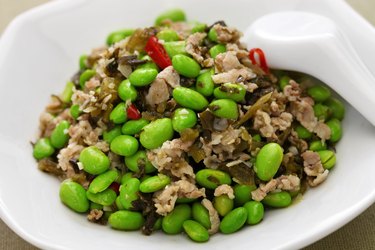
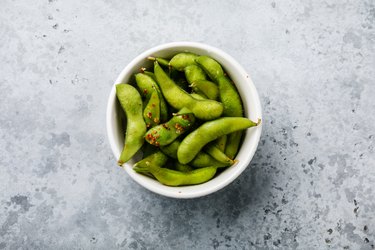
12 Edamame Recipes to Help You Eat More Plant Protein
Nutrition
By
Bojana Galic
Expert Reviewed
This One Trick Can Help Prevent Gas from Eating Beans
Nutrition
By
Bojana Galic
Expert Reviewed
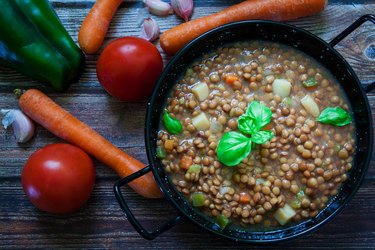
How to Know if Lentils Are Gluten-Free — and 3 Delicious Recipes to Try
Nutrition
By
Kelly Plowe
Expert Reviewed
11 Simple and Scrumptious Split Pea Recipes
Nutrition
By
Sarah Pflugradt
These 6 Chickpea Recipes Pack More Protein Than Chicken
Nutrition
By
Bojana Galic
5 Deliciously Easy Recipes to Make With All the Canned Beans You've Stocked
Nutrition
By
Lauren O'Connor
20 Comforting Lentil Recipes With More Protein Than Chicken
Nutrition
By
Frankie Smith
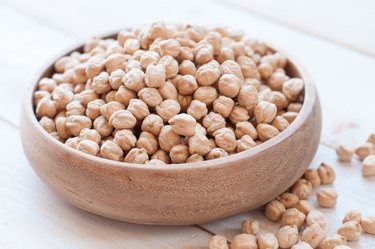
How to Freeze Cooked Chickpeas
Nutrition
By
Sirah Dubois
Should You Soak Raw Fresh Vegetables in Water?
Nutrition
By
Lisbeth Booth
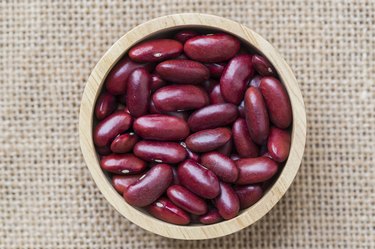
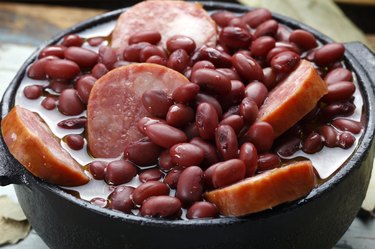
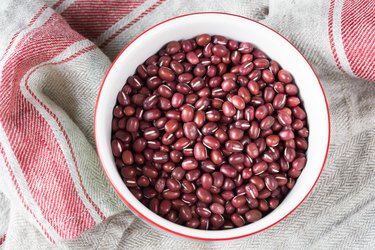
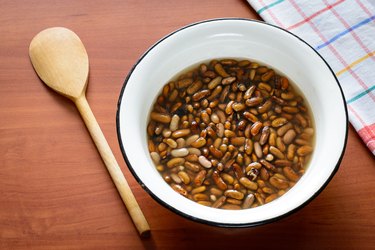
Soaking Red Beans Overnight in the Refrigerator
Nutrition
By
Jill Corleone
Expert Reviewed
What Are the Health Benefits of Toor Dal?
Nutrition
By
Gord Kerr
Expert Reviewed
Health Consequences of Too Many Lentils
Nutrition
By
Denise Schoonhoven
How to Cook English Shelling Peas
Nutrition
By
Nannette Richford
How to Cook Low-Fat Lentils in a Crock-Pot
Nutrition
By
Andrea Boldt
Expert Reviewed
Cooking Lentils in a Rice Steamer
Nutrition
By
Ann Jones
The Best Way to Cook Marrowfat Peas
Nutrition
By
Julie Christensen
What Can You Do if You Forget to Soak Kidney Beans Overnight?
Nutrition
By
Gord Kerr
Nutritional Facts of Mung Bean Noodles
Nutrition
By
Sharon Secor
Can Baking Soda Tenderize Dry Beans?
Nutrition
By
Fred Decker
How to Cook a Large Amount of Northern Beans in an Electric Roaster
Nutrition
By
Natalie Smith
How to Cook Snow Peas by Boiling Them
Nutrition
By
Abigail Adams
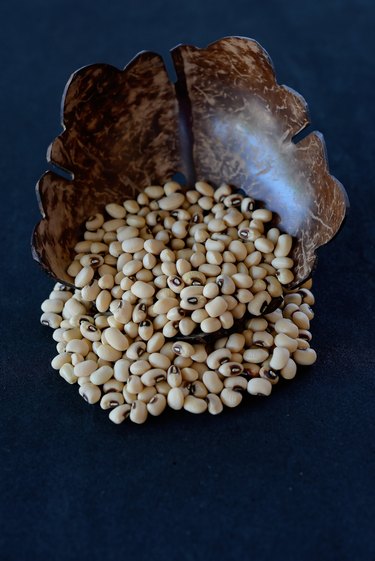
The Best Way to Cook Canned Black-Eyed Peas on Stove
Nutrition
By
Kim Joyce
How to Cook Pinto Beans That Don't Cause Gas
Nutrition
By
Jae Allen
Canned Peas Vs. Frozen Peas
Nutrition
By
Irena Eaves
How to Cook Large Lima Beans in a Crock Pot
Nutrition
By
Nicole LaMarco
Expert Reviewed
The Nutritional Value of Moong Dhal
Nutrition
By
Sommer Leigh
Can You Substitute Kidney Bean for Cannellini Bean?
Nutrition
By
Karen Gardner
Expert Reviewed
Myth of Lentils as an Incomplete Protein
Nutrition
By
Gord Kerr
Expert Reviewed
Red Kidney Beans Health Risk
Nutrition
By
Chris Callaway
How to Make Canned Peas Taste Good
Nutrition
By
Jon Williams
Are Kidney Beans Healthy for Kidneys?
Nutrition
By
Jan Annigan
The Glycemic Index of Refried Beans
Nutrition
By
Brian Willett
Fact Checked
The Nutritional Value of Purple Hull Peas
Nutrition
By
Kristin Dorman
How to Thicken Ham and Beans
Nutrition
By
Jackie Lohrey
How to Freeze Lentils
Nutrition
By
Joshua McCarron
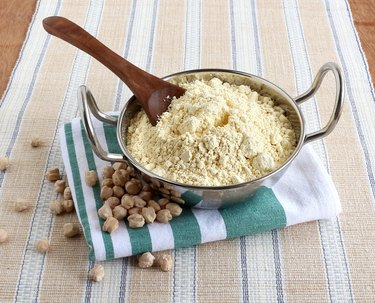
The Best Way to Grind Bean Flour
Nutrition
By
Diane Lynn
Expert Reviewed
Are Red Kidney Beans Toxic?
Nutrition
By
Lawrence Adams
Candida and Beans
Nutrition
By
Joanne Thomas and Kate Bratskeir
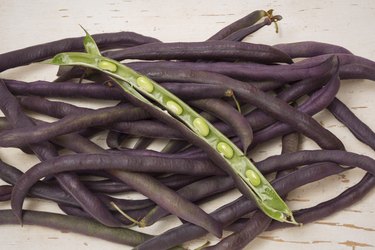
5 Tasty and Quick Ways to Cook Purple Beans
Nutrition
By
Brynne Chandler
How to Cook Crowder Peas
Nutrition
By
Brian Willett
Kidney Beans & Bodybuilding
Nutrition
By
Cecilia Harsch
How to Cook Lentils in a Pressure Cooker
Nutrition
By
Lacey Muinos
Expert Reviewed
Do Beans Count As a Vegetable Serving?
Nutrition
By
Owen Pearson
How to Cook Dried Bean Curd Sheets
Nutrition
By
Brynne Chandler
How to Fry Canned Beans
Nutrition
By
Carol Sarao
Do Canned Peas Have Any Nutritional Value at All?
Nutrition
By
A.J. Andrews
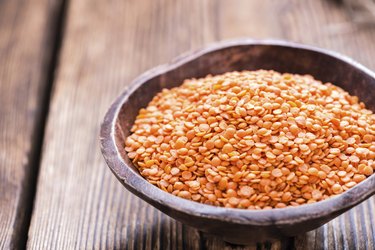
How to Cook Orange Lentils
Nutrition
By
Ramona French
How to Cook Peruano Beans
Nutrition
By
Karen Gardner
Expert Reviewed
List of Types of Beans You Can Eat
Nutrition
By
Gord Kerr
Expert Reviewed
Differences Between Soybeans and Edamame
Nutrition
By
Michelle Kerns
Expert Reviewed
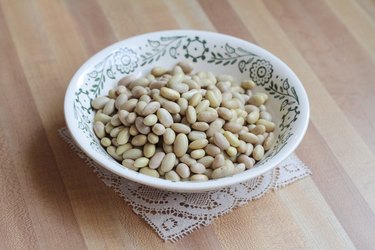
How to Cook Mayocoba Beans
Nutrition
By
Suzanne S. Wiley
How to Soak Chickpeas or Garbanzo Beans Before Cooking
Nutrition
By
Suzanne S. Wiley
Expert Reviewed
How to Cook Adzuki Beans
Nutrition
By
Dylan Roche
Expert Reviewed
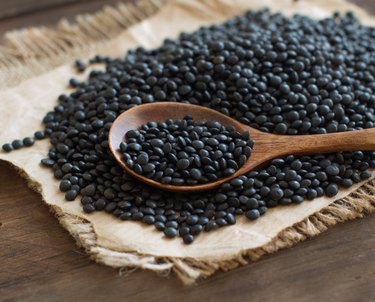
How to Cook Beluga Lentils
Nutrition
By
Leigh Good
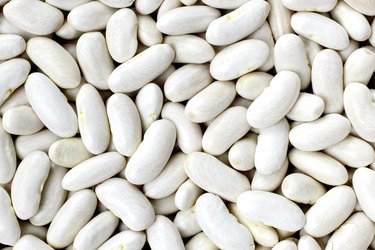
How to Cook Cannellini Beans
Nutrition
By
Michelle Kerns
Expert Reviewed
How to Cook or Prepare Dried Navy Beans
Nutrition
By
Lacey Muinos
Expert Reviewed
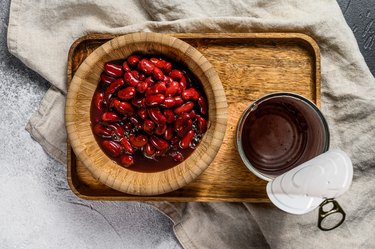
How to Prepare Canned Kidney Beans
Nutrition
By
Bojana Galic
Take Pinto Beans to the Next Level With These Add-Ins
Nutrition
By
Eric Mohrman
How to Cook Dry Beans in a Microwave
Nutrition
By
Kim Grundy, PT
Expert Reviewed
How to Cook Frozen String Beans in Boiling Water
Nutrition
By
Lacey Muinos
Expert Reviewed
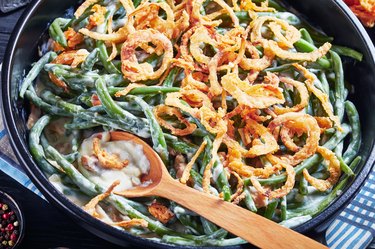
Make Ahead Green Bean Casserole
Nutrition
By
Dylan Roche
Expert Reviewed
How to Soak Beans for Chili
Nutrition
By
Dylan Roche
Expert Reviewed
How to Cook Chick Peas
Nutrition
By
Jessica Bruso
Can Lentils Make You Fat?
Nutrition
By
Susanna Kalnes
Expert Reviewed
How to Cook Urad Dal
Nutrition
By
Krista Sheehan
Expert Reviewed
How to Cook Old-Fashioned Dry Lima Beans
Nutrition
By
Barrett Barlowe
Difference Between Split Peas & Lentils
Nutrition
By
Matthew Lee
Difference Between Yellow Split Peas & Green Split Peas
Nutrition
By
Sharon Perkins
Dangers of Raw Red Kidney Beans
Nutrition
By
Robert Manning
What Is the Healthiest Bean to Eat?
Nutrition
By
Dylan Roche
Expert Reviewed
Benefits of Chickpeas
Nutrition
By
Anne Tourney
Nutritional Benefit of Soaking Beans Prior to Cooking
Nutrition
1
2
Next
Report an Issue
Contact*:
Severity*:
High
Normal
Low
Description*:
Screenshot loading...
Cancel
Submit