Potassium is needed for the normal functioning of your muscles, including your heart. But if your kidneys are not working properly, excessive amounts of potassium can build up in your blood, making it necessary to modify your diet to one containing low potassium foods.
Why Reduce Dietary Potassium
Video of the Day
Your kidneys have a role in maintaining your body's total potassium level by balancing potassium intake with potassium excretion. If the potassium you get from food or supplements is more than your kidneys can remove, too much potassium in your blood may be the result — a condition called hyperkalemia.
Video of the Day
An above-normal level of potassium can interfere with cellular signaling and lead to heart arrhythmias. Certain conditions may put you at risk for hyperkalemia, according to American Heart Association (AHA). Some common causes include:
- Poor kidney function
- Diabetes
- Congestive heart failure
- Medications that disrupt potassium balance, such as certain drugs to lower blood pressure or diuretics
- Severe infection
According to AHA, there are often no symptoms of hyperkalemia, but when there are, some of these may include:
- Nausea
- A slow, weak or irregular pulse
- Irritability
- Numbness or muscle weakness
- Diarrhea and abdominal cramping
- Sudden collapse due to reduced heartbeat
Reducing Your Potassium Level
Changes in your diet can help prevent and treat high potassium levels in your body. The recommended daily value (DV) for potassium for a healthy adult is 4,700 milligrams, according to Dietary Guidelines. A potassium-restricted diet is typically about 2,000 milligrams per day, says the National Kidney Foundation.
If you are on a low-potassium diet, it's important to eat a variety of foods from each of the food groups, but in moderation. Foods that are considered high-potassium foods are those that contain more than 200 milligrams per serving. Watch your portion size — a low-potassium food can become a high-potassium food if you eat too much.
Consult a dietician for advice specific to your individual condition to assess how much low-potassium foods you should include in your diet.
Low Potassium Fruits and Vegetables
Eating fruit that provides the least amount of potassium can play a role in getting your blood levels back to normal. According to USDA, good choices of low potassium fruits, with less than 200 milligrams — or 1 to 4 percent of the DV per common serving size — are:
- Limes, per fruit
- Berries, including blueberries, cranberries and raspberries, per cup
- Apples, fresh and dried, per cup
- Dates, per 3 dates
- Pears, fresh and dried, per cup
- Watermelon, per cup
- Grapes, per cup
- Pineapple, per cup
MedlinePlus suggests limiting or avoiding oranges and orange juice, nectarines, kiwifruit, bananas, cantaloupe, honeydew, prunes and nectarines. It's recommended that you don't use the liquid from canned fruits and vegetables.
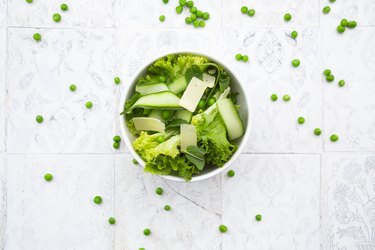
Many foods are in the low-potassium vegetables category. Boiling vegetables will reduce their potassium content, as some of the potassium leaks into the cooking water, advises the Renal Association. Common low-potassium vegetables that contain the least amount of potassium — less than 150 milligrams, or 1 to 3 percent of the DV per serving — according to USDA, are:
- Alfalfa sprouts, per cup
- Red, green leaf and iceberg lettuce, per cup, shredded
- Raw spinach and kale, per cup, chopped
- Cabbage, cooked and fresh, per cup
- Green bell peppers, per cup
- Cucumber, per cup
MedlinePlus recommends limiting or avoiding these high potassium foods: asparagus, potatoes and sweet potatoes, tomatoes or tomato sauce, winter squash, pumpkin and cooked spinach.
Low Potassium Meats and Fish
Some meat products containing 1 to 3 percent of the DV — or under 150 milligrams per common serving — according to USDA, are:
- Luncheon meats
- Leg of lamb
- Canned ham, canned beef
- Salami
- Canadian Bacon
Fish containing 1 to 3 percent of the DV for potassium — providing under 150 milligrams per serving — according to USDA, include:
- Smoked salmon
- Oysters
- Crab meat
- Canned shrimp
- Canned anchovies
- Perch, orange roughy
- Shrimp
Other Low Potassium Foods
The nuts and seeds group of foods offers some low-potassium choices, with macadamia, pecans and walnuts containing the least amount, according to USDA. Get your carbs with cooked rice noodles — they don't contain any potassium. Other foods in the grains group that only contain 1 percent of the DV are rice, cornmeal, couscous and whole wheat pasta, lists USDA.
Some dairy products do not contain any potassium. You can enjoy all the butter, most full-fat cheeses, whipped cream and sour cream you want. You should avoid milk because it delivers 14 to 16 percent DV, says USDA. Eggs only contain 1 percent of the DV so you can eat them in moderation.
You don't need to worry about using vegetable oil for cooking or drizzled on your low-potassium vegetables. Generally these oils contain zero potassium. Go ahead and flavor your food with spices and herbs — they will not affect your modified diet.
- American Heart Association: "Hyperkalemia (High Potassium)"
- MedlinePlus: "Potassium in Diet"
- Dietary Guidelines: "Daily Nutritional Goals for Age-Sex Groups Based on Dietary Reference Intakes and Dietary Guidelines Recommendations"
- National Kidney Foundation: "Potassium and Your CKD Diet"
- MyFoodData: "150 Fruits Lowest in Potassium"
- MedlinePlus: "High Potassium Level"
- Renal Association: "Lowering Your Potassium Levels"
- MyFoodData: "200 Vegetables Lowest in Potassium"
- MyFoodData: "122 Meats Lowest in Potassium"
- MyFoodData: "116 Fish Lowest in Potassium"
- MyFoodData: "61 Nuts and Seeds Lowest in Potassium"
- MyFoodData: "34 Grains and Pasta Lowest in Potassium"
- MyFoodData: "118 Dairy and Egg Products Lowest in Potassium"
- Drugs.com: "Potassium Content of Foods List"
- MyFoodData: "200 Foods Lowest in Potassium"