































































Silk is a brand of soy products, made with natural soybeans. Silk soy milk comes in several different varieties and flavors, including vanilla, chocolate, light, fiber, organic and omega-3-fortified. Soy milk is a lactose-free option for regular cow's milk and can be used for cooking, with cereal and coffee or by itself, just like regular milk. Cow's milk also comes in several varieties differing in the fat content and added vitamin content.
Calories and Fat
Silk soy milk and cow's milk differ slightly in their calorie and nutrient content. One cup of plain Silk soy milk contains 100 calories, 7 g of protein, 4 g of fat and 8 g of carbohydrate, according to the U.S. Department of Agriculture. One cup of 2-percent regular milk contains 122 calories, 8 g of protein, almost 5 g of fat and nearly 12 g of carbohydrate. Some of the fats in Silk are heart-healthy omega-3 fatty acids, while cow's milk contains mostly saturated fatty acids. Silk has no cholesterol, while 2-percent cow's milk contains 20 mg.
Vitamins
Both soy milk and regular cow's milk are a good source of some essential vitamins. Plain Silk soy milk contains 0.5 mg, or around 40 percent of your daily riboflavin requirement, while 2-percent cow's milk contains 0.45 mg, or 35 percent. Silk contains nearly 3 mcg, or 125 percent of vitamin B-12, while 2-percent milk contains only 1.3 mcg, or 54 percent. Silk also contains 500 IU, or around 20 percent, of vitamin A and 120 IU, or 60 percent, of your daily vitamin D requirement. While regular 2-percent milk is not a good source of vitamins A or D, you can find a vitamin fortified 2-percent milk that is. Vitamin-fortified cow's milk contains 464 IU vitamin A and 120 IU of vitamin D.
Minerals
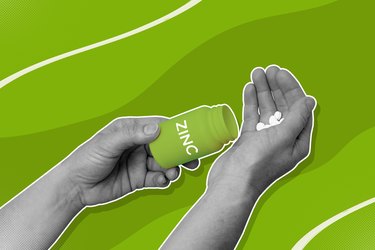
Silk soy milk and cow's milk also contain some essential minerals, including calcium, selenium and zinc. Silk soy milk contains 300 mg of calcium, 5.6 mcg selenium and 0.6 mg zinc in a cup. Vitamin-fortified 2-percent cow's milk contains 300 mg of calcium, 6.1 mcg selenium and 1.2 mg zinc. Silk soy milk also contains 39 mg magnesium and 1 mg of iron. The recommended dietary allowances for adults are 1,000 mg of calcium, 55 mcg of selenium, 8 to 11 mg of zinc and 320 to 420 mg of magnesium, according to the Council for Responsible Nutrition. RDA for iron is 8 mg for men and 18 mg for women.
Silk Almond Milk
Silk also produces an almond milk found in original, vanilla, dark chocolate and unsweetened varieties. The calorie content differs between 35 calories, 1 g of protein, 1 g of carbohydrate and 2.5 g of fat in the unsweetened, to 120 calories, 1 g of protein, 23 g of carbohydrate and 3 g of fat in the dark chocolate almond milk. Almond milks contain no saturated fats or cholesterol and are lactose-free. They also contain varying amounts of vitamins A, C, D, B-12, E and riboflavin, zinc, iron, magnesium, copper and manganese and calcium.


Member Comments