

























































Dopamine Deficiency & Anxiety

Dopamine Deficiency & Anxiety
Photo Credit Jupiterimages/Photos.com/Getty Images

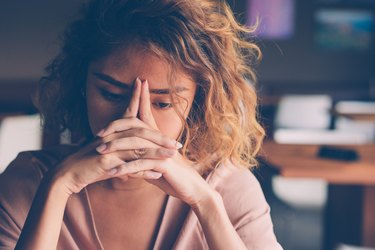
Dopamine is a neurotransmitter -- a chemical in your brain that affects various aspects of your mood and behavior. Specifically, dopamine influences the parts of your brain that control body movement, emotions and pleasure-seeking behavior, according to the University of Texas Addiction Science Research and Education Center. As such, it is related to various mood disorders, including anxiety. If you suffer from an anxiety disorder, particularly social anxiety, a low dopamine level may be implicated. Consult your doctor for more information.

Dopamine and Nutrition

Dopamine level seems to be related to nutrition. Caffeine, sugar and alcohol can all decrease your brain's dopamine activity, says The Franklin Institute. In contrast, foods that are rich in antioxidants, such as fruits and vegetables, are beneficial to dopamine because their nutrients protect the health of neurons in your brain that use dopamine. To increase your dopamine and potentially reduce anxiety symptoms, try reducing your intake of alcohol, sugar and caffeine, and eating more fruits and vegetables.

Dopamine and Medication

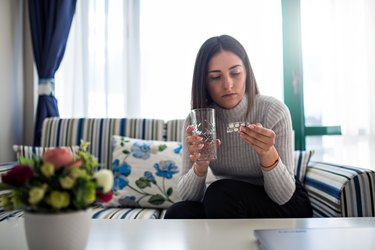
Dopamine can also be affected by particular medications. Many people with anxiety or other mood problems take prescription medication that increases their brain's dopamine production, thus relieving their debilitating symptoms. Of course, psychotropic medications do not work well for everyone, but may be helpful if you suffer from anxiety that interferes with your daily functioning or quality of life.

Other Considerations

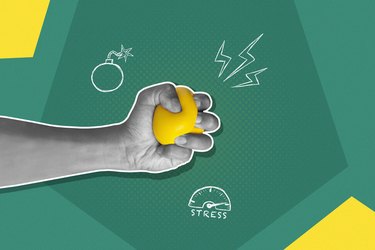
Factors other than dopamine deficiency can cause anxiety. In addition, other neurotransmitters, such as serotonin and norepinephrine, are also related to and responsible for emotions and mental health. When addressing your anxiety symptoms, consider a variety of factors that may be playing a role in your mood. Like other mood disorders, anxiety is often best treated by approaching the problem from multiple angles, targeting stress management and situational factors along with nutrition and neurological causes.

Cautions

If your anxiety is negatively affecting your life, don't try to self-treat your symptoms. Consult your physician or a mental health professional for a full evaluation of your functioning, circumstances and health. Only a physician can determine whether you need prescription medication to alter your dopamine -- or other neurotransmitter -- level. Your physician may also recommend psychotherapy or other interventions to help resolve your anxiety. Lastly, always seek help immediately if your symptoms are unmanageable or you feel the urge to harm yourself.

References

Article reviewed by Molly Solanki Last updated on: Jun 1, 2011

Must see: Photo Galleries