








































Cabbage & Cholesterol

Cabbage & Cholesterol
Photo Credit Brand X Pictures/Brand X Pictures/Getty Images

Foods rich in cholesterol, saturated fat and trans fat are harmful to your heart health. These foods raise blood cholesterol levels and increase your risk for heart disease. Individuals with high cholesterol are often advised to eat healthy vegetables, such as cabbage, which contain little to no saturated fat and cholesterol.

About Cholesterol

Fatty lipids that are naturally made by the body for normal cell function, cholesterol is carried through the bloodstream. Excessive cholesterol, however, can become lodged in artery walls, compromising blood flow. If the blood to the heart is blocked or impaired, heart disease can occur. The Centers for Disease Control and Prevention reports that heart disease is the number one killer of American men and women.

Diet and Cholesterol

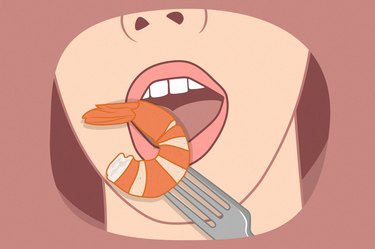
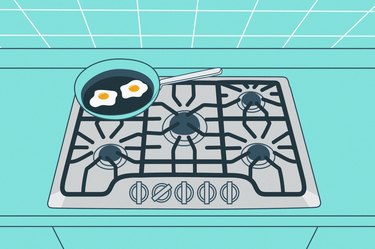
Cholesterol-rich foods come from animal products -- in particular, foods such as shrimp, egg yolk, whole milk and organ meats. Curbing cholesterol-rich foods is important, but foods with saturated fats are the key players in raising blood cholesterol levels. Saturated fats come mainly from animal products, especially animal fat and whole milk. Trans fats are foods with hydrogenated oils, such as crackers and stick margarine; limiting trans fat is also important in a low-cholesterol diet.

Cabbage and a Low-Cholesterol Diet

Cabbage contains no trans fat and, because it's not an animal product, no cholesterol either. It does, however, contain small amounts of saturated fatty acids. One cup of raw cabbage contains 0.024 g of saturated fat, a small amount compared to, for example, the 20.4 g in 1 cup of whole-milk ricotta cheese. Eating about three to five daily servings of vegetables such as cabbage is recommended in cholesterol-lowering diet programs. These foods provide beta-carotene, fiber and antioxidants such as vitamins C and E.

Diet and Lifestyle Goals to Lower Cholesterol

The National Institutes of Health recommends a cholesterol-lowering diet with less than 7 percent of calories from saturated fat. For a 2,000-calorie daily diet, this means limiting saturated fat to 8 g or less. Consuming less than 200 mg of cholesterol per day is also advised. They also recommend a diet rich in fiber, abundantly found in fruits, vegetables and whole grains. A lifestyle that incorporates regular doctor-approved exercise promotes weight loss and decreases heart disease risk.

References

Article reviewed by J.A. Rist Last updated on: Jun 2, 2011

Must see: Photo Galleries