




























































Vitamin D is nicknamed the sunshine vitamin since it can be made when your skin is exposed to sunlight. You can also get vitamin D through your diet and supplements. This important fat soluble vitamin is stored in your body and is essential for calcium absorption. Vitamin D plays a role in keeping your bones and teeth strong, as well as decreasing your risk for osteoporosis. Certain factors can inhibit your absorption of vitamin D. If your vitamin D levels continue to remain low, talk with your physician about problems with absorption.
Dosage
As an adult, you need 600 IU of vitamin D daily, which increases to 800 IU during your senior years, after age 70. If your supplement is weighed in micrograms, this equates to 15 mcg as an adult and 20 mcg after 70 years. It may be possible that you are absorbing your vitamin D supplement, but you may not be taking a large enough dose.
Best Time to Take Your Supplement
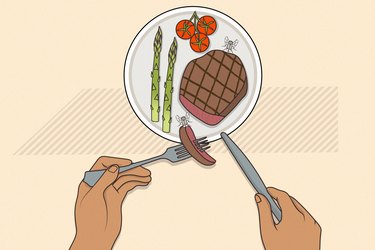
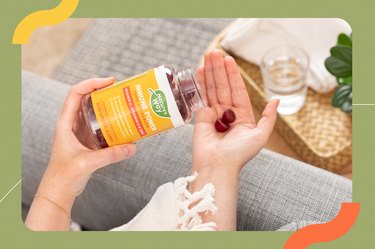
Since vitamin D is fat soluble, it must be taken with food containing fat in order to be broken down and absorbed. Taking your supplement on an empty stomach or swallowing it with only a piece of fruit, does not provide the fat your body needs to metabolize it. There is not a particular time of day that is best to take your vitamin D supplement, but taking it with a meal provides fat and can help you get into a routine so you remember to take it each day.
Type of Supplement
Your absorption problems may be related to the type of vitamin D supplement you take. In supplements and fortified foods, vitamin D is available as ergocalciferol, or D2 and cholecalciferol, or D3. Both of these forms of vitamin D are equally beneficial in your body and either form is equally absorbed. The only difference is that D2 is less potent in high doses, explains the Office of Dietary Supplements. If your doctor suggests taking a high dose of vitamin D, it may be more readily available in the D3 form.
Absorption Issues
If your body cannot properly breakdown fat, you won't be able to absorb fat soluble vitamins either. Having a fat malabsorption disorder, such as cholestatic liver disease, can inhibit your body's ability to utilize vitamin D, says the Linus Pauling Institute. Additionally, intestinal problems like irritable bowel syndrome or Crohn's disease, may inhibit your ability to absorb vitamin D.


Member Comments