










































The muscles, tendons and ligaments of your feet can degenerate and lead to flatfeet as you age. Untreated flatfeet may cause secondary problems such as overpronation, poor ankle alignment, altered running mechanics and ultimately ankle pain and injury. Treatment will not only have to address your current ankle pain and injury, but your flatfeet as well. Consult a podiatrist for a diagnosis and treatment plan.
Pes Planus
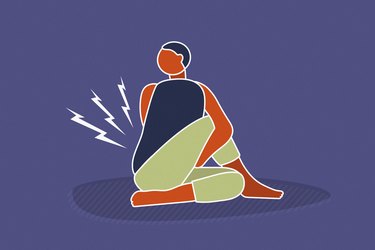
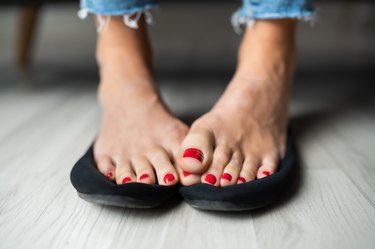
Pes planus is when your medial or inside arches are lower to the ground or flat and is also called flatfeet, fallen arches and acquired flat foot deformity. Flatfeet can be your natural foot type or it can develop overtime. The continuous wear and tear on your feet and arches throughout adulthood can cause soft tissue such as the posterior tibial tendon that supports your arch to degenerate. This is referred to as tibialis posterior dysfunction and leads to flatfeet and ankle pain, according to a 2004 "British Medical Journal" article. Overpronation is also associated with flatfeet, which causes the foot to collapse during activities like running, placing further stress on your ankle.
Causes and Risk Factors
An ankle sprain, tendinitis and arthritis can also cause ankle pain while running and may be unrelated to your flatfeet. Another possible cause of ankle pain is tarsal tunnel syndrome and is when your posterior tibial nerve in your ankle becomes impinged and inflamed. Although many believe flatfeet increases your risk of lower extremity injury including ankle injuries, a 2003 "British Journal of Sports Medicine" article found no link between flatfeet and injury. Additional risk factors may include your age and weight, a previous ankle injury, training level and diabetes.
Treatment
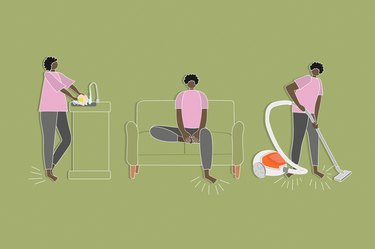
Stop running and avoid other painful activities until your ankle pain subsides. Ice your ankle several times a day in 20-minute increments. Wear a compression wrap and elevate your foot and ankle above your heart to reduce inflammation and swelling. To further relieve pain and inflammation, take over-the-counter pain medications such as acetaminophen. Your physician may immobilize your foot with a cast or walking boot to avoid additional pain, inflammation and injury. If you have lost ankle and foot flexibility and strength due to chronic ankle pain, consult a physical therapist about a rehabilitation program. In some severe cases, surgery may be necessary to repair your ankle and manage your symptoms.
Shoes and Orthotics
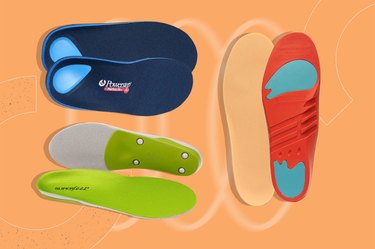
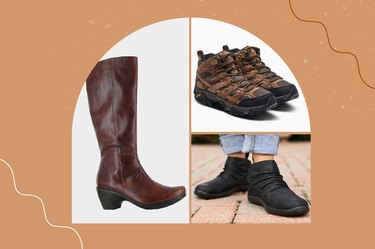
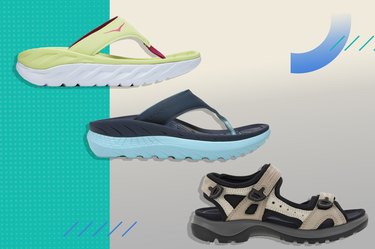
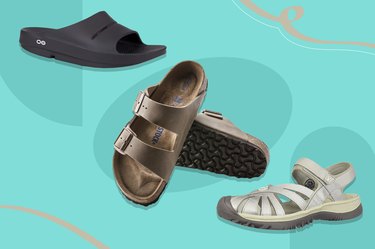
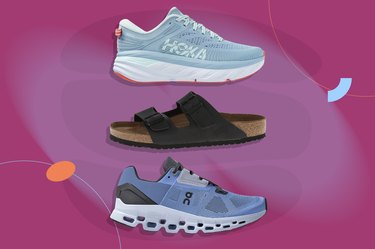
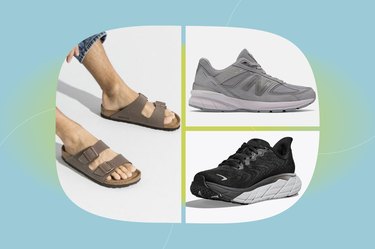
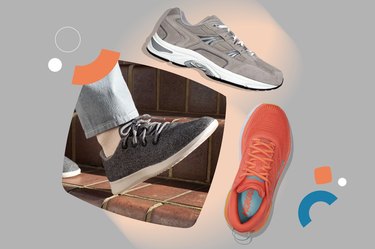
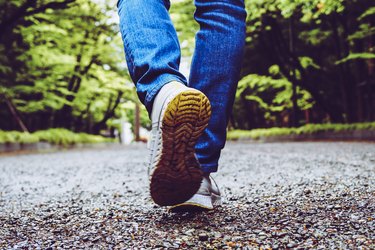
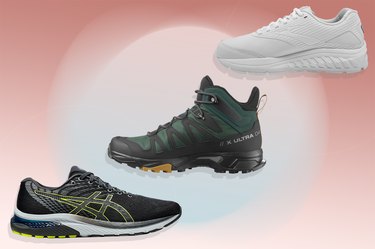
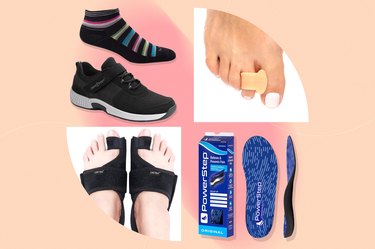
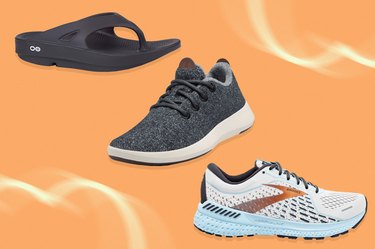
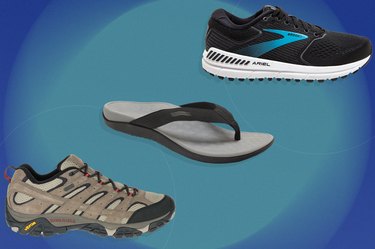
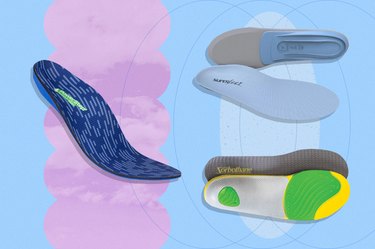
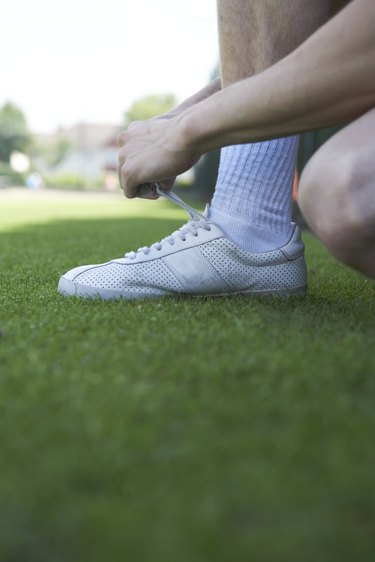
The most direct way to influence your foot health and function is with your shoes and orthotics. The American Academy of Podiatric Sports Medicine advises runners who are overpronators to wear running shoes classified as either "maximum stability" or "stability." These shoes include asics gel-fortitude and new balance 850, and they provide adequate arch support, cushion and help stabilize foot movements. Because shoes are not custom-made, orthotics can provide additional support that is specific to your needs. Semi-rigid orthotics are recommended because they support your arches, improve gait efficiency and prevent further deterioration of your arches, according to a 2004 article in the "British Medical Journal."
References
- "British Medical Journal"; Tibialis Posterior Dysfunction: A Common and Treatable Cause of Adult Acquired Flatfoot; Julie Kohls-Gatzoulis, et al.; December 2004
- American Academy of Podiatric Sports Medicine: Running Shoes By Level of Stability
- University of Maryland Medical Center; Pes Planus; 2009
- American College of Sports Medicine; Ankle Sprains and The Athlete; Victor Ibrahim, M.D., et al.
- American College of Foot and Ankle Surgeons; Tarsal Tunnel Syndrome; 2006
- "British Journal of Sports Medicine"; Risk Factors For Lower Extremity Injury: A Review of The Literature; D. F. Murphy, et al.; 2003


