





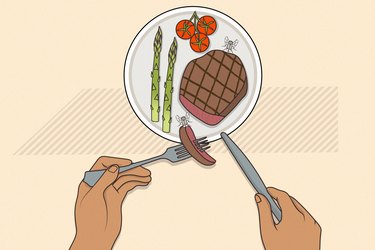
































































A plant-based diet focuses primarily on moving away from eating animal-based foods such as meat, eggs and milk, while moving towards eating more fruits, vegetables, legumes and grains. Eating a plant-based diet has ecological benefits and ethical advantages in addition to a long-list of improvements to your health. Discuss your dietary needs with your physician before beginning a new diet.
Cancer
Vegetarian diets are high in fiber, low in saturated and trans fats and typically include more fruit, vegetables and other cancer-preventing phytochemicals, which has been shown to reduce the risk of cancer. A study conducted by the Physicians Committee for Responsible Medicine, or PCRM, showed vegetarians to be 40 percent less likely to develop cancer than meat-eaters.
Heart Disease
Animal products are the only source of cholesterol and the top source of saturated fat, which is closely linked to heart disease. The high fiber content of plant foods helps to lower cholesterol, while animal products contain no fiber. Combining a vegetarian diet with exercise, smoking cessation, stress reduction and exercise may actually reverse reverse hardening of your arteries, according to PCRM.
Blood Pressure
Vegetables and fruits are high in potassium, which may be one of the reasons that a plant-based diet is linked to lower blood pressure, according to PCRM. More research is needed to determine how it works, but nutritionists have observed that switching to a vegetarian diet lowers your blood pressure.
Diabetes
A plant-based diet allows insulin to work more efficiently when combined with low-fat foods and exercise, helping to lower risks and even reversing symptoms of type 2 diabetes, per PCRM.
Eye Health
Antioxidants may help prevent cataracts and carotenoids may prevent retina deterioration, according to the United States Department of Agriculture's Research Service. Antioxidants and carotenoids are both prevalent in plant-based diets.
Kidney Stones
Calcium, oxalate and uric acid are excreted more by your body when you eat a high-protein diet, especially when the protein source is animal-based. Reduction of animal products in your diet is recommended by the American Academy of Family Physicians in order to prevent recurring kidney stones.
Gallstones
A meat-based diet may produce as much as double the risk of gallstone production in women, according to PCRM, due to higher cholesterol and fat in the diet.
Osteoperosis
High consumption of protein can force calcium out of your body, making meat-eating diets more likely to induce bone loss that leads to osteoporosis, according to PCRM.
Asthma
A study conducted by PCRM in 1985 showed asthmatics that ate a vegan diet for one year vastly improved their symptoms and lessened the need for medications. More research is needed to verify these results, but 22 out of 24 study participants reported marked improvement after eating a plant-based diet.
Psychological
Producing animal-based foods for human consumption may be cause for environmental and ethical concerns. According to the Worldwatch Institute, raising animals for food is responsible for deforestation, pollution, global warming and world hunger. Others, such as those in the Optimum Living Alliance, believe that killing animals is inhumane and cruel. Eating a vegetarian diet may provide you with peace of mind if you believe you are helping your global community in addition to doing what is best for your personal health.
References
- Physicians Committee for Responsible Medicine: Vegetarian Foods: Powerful for Health
- United States Department of Agriculture; "A Plant-Based Diet is a Healthy Choice"; Huawei Zeng; October 2006
- Worldwatch Institute: Is Meat Sustainable?
- Optimum Living Alliance: The Benefits of a Plant-Based Diet and Lifestyle


Member Comments