


































































Hyperactive children often have trouble sitting still, focusing and paying attention. They might be impulsive or aggressive, which makes it hard for them to interact with other children. Diagnosis and treatment are critical to helping children manage attention-deficit hyperactivity disorder. A growing body of research indicates that diet might play a role in hyperactive behavior.
Sugar
Sugar doesn't cause hyperactivity in children who don't have attention-deficit hyperactivity disorder, according to Karen Ansel, a New York registered dietitian. Kids might seem more excitable after a party where they had cake and ice cream, but that's probably because they're having fun and playing with other children. Unfortunately, too much sugar might cause problems for children with ADHD. Dr. William Sears, author of the "Family Nutrition Book," explains that these children tend to be especially sensitive to sugar. They seem to metabolize sugar differently. After a sugary meal, they may experience an increased output of the stress hormone cortisol. This can make them seem more energized and possibly aggressive.
Artificial Dyes and Additives
Although no studies show that food dyes and additives actually cause ADHD, some research has shown that food additives and preservatives might worsen hyperactive behaviors, according to Dr. John E. Huxsahl, a Mayo Clinic child psychologist. Additives that might worsen ADHD behaviors include sodium benzoate, FD&C Yellow No. 6, D&C Yellow No. 10, FD&C Yellow No. 5 and FD&C Red No.40. The U.S. Food and Drug Administration requires that manufacturers disclose the presence of FD&C Yellow No. 5 -- a dye that might be more likely to cause a reaction than others -- on food labels. Manufacturers aren't required to disclose other artificial colorings, though. Dr. Huxsahl cautions that most brightly colored foods have one or more artificial colors.
Fatty or Processed Meats and High-Fat Dairy
A Western diet -- high in processed meats, red meats and high-fat dairy products -- might increase a child's risk of developing ADHD, according to Wendy Oddy, leader of nutrition studies at Perth's Telethon Institute for Child Health Research. In a study published in the July 2011 "Journal of Attention Disorders," Oddy and her colleagues examined the diet of 1,800 14-year-olds and classified them as Western or healthy. They found that the adolescents eating a Western diet were two times as likely as those with a healthy diet -- high in fruits and vegetables and whole grains -- to receive an ADHD diagnosis. Oddy theorized that the Western diet might not provide all of the micronutrients necessary for optimal brain function. It also typically contains high levels of additives and dyes that might contribute to hyperactive behaviors.
Considerations
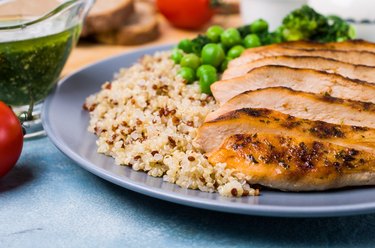
Huxsahl stresses that doctors need to do more research before they can make definitive guidelines on the right and wrong foods for kids with ADHD. A diet rich in fruits, vegetables and whole grains and low in sugar and processed foods benefits most children's health. Keep a food diary detailing the foods your child eats and their effects on his behavior. If specific foods seem to trigger ADHD symptoms, try eliminating them from his diet. Talk to your child's pediatrician or a registered dietitian first to make sure his diet remains balanced and healthy.
References
- Kids Eat Right; Sugar: Does It Really Cause Hyperactivity; Karen Ansel
- Mayo Clinic; ADHD diet: Do Food Additives Cause Hyperactivity?; John E. Huxsahl
- "Journal of Attention Disorders"; ADHD Is Associated With a "Western" Dietary Pattern in Adolescents; Amber Howard et. al; July 2011 vol. 15
- "The Lancet"; Effects of a Restricted Elimination Diet ... ; Lidy M Pelsser, et al.; February 2011
- AskDrSears.com: Harmful Effects of Excess Sugar
- Science Daily; Western Diet Link to ADHD, Australian Study Finds; July 29, 2010


Member Comments