




























































Delayed Hypoglycemia & Gastric Bypass

Delayed Hypoglycemia & Gastric Bypass
Photo Credit NA/Photos.com/Getty Images

Hypoglycemia or low blood sugar after gastric bypass surgery can cause mild to severe symptoms. Some patients experience it during or shortly after meals, a condition called early dumping syndrome. Others experience late or delayed hypoglycemia several hours after meals. Hyperinsulinemic hypoglycemia, a rare complication, occurs one to two years after successful surgery and appears to be related to an increase in insulin production. Treatment varies according to the cause, frequency and severity of symptoms.

Gastric Bypass

Patients lose weight rapidly after gastric bypass surgery because the procedure reduces the stomach to an egg-size pouch and reroutes the digestive system to block some calorie absorption. To facilitate and maintain weight loss, patients must make long-term dietary changes including increasing protein intake, avoiding sugary and fatty foods, and forgoing beverages containing caffeine, carbonation or alcohol, says Linda Aills, R.D., lead researcher in a study published in the September 2008 issue of "Surgery for Obesity and Related Diseases."

Late Dumping Syndrome

Dumping syndrome, a long-term complication of gastric bypass surgery, occurs in about 10 to 15 percent of gastric bypass patients, according to Allison Goldfine, M.D., lead researcher in a study published in the October 2006 issue of "Current Opinion in Endocrinology & Metabolism." Early dumping syndrome -- nausea, vomiting, gas, diarrhea and abdominal cramping during or shortly after a meal high in sugar -- results from undigested food emptying rapidly from the stomach into the intestine. Late dumping syndrome may occur up to two hours after eating, producing symptoms such as dizziness, weakness, sweating, palpitations and confusion related to hypoglycemia.

Hyperinsulinemic Hypoglycemia

While symptoms of dumping syndrome can occur shortly after surgery, post-bypass hyperinsulinemic hypoglycemia begins a year or two after the procedure. Symptoms caused by an increase in insulin secretion may include tremors, palpitations, sweating, hunger or anxiety, as well as more severe symptoms of fatigue, confusion, seizures and loss of consciousness, according to Dr. Goldfine. Attacks generally occur within one to three hours after meals and increase in frequency and severity as time goes on.

Medical Nutrition Therapy

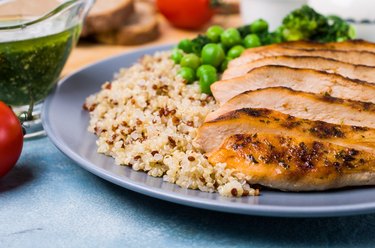
Treatment depends on the severity and frequency of the symptoms, according to Dr. Goldfine. The first step should be eating small, frequent meals to reduce insulin secretion. Eating complex carbohydrates such as vegetables and whole grains, as well as protein and fat at every meal, can slow the digestive process, reducing the symptoms of hypoglycemia. In severe cases, hospitalization and tube feedings can reverse the course of the condition, says Tracey McLaughlin, M.D., in a study published in the April 2010 issue of "The Journal of Clinical Endocrinology & Metabolism."

Surgical Therapy

Life-threatening cases of delayed hypoglycemia have been treated surgically by reversing the gastric bypass or removing part of the pancreas to inhibit insulin production. Even after partial pancreatectomy, however, some patients continue to experience hypoglycemic symptoms, so even a complete pancreatectomy may be required, according to Goldfine. Dr. McLaughlin, however, argues that the syndrome results from altered nutrition rather than pancreatic dysfunction, so gastrostomy feedings may be the better treatment.

References

Article reviewed by Greg Duran Last updated on: Jun 12, 2011

Must see: Photo Galleries

Member Comments