























































Why Does Vitamin K Clot Blood?

Why Does Vitamin K Clot Blood?
Photo Credit BananaStock/BananaStock/Getty Images

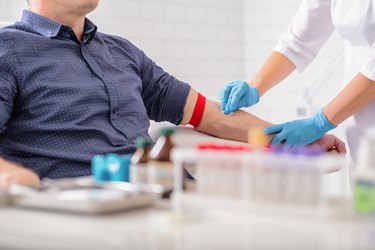
If you fall down and skin your knee, or if you cut your finger with a knife, your body has the ability to stop the bleeding by clotting your blood. It takes 13 proteins to clot your blood and your body uses vitamin K to make four of them. Without vitamin K, you could bleed to death.

The Clotting Cascade

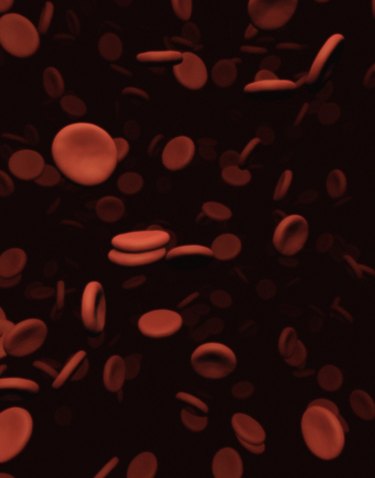
The clotting cascade is a series of events that take place in your body that allows your body to clot your blood. Vitamin K is essential in this process because it makes several coagulation factors that are important in the function of the clotting cascade. These factors are made in the liver and if there is a lack of vitamin K in the body or liver damage, you can bleed to death, according to Oregon State University.

RDA of Vitamin K

One way to ensure that you have enough vitamin K in your body is to eat a diet that contains the foods that meet the recommended dietary allowance or RDA. The current RDA for vitamin K is 120 micrograms for men and 90 micrograms for women per day. Your body makes some vitamin K on its own in your intestinal tract, but it is not enough to sustain optimal blood clotting function. Therefore, it is important to know what types of foods are good sources of vitamin K.

Food Sources

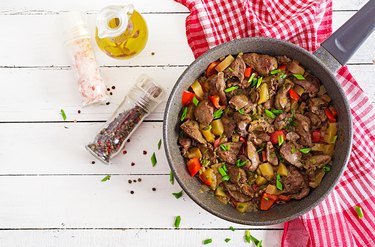
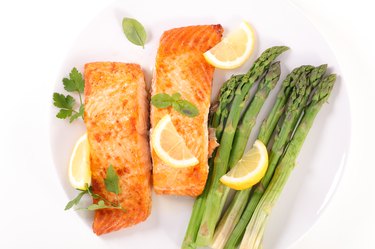
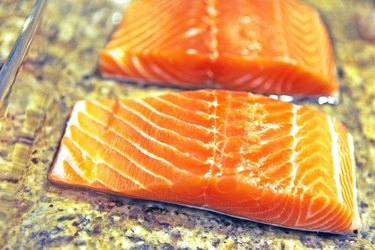
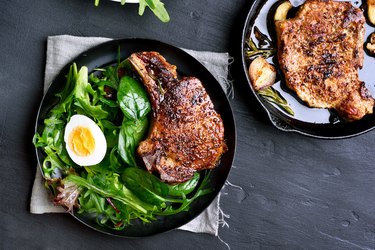
Vitamin K is found in certain foods such as green leafy vegetables, fish, liver, meat, eggs and cereals. Some additional sources include brussels sprouts, broccoli, cauliflower, cabbage, kale, spinach, turnip greens, collards, Swiss chard, mustard greens, parsley, romaine and green leaf lettuce. If you incorporate these foods into your daily diet, you will be able to ensure that you have an ample supply of vitamin K.

Considerations

Vitamin K is one of the 13 essential vitamins that your body must have each day. A balanced diet is the best way to get your daily RDA. If you are on blood-thinning medications, you need to talk with your doctor about your vitamin K intake. High doses of vitamin K can decrease the effectiveness of these medications. Therefore, it is important that you keep your vitamin K intake stable if you are under anti-coagulant or anti-platelet treatment.

References

Article reviewed by Helen Covington Last updated on: Jun 19, 2011

Must see: Photo Galleries