























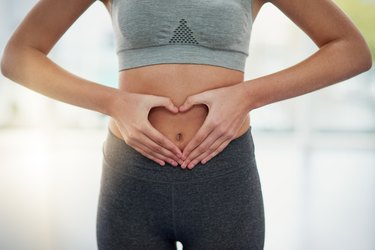












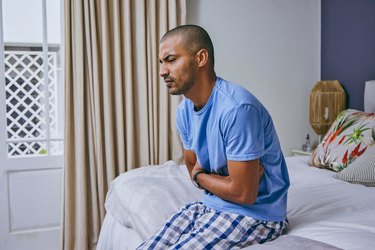








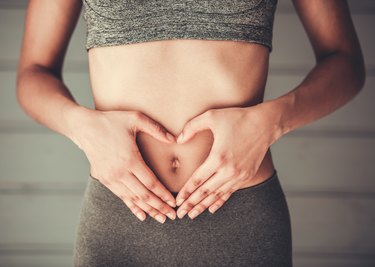






Often referred to as a stomachache, abdominal pain can occur anywhere in your midsection between your chest and groin, according to MedlinePlus. Excessive gas can cause severe abdominal pain, which usually is present in more than half of the belly region. Gas after eating is certain not anything life-threatening, though it can result in great discomfort.
Symptoms
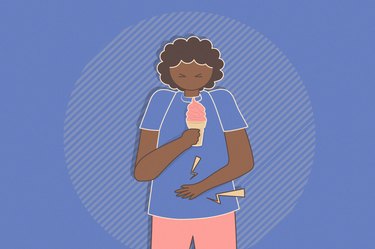
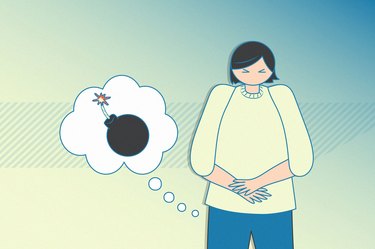
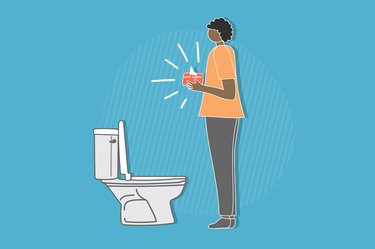
Symptoms of gas pain include cramps and bloating. As the pain progresses, you may develop diarrhea as your digestive system expels the gaseous waste. A hot feeling in your abdomen and an uncomfortable feeling of fullness may accompany the ache after your meal. The gas and bloating may begin even before you are finished eating.
Causes
Some of the most common causes of abdominal pains and excessive gas are eating too fast and too much. Air gets mixed in with the food and creates pockets of gas, while overeating bloats your stomach and places pressure on your digestive system. Spicy or fried foods may cause the discomfort or perhaps high-fiber foods. Drinking alcohol while eating can lead to gas and indigestion; nervousness or emotional stress also may play a role in how your food is digested.
Effects
Your body reacts many ways to excessive gas and the effects vary among individuals and particular sensitivities to certain foods, how much gas you produce and how many fatty acids your body absorbs, according to the National Institute of Diabetes and Digestive and Kidney Disorders. Common effects include belching and flatulence. Chronic belching may signal an upper gastrointestinal disorder such as peptic ulcer disease or perhaps GERD, gastroesophageal reflux disease. Flatulence usually is more embarrassing than anything, though very normal. Most people typically pass gas through the rectum 14 to 23 times daily.
Treatment
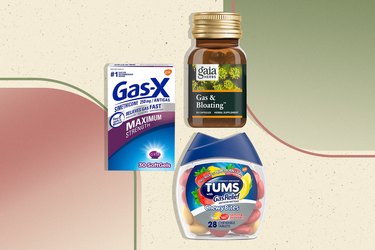
The primary treatment for excessive gas is to stop eating the foods that cause the discomfort. Usually limiting high-fat foods helps relieve abdominal pain because then your stomach can empty faster, allowing the excess gas to move quickly through your small intestine. Over-the-counter digestive aids may relieve the pain, helping you digest properly. Eating more slowly may help reduce the air you swallow and relieve some of the belching. If home remedies do not help, you should see your doctor because you may have irritable bowel syndrome, which can be treated with prescription medications.


