


































Does Iron Deficiency Cause Headaches?

Does Iron Deficiency Cause Headaches?
Photo Credit Comstock Images/Comstock/Getty Images

The World Health Organization lists iron deficiency as the number one deficiency worldwide, industrialized countries included. Associated symptoms depend on the degree of iron deficiency, and diagnosis ranges from depleted iron stores to full-fledged anemia. Headaches may be a sign of imbalanced nutrition, but are not necessarily associated with iron deficiency. If you have recurring headaches or suspect an iron deficiency, schedule an appointment with your doctor for proper screening and care.

Factors

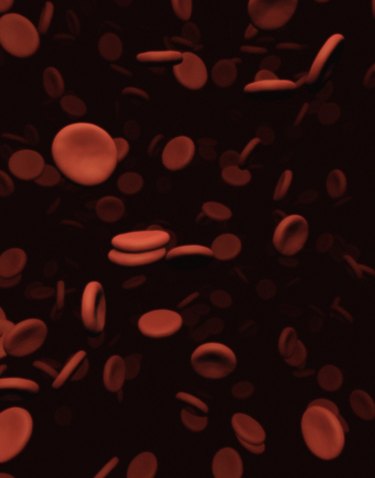
If your iron intake is low or your absorption of iron is inadequate, the initial stage of iron depletion is likely to go largely unnoticed. Your body initially uses stored iron to keep iron in your blood at normal levels. However, when iron stores are depleted, if you continue to take in or absorb too little, blood hemoglobin levels also drop, indicating iron deficiency anemia, according to the Office of Dietary Supplements.

Symptoms

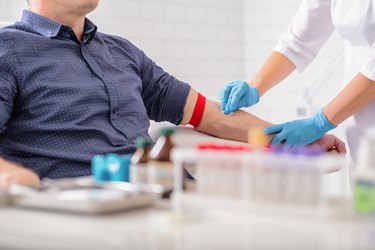
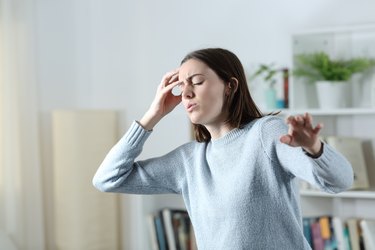
Common symptoms of iron deficiency anemia include fatigue, weakness, lower body temperature, decreased immunity and an inflamed tongue. MayoClinic.com also lists headaches, dizziness, shortness of breath and irritability as possible symptoms of anemia associated with iron deficiency. If you have headaches or other symptoms of iron deficiency or suspect that your headaches are connected with low iron intakes, your doctor can perform a hemoglobin or hematocrit test to check for a deficiency.

Other Potential Causes

If headaches are your only symptom, a different health issue may be the culprit. Headaches can be caused by tension, exertion, sinus infections, nitrates in processed meats, fasting, stress, monosodium glutamate or red wine, for example. If your diet severely restricts iron consumption or you have vitamin A deficiency, a gastrointestinal condition such as celiac disease or Chron's disease that inhibits iron absorption, additional symptoms of anemia or you're a woman who experiences heavy menstrual periods, a connection between headaches and iron deficiency is more likely.

Considerations

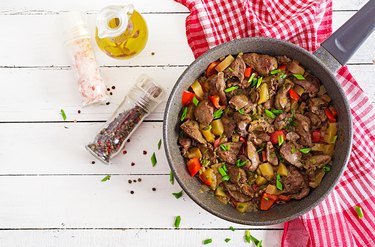
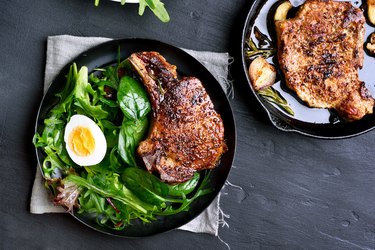
In healthy adults, the rate of dietary iron absorption is around 10 to 15 percent. Iron from animal-derived foods is better absorbed than the iron provided by plant foods, with an absorption rate of 15 to 35 percent compared to 2 to 20 percent. Vitamin C assists with the absorption of iron in plant-based foods. The recommended dietary allowance of iron is 8 mg daily for adult men of all ages and for adult women age 51 and over. From age 19 to 50, women need more iron, and the RDA is set at 18 mg daily, with the exception of pregnant and lactating women, who need 27 mg and 9 mg daily, respectively.

References

Article reviewed by Jenna Marie Last updated on: Jun 29, 2011

Must see: Photo Galleries

Member Comments