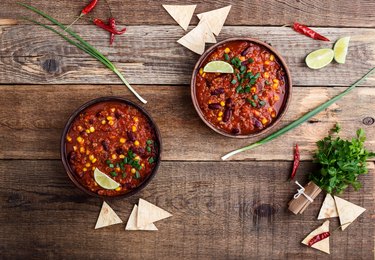
Beans are healthy foods containing various essential nutrients you need to consume on a daily basis. Unfortunately, many people avoid beans due to their side effects. After eating beans, stomach pain, bloating, gas and cramps may occur, as these plants are rich in fermentable carbohydrates.
Bean Nutrition Facts
Video of the Day
Beans are part of the legume family, which includes chickpeas, lentils and a variety of other foods. Commonly consumed beans include broad beans, soybeans, mung bean, green beans, kidney beans, lima beans, pinto beans and butter beans. Given the variety of beans you can choose from, there's a fair amount of variability in bean nutrition.
Video of the Day
All beans are good sources of protein compared to other plant-based products. Although they're known for their protein content, this macronutrient makes up just 20 to 45 percent of beans. Legumes are primarily carbohydrates, with as much as 60 percent carbohydrate content. However, this carbohydrate content includes soluble and insoluble fiber, which can make up as much as 37 percent of the bean.
With the exception of soybeans, beans are low in fat. Fortunately, their fat content is typically made up of healthy monounsaturated and polyunsaturated fats.
Beans are also known for being rich in micronutrients. They contain B-complex vitamins and a variety of minerals, including zinc, iron, calcium, selenium, phosphorus, copper, potassium, magnesium and chromium. They also contain a variety of beneficial bioactive compounds like phytochemicals and other antioxidants. You can even increase the nutritional value of beans further by consuming bean sprouts.
Toxins, Beans and Digestion Problems
Many people experience issues with beans and digestion. For some, this is due to natural toxins found in certain beans. Most of these toxins are only present when the beans are raw, and otherwise only affect people who consume beans in excessive amounts.
For example, kidney beans contain lectin, a mild toxin. If you haven't thoroughly cooked your kidney beans, you might find yourself with a variety of gastrointestinal problems, including stomachaches, nausea and vomiting. The next time you eat kidney beans and stomach cramps occur, consider how your food was prepared. Thoroughly cooked beans and precooked canned beans shouldn't give you any gut issues.
Other beans that contain lectins include broad beans and runner beans. Soybeans contain a different toxin, known as a trypsin inhibitor. As with lectins, the trypsin inhibitor in soybeans goes away when this food has been cooked thoroughly.
Carbohydrate Malabsorption and Bean Digestion
Most people experience bean digestion problems because of the type of carbohydrates these foods contain. According to a January 2015 study in the Food Research International Journal, beans contain two types of carbohydrates that might give you gut problems: indigestible starches and galacto-oligosaccharides. Both of these are types of fiber and function as prebiotics.
Prebiotics are generally healthy foods that support the activity and growth of your gut microbiome. They're notably able to help certain types of beneficial bacteria, like lactobacilli and bifidobacteria, proliferate within your gastrointestinal tract. The Food Research International Journal study reported that consumption of galacto-oligosaccharides can also increase calcium absorption, decrease inflammation and improve immune system function.
However, many people are sensitive to the consumption of fermentable carbohydrates. These people generally have to avoid consuming foods with fermentable oligosaccharides, disaccharides, monosaccharides and polyols. In certain cases, people might respond to just one type of fermentable carbohydrate. This is why you might eat beans and stomach pain occurs, but you're able to consume sweeteners like erythritol or xylitol, which are polyols, without issue.
People who struggle with bean digestion will typically struggle with almost every type of bean. Virtually all legumes are considered to be high in fermentable oligosaccharides. However, the amount of these fermentable carbohydrates does differ between beans.
A February 2017 study in the Journal of Gastroenterology and Hepatology reported that red kidney beans are extremely high in oligosaccharides, with about 1.9 grams of these types of carbohydrates in each standard 3-ounce (86-gram) serving. In contrast, canned butter beans have fairly low amounts of oligosaccharides (about 0.4 grams per serving).
However, canned lentils and red lentils were the only two legumes studied that could be considered truly low (categorized as 0.2 grams or less per serving) in fermentable carbohydrates.
Beans That Don't Cause Gas
Aside from canned lentils and red lentils, there are other beans that don't cause gas, stomach pain or other digestion-related side effects. The same study in the Journal of Gastroenterology and Hepatology found that bean sprouts have the least fermentable carbohydrates out of all bean and legume products. Beans sprouts are often just as rich in nutrients and beneficial bioactive compounds as are unsprouted bean products.
If you aren't interested in exclusively eating lentils and bean sprouts but do have issues with beans and digestion, there are other things you can do to minimize your gastrointestinal issues. If you're eating dried beans, soak them before cooking as an important first step in reducing their quantity of fermentable carbohydrates. Make sure you don't use this water to cook with; it needs to be discarded before you start cooking your beans.
According to a July 2014 study in the American Journal of Clinical Nutrition, this can help reduce the fermentable oligosaccharides in your beans by up to 76 percent. Cooking your beans in water with a more alkaline pH or fermenting your beans can help to reduce their oligosaccharide content even more.
If these strategies aren't helping your bean-related digestion issues, remember that beans can all be very different from one another. Unfortunately, this means that the effectiveness of these strategies will be different too.
A January 2019 study in the International Journal of Food Sciences and Nutrition found that soaking lentils and fava beans only helped reduce the oligosaccharide content by around 10 percent. In contrast, the oligosaccharide content in legumes like chickpeas was reduced by 40 percent. This means you may need to try eating different beans along with different oligosaccharide-reducing strategies before finding a type that won't cause you gastrointestinal issues.
- Functional Food - Improve Health Through Adequate Food: "The Role of Legumes in Human Nutrition"
- National Health Service: "Beans and Pulses in Your Diet"
- Food Research International: "Structural and Functional Characteristics of Dietary Fibre in Beans, Lentils, Peas and Chickpeas"
- International Journal of Food Sciences and Nutrition: "Soaking and Cooking Modify the Alpha-Galacto-Oligosaccharide and Dietary Fibre Content in Five Mediterranean Legumes"
- American Journal of Clinical Nutrition: "Nutritional and Health Benefits of Dried Beans"
- Chemistry Central Journal: "A Review of Phytochemistry, Metabolite Changes, and Medicinal Uses of the Common Food Mung Bean and Its Sprouts (Vigna Radiata)"
- Journal of Gastroenterology and Hepatology: "FODMAPs: Food Composition, Defining Cutoff Values and International Application"