









Alternatives to a Sleep Apnea Mask

Alternatives to a Sleep Apnea Mask
Photo Credit Image by Flickr.com, courtesy of ~+) Luis Barreto (Speculando / Photography

Sleep apnea is a disorder in which you have shallow breaths while sleeping or one or more pauses in breathing that can last anywhere from a few seconds to a few minutes, according to the National Heart Lung and Blood Institute. One treatment method is a sleep apnea mask or continuous positive airway pressure (CPAP), worn over your nose at night, delivering air pressure to keep air passages open, preventing snoring and apnea. Masks can cause discomfort, nasal congestion and headache which is why people seek out alternatives.

Lifestyle Changes

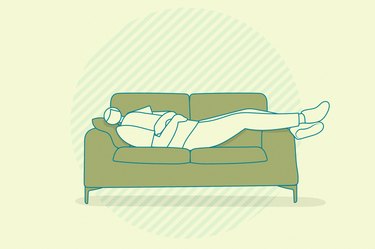
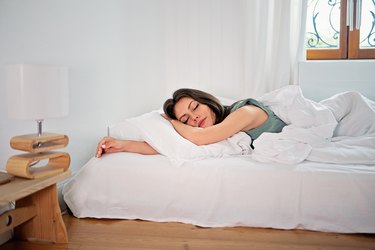
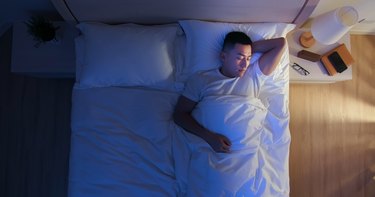
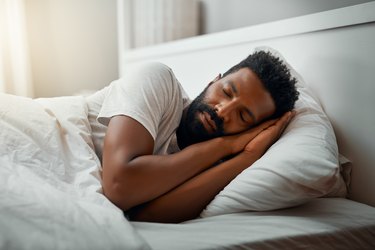
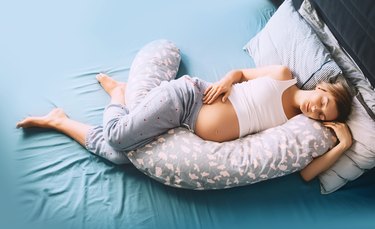
If you are overweight, just a small amount of weight loss can improve apnea symptoms. The Mayo Clinic states that fat deposits around your upper airway can obstruct your airway passage causing apnea. Avoiding alcohol and medications that make you sleepy, causing your throat to relax, making it harder to stay open while asleep can help with sleep apnea. Sleeping on your side instead of your back can keep your throat open, helping with sleep apnea.

Oral Appliances

Oral appliances are easier to use than sleep apnea masks and are made to keep your throat open while sleeping by bringing your jaw forward, which is helpful in stopping snoring and relief of mild sleep apnea. Your dentist can fit you with an oral device for your needs and reassess you at regular intervals to make sure the device is working, according to the Mayo Clinic.

Homeopathy

The University of Maryland Medical Center states that professional homeopaths can treat sleep apnea with such remedies as arsenicum album, lachesis, sambucus, spongia and sulphur. Arsenicum album is used for people whose apnea symptoms worsen at night, with symptoms of agitation, fear, restlessness, weakness and exhaustion. Sambucus is good for people who have difficulty breathing at night due to asthma or nasal obstruction. A homeopath will assess you to determine which treatment is best for your particular condition.

Medication

Medications can treat sleep apnea. Acetazolamide and clomipramine are drugs used to treat central sleep apnea and medroxyprogesterone, protriptyline or modafinil treat obstructive sleep apnea according to the University of Maryland Medical Center. Some of these drugs do have side effects and are commonly used in combination with the CPAP sleep apnea mask.

Surgery

If sleep apnea devices fail and drugs do not work, your doctor may recommend surgery as a treatment for your sleep apnea. Surgery removes excess tissue from nose and throat. This tissue vibrates and causes snoring or blocks your upper air passages, according to the Mayo Clinic. Uvulopalatopharyngoplasty (UPPP) involves removing tissue from rear of mouth, top of throat and removal of tonsils and adenoids which stops the vibration that causes snoring. Tissues from the back of the throat can also be removed with laser or radio-frequency ablation to treat snoring as well.

References

Last updated on: Aug 11, 2011

Must see: Photo Galleries