










































A high-fiber, low-calorie diet is one that consists mainly of plants. Plants are the only type of food that contains fiber, which means that your diet will largely be made up of fruits, vegetables, nuts, seeds and grains. Fortunately, many high-fiber foods, such as most fruits and vegetables, are also low in calories. Because everyone's calorie needs are different, you must construct your own meals based on foods tailored to your caloric requirements.
F-Plan Diet
The F-Plan diet was developed by Audrey Eyton in 1987. It works on the premise that a high-fiber diet will cause a longer feeling of satiety because of the body's inability to digest fiber. It also provides a high nutrient diet through eating large amounts of fruits, grains and vegetables. This diet promotes eating more than the recommended 20 to 30 g of fiber per day as most of your foods will be fibrous.
Typical Meals
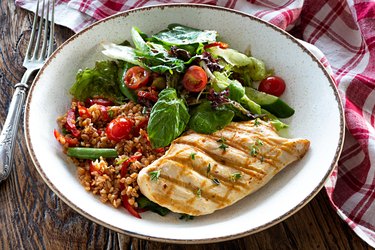
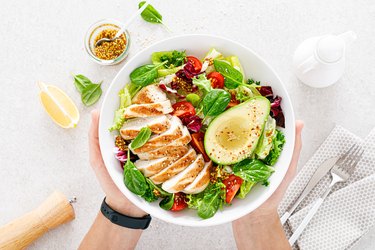
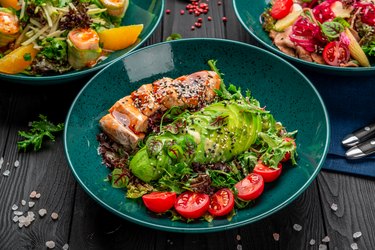
A typical day's meals could consist of a breakfast of a whole-grain cereal with low-fat milk and a piece of fruit. Lunch could be coleslaw with nuts and another piece of fruit, and dinner could be skinless chicken breast, a baked potato and leafy salad. Calorie-free drinks, tea and coffee are permitted. The F-Plan diet is not only a high-fiber diet but also low-calorie. If you are following this diet, aim for a daily calorie intake of around 1,250.
Vegetables and Grains
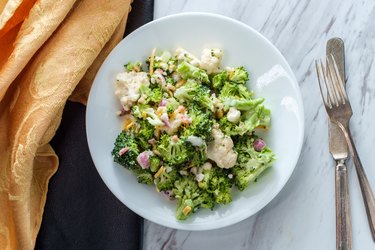
Include many vegetables and grains in your meals. Artichokes, broccoli, turnips, sweet corn and Brussels sprouts are all high in fiber. One medium artichoke generally contains 10 g of fiber, broccoli and turnips contain more than 5 g per cup, and sweet corn and Brussels sprouts contain more than 4 g per cup. Most vegetables are very low in calories. Vegetables such as broccoli contain around 24 calories per 100 g. If you want to eat low-calorie vegetables, be vigilant about how many starchy vegetables such as potatoes and sweet potatoes that you eat as these contain significantly more calories. Grain products such as barley, bran flakes, oatmeal, whole-grain bread and whole-grain pasta contain fiber. Whole-grain pasta and unprocessed grains such as oatmeal and barley are the highest in fiber content.
Fruits
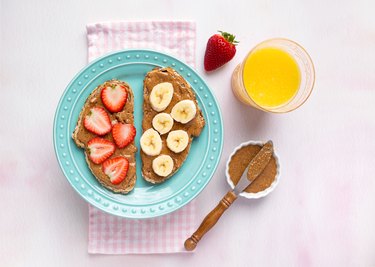
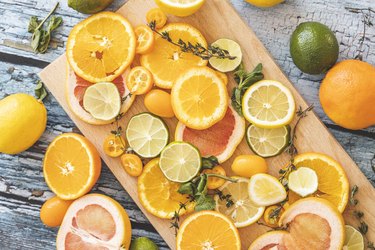
Fruits contain a high level of fiber. Some fruits are especially fibrous. One cup of raspberries, for example, has 8 g of fiber, one pear has 5.5, one apple has 4.4 and strawberries, bananas and oranges all have above 3 g of fiber. Most fruits are also low-calorie foods.
Legumes, Nuts and Seeds
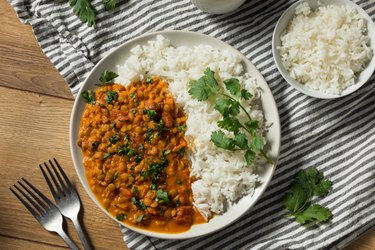
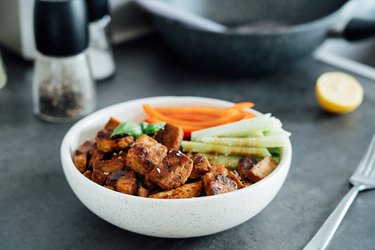
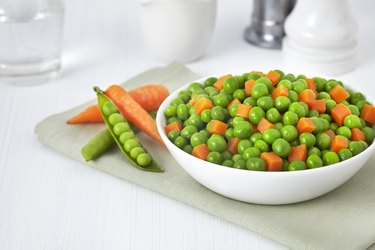
Include legumes, nuts and seeds in your diet, as these are highly fibrous. These include foods such as split peas, lentils, black and lima beans, sunflower and pumpkin seeds, and nuts such as almonds, pistachios, hazelnuts and Brazil nuts. Peas, beans and lentils have by far the most fiber of all of these foods. A cup of split peas, for example, has 16.3 g of fiber, and lentils and black beans have more than 15 g of fiber per cup. Nuts and seeds contain a lot of fat and are therefore high in calories. A 3.5-oz. serving almonds, for example, contains around 611 calories. Eat nuts in moderation, and always calculate the exact calorie content before you eat them.


Member Comments