Candida is a type of fungus that causes the candidiasis infection. Also called a yeast infection, candidiasis affects about 75 percent of women at some time in their lives. Candida is responsible for oral thrush infections in infants and is a common cause of fungal infections in people with weak immune systems. A candida diet eliminates certain foods in an attempt to keep the candida fungus from multiplying in excess.
Candida
Candida fungi naturally exist in your stomach, mouth and vagina. Although it seldom poses a problem, an overgrowth of candida can cause uncomfortable or painful symptoms that may include vaginal itching and discharge, as well as skin rashes, especially near your fingers, breasts and groin. Oral thrush can cause white patches inside the mouth on near the corners of your lips. Certain medications, such as birth control pills, antibiotics and corticosteroids, can increase your risk of developing candidiasis. Pregnancy and certain health conditions, such as bacterial infections and diabetes, can put you at greater risk of developing this fungal condition.
Diet
A candida diet focuses on consuming foods with a high probiotic content, such as yogurt and other fermented foods, including sauerkraut and kombucha. Probiotics are beneficial bacteria that may help prevent an overgrowth of candida, although the scientific evidence regarding this is mixed. According to the University of Maryland Medical Center, some studies indicate that restricting your sugar intake may help prevent candidiasis. A candida diet generally restricts processed foods and foods that contain high concentrations of yeast, such as cheese, peanuts and alcohol. Tomatoes are not usually included in the list of prohibited foods.
Tomatoes
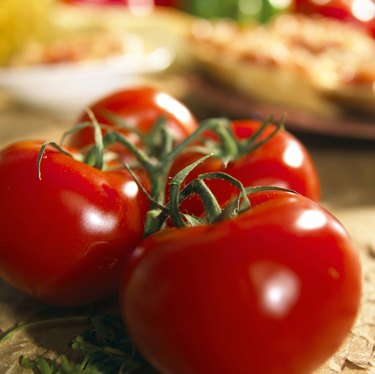
Tomatoes are nutritious fruits that contain numerous nutrients, including potassium, iron, zinc, vitamin C and beta-carotene. Tomatoes also include natural sugars in the form of glucose and fructose. An average tomato that measures about 3 inches in diameter has about 2.27 g of glucose and 2.49 g of fructose. Although tomatoes are sweeter than some garden vegetables, there is no evidence that eating them contributes to a candida infection.
Precautions
See your doctor if you think you have a yeast infection, especially if have a weakened immune system or if you take antibiotics. Avoid making extreme changes to your diet in an attempt to treat any medical condition, without first consulting your doctor or nutritionist.


Member Comments