























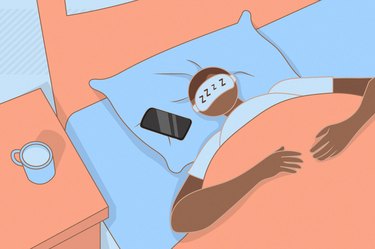






























Everyone suffers from occasional sleeplessness. However, if you suffer from insomnia, you have acute or chronic difficulties falling asleep or staying asleep. You may have tried numerous self-help techniques and perhaps even medications or herbal supplements to alleviate your symptoms. While a number of remedies may help, some research has shown that niacinamide supplementation may also provide benefits.
About Niacinamide
Niacinamide, also known as nicotinamide, is a form of vitamin B-3, also known as niacin. Niacin is found in dietary sources such as meat, yeast, beans and eggs. Your body converts the niacin found in dietary sources into niacinamide. Niacinamide supplements in the form of capsules and tablets are also commercially available. According to Medline Plus, niacinamide is often used to treat niacin deficiency, diabetes and two types of skin conditions. Sometimes, people use niacinamide to treat other conditions, like ADHD or migraines, but there's not much scientific evidence to prove its effectiveness. However, some research has shown that niacinamide supplementation may be a beneficial alternative treatment for patients suffering from insomnia.
Insomnia Facts
Insomnia affects your overall well-being and impacts your ability to function. According to the National Heart, Lung and Blood Institute, insomnia occurs in two forms -- acute and chronic. Chronic insomnia means you have difficulty falling asleep or staying asleep for at least three nights a week for a month or longer. In acute insomnia, you suffer from sleep problems, but for a lesser period of time. In either case, insomnia can cause symptoms such as fatigue, difficulty paying attention, feeling tired during the day and irritability. Insomnia is usually thought to be a secondary symptom of another underlying problem, such as anxiety, depression or another medical illness. Insomnia may be helped by medication, self-help, herbs and certain dietary supplements like niacinamide.
Clinical Evidence
A clinical review published in 2005 in the "Journal of Clinical Sleep Medicine" reports of a study where two female participants suffering from insomnia were given niacinamide supplementation over the course of 21 days. At the end of the study, these patients experienced an 79.5 percent increase in sleep efficiency. However, their symptoms returned once niacinamide supplementation stopped. A case report published by naturopathic doctor Jonathan Prousky in 2004 in the "Journal of Orthomolecular Health" states that a patient suffering from anxiety and anxiety-related insomnia experienced relief from his symptoms by taking niacinamide three times daily. Despite this promising evidence, further clinical studies are needed to fully evaluate the benefits of niacinamide for insomnia.
Considerations
While niacinamide supplementation may have a beneficial effect on insomnia, you should not rely on dietary supplements for long-term relief of your condition. Sometimes, insomnia can be a sign of another underlying medical disorder. Consult your doctor if you experience persistent symptoms of insomnia. Additionally, you should inform your doctor if you choose to use a niacinamide supplement.
References
- Medline Plus: Niacin and Niacinamide
- National Heart, Blood and Lung Institute: Sleep Insomnia, Lack of Sleep
- "Journal of Clinical Sleep Medicine"; Oral Nonprescription Treatment for Insomnia: An Evaluation of Products With Limited Evidence; A. Meoli, et al; 2005 (PDF)
- "Journal of Orthomolecular Medicine"; Niacinamide's Potent Role in Alleviating Anxiety with Its Benzodiazepine-like Properties: A Case Report; J. Prousky; 2004 (PDF)


