





























































The pituitary gland, located at the base of your skull, controls the hormones related to your childhood growth, urine production, temperature and thyroid activity. It secretes hormones involved in estrogen production in women and testosterone production in men. The pea-sized gland, situated between your optic nerves, is responsible for many autonomic body responses and is part of the endocrine system. When it is not functioning properly due to illness, stress, medication interaction or lack of nutrition, the pituitary gland produces excess hormonal chemicals that can lead to vision loss, high blood pressure, tumors and heart disease.
Symptoms
A wide range of symptoms may occur when you experience a pituitary gland disorder. Cushing's disease is a common side effect of pituitary gland malfunctioning and is characterized by excess fat accumulation in the face or abdomen. Diabetes, hypertension, thinning and bruising on your skin and osteoporosis also may occur. Other symptoms associated with endocrine system problems include eating disorders, mood swings, sexual dysfunction, headaches and unusual hair growth.
Potassium
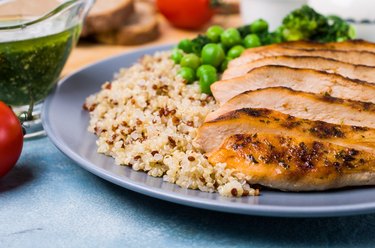
Pituitary gland disorders often occur as result of treatments for other conditions such as lupus, inflammatory bowel disease, rheumatoid arthritis and asthma. Steroids used to treat various illnesses can cause the pituitary gland to produced excess cortisol, which can lead to Cushing's disease. The excessive steroid use reduces the amount of potassium in your system, necessary for proper nerve conduction. Stopping the steroid use allows your body to return to normal potassium levels while you replace lost potassium with supplements or an increase in dietary sources. Buttermilk, yogurt, chicken, fish and tuna are effective sources of potassium. Other good foods that can help your pituitary gland remain healthy include bananas, apricots, raisins and avocados.
Calcium
Calcium is another nutrient vital for pituitary gland health. A healthy diet includes sufficient calcium in the form of dairy products such as milk, yogurt and cheese, dark green leafy vegetables and fortified foods such as orange juice and margarine. Because of the possible drug interactions that can take place while you're being treated for conditions affecting your pituitary glands, you should talk to your doctor before increasing the amount of calcium supplements you take.
Iodine
Iodine is a trace element that interacts with pituitary gland secretions to support healthy thyroid function. Iodine deficiencies can lead to an enlarged thyroid gland, also called goiter. Developmental disabilities, hypothyroidism and mental retardation also can result from an iodine deficiency. Iron deficiency is a major world health issue; about 30 percent of the world's population suffers from the condition. Iodized salt is one of the most common dietary sources of iodine. Seafood is an effective source of iodine. Many dairy products can help maintain your iodine levels for proper pituitary and thyroid functions because dairy cows are fed iodized salt in their feed. Navy beans, potatoes and seaweed also contain iodine.


Member Comments