





























































Aloe Vera Juice & Constipation in Children

Aloe Vera Juice & Constipation in Children
Photo Credit Ryan McVay/Photodisc/Getty Images

A constipated child is a cranky child, and chronic constipation can lead to painful anal fissures and impacted stool. Parents want to give their child the most gentle-sounding remedy available, and some people assume that aloe vera juice is a safe, all-natural laxative. While aloe vera juice is natural, it is not necessarily safe, especially for children. Your best bet is to ask for your doctor's treatment recommendation, which will depend upon the cause of the constipation.

About Constipation in Children

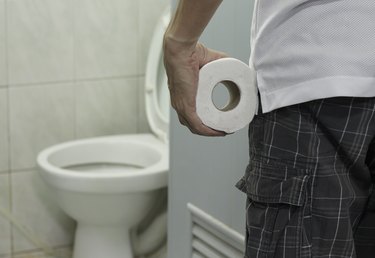
Constipation can occur in children as a result of potty training stress, medication or a low-fiber diet. You may notice a decrease in appetite, irritability and stool in the child's underwear, and the child may become nauseous and have a painful abdomen. Your doctor will recommend the appropriate remedy, either over-the-counter or prescription, but you should never give your child an enema or laxative unless your doctor specifically recommends it. While the laxative effects of aloe vera are scientifically proven, it's safety is still in question.

About Aloe Vera Juice

Aloe juice is not the same thing as aloe gel, the familiar sunburn soother. While aloe gel is made from the gooey inside of the fleshy leaves, aloe juice is made from the whole leaf and contains aloe latex, a thin layer between the outer skin and the inner flesh. Concerns over the long-term safety of aloe latex prompted the U.S. Food and Drug Administration to ban the use of aloe latex in over-the-counter laxative preparations in 2002. Although aloe latex is no longer an acceptable ingredient on its own, it is still present in juice made from the whole leaf.

Safety

Aloe vera juice is not recommended for constipation relief for anyone, but especially not for children. MayoClinic.com advises against using it in children simply because the safety hasn't been adequately studied, and there is some evidence that it may lower blood sugar levels. Aloe vera juice can partially paralyze the intestinal wall, making bowel movements more difficult, and may cause cramping and diarrhea in children under 12. Fortunately, other treatment options are available that are safer for children.

Alternatives

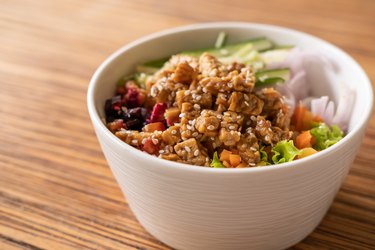
Your doctor will tell you what type of remedy to use. In some cases, a simple fiber supplement is all it takes, but a stool softener or laxative may be more effective in other cases. The University of Maryland Medical Center recommends senna and cascara stool softeners as an aloe alternative; they are related to aloe botanically, but they aren't associated with the negative health effects. Encouraging your child to eat more fruit and vegetables and drink more water can help prevent future occurrences. MayoClinic.com also recommends encouraging young children to sit on the toilet for up to 10 minutes after every meal to encourage regular bowel habits and discourage stool withholding.

References

Article reviewed by Holland Hammond Last updated on: Jul 11, 2011

Must see: Photo Galleries

Member Comments