
































































The effects of drug and alcohol-addicted parents can be far-reaching on their children, starting in the womb before birth and continuing long after the child has no contact with the parents. In addition to having a higher risk of drug and alcohol addiction themselves, the children's normal development is interrupted, which puts them at higher risk for physical, emotional and mental health problems.
Before Birth
According to the Hope Networks website, mothers who use cocaine while pregnant may cause their children to have problems in the classroom later on. These children are sometimes unable to block out distractions or concentrate for long periods of time. If the mother is a drinker and stopped during early pregnancy, her children are less effected by negative cognitive development in childhood, even if the mother resumes drinking after giving birth. The effects of drinking during pregnancy can be detected even with moderate levels of alcohol consumption in women not labeled as alcoholic.
Behavioral Effects
Alcohol and drug-addicted parents are more often involved in divorce, unemployment, domestic violence and legal problems, severely affecting their ability to be effective parents. A higher incidence of eating disorders, depression, anxiety and attempts at suicide exist among their children than in the general population. Physical and sexual abuse is more likely to happen in families where there is abuse of alcohol or drugs. Children from these homes are likely to have lower self-esteem and perceive themselves as unable to have control over their circumstances. Because of their stressors at home, children of substance abusers are more likely to experience problems in school, ranging from learning disabilities and failing grades to truancy and being expelled from school, notes the Center on Addiction and the Family.
Emotional Consequences
Children of addicted parents report more depression than children from non-addicted homes, adds the Center on Addiction and the Family. They are also more likely to have anxiety disorders or suffer from anxiety. They spend time feeling frightened, and may suffer from post-traumatic stress syndrome, including sleep disturbances and flashbacks. They not only worry about themselves, they worry that the parent may get sick or die due to continued drug abuse. They may avoid bringing friends home for fear they will see the parents drunk or high, and may actually experience being shunned by their peers whose parents have told them to stay away from children from troubled families. They may erroneously blame themselves for setting off a drinking episode in their parents.
What Can Help
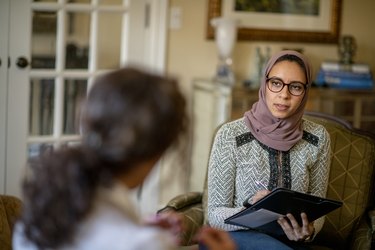
Children who are able to develop friendships and use friends as "buffers" to their situations do better. Sometimes these children are able channel their distress by taking on key positions at school and in extracurricular activities, which helps increase their self-esteem. If one parent is sober, that parent can help provide stability and nurturing for the child. Some practice "adaptive distancing," in which the child separates himself from the pull of the family problems and seeks fulfillment in other areas in life, such as school, friendships and relationships. Alateen is an organization for teenagers of parents with alcohol problems, a support group for young people much like the adult version called Al-Anon. Other strong positive adult role models can be helpful for children, whether it is a teacher at school, a counselor, a relative or family friend.


