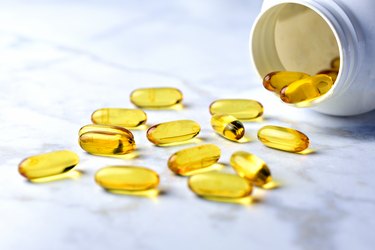
For some, seafood is a luxurious meal to be savored and enjoyed. For others, fish are to be avoided at all costs. The former are able to reap the health benefits that fish offer, while the latter needs a little help. Luckily, there are fish oil supplements that offer the omega fatty acids found in fatty fish. These omega fatty acids are good for your heart, brain, immune system and can benefit your health in a variety of ways.
What Is Fish Oil?
Video of the Day
The American Heart Association recommends consuming at least two 3.5-ounce servings of fish each week. However, if that doesn't seem reasonable to you, supplementing your diet with fish oil is an alternative way to obtain omega-3 fatty acids.
Video of the Day
The National Academy of Medicine sets the daily adequate intake (AI) of omega-3 fatty acids as 1.6 grams for adult men and 1.1 grams for adult women, while standard supplements typically contain around 1 gram of fish oil, with 120 milligram of EPA and 120 milligrams of DHA, the two types of omega-3 fatty acids.
Fish oil comes from marine animals and plants and contains omega fatty acids, polyunsaturated fatty acids that your body can't produce by itself. Fish oil usually comes in the form of a liquid or a capsule, but not all supplements are created equal—some focus on specific types of omega-3 fatty acids, like DHA (docosahexaenoic acid) and EPA (eicosapentaenoic acid). Others, like omega-3-6-9 pills, offer a wider range of fatty acids. Despite their similar names, these omega fatty acids typically come from different sources.
Fish oil supplements could help reduce the risk of certain diseases or health conditions, including relief from symptoms of rheumatoid arthritis or decreased levels of triglycerides. Other diseases that fish oil supplements purportedly help with, including heart disease, age-related macular degeneration and Alzheimer's disease or cognitive impairment, don't have enough research to back up the claims.
Read More: The 10 Best Supplements
The Need for Omega-3s
Fish oil pills are an easy way to supplement your diet with omega-3 fatty acids. A number of Americans that eat a standard western diet consume more omega-6 fatty acids than omega-3s, and having the wrong balance of omega fatty acids in your body can increase your risk of certain health problems. The wrong ratio of omega fatty acids in your diet can affect the function of your immune system and increase your chances of developing diseases like cancer and heart disease.
The main types of omega fatty acids are omega-3, omega-6 and omega-9. Omega-3 fatty acids are the most well-known, but omega-6 and omega-9 are important in the right ratios, too.
- Omega-3 fatty acids: Omega-3 fatty acids are essential, polyunsaturated fatty acids. There are three main types of Omega-3 fatty acids: α-linolenic acid (ALA), docosahexaenoic acid (DHA) and eicosapentaenoic acid (EPA). You can obtain DHA and EPA from foods like fatty fish and seaweed, but it's possible to obtain other omega-3 fatty acids, like alpha-linolenic acid (ALA), from fruits and vegetables. The Dietary Guidelines for Americans recommend a total of 1.1 to 1.6 grams of omega-3s each day.
- Omega-6 fatty acids: Omega-6 is an essential polyunsaturated fatty acid that comes from foods such as nuts, seeds and refined vegetable oils. Omega-6 fatty acids are important, particularly for your immune system and metabolism, but too much isn't a good thing—a specific ratio of omega-6 to omega-3 is necessary for good health.
- Omega-9 fatty acids: Omega-9 is a non-essential, monounsaturated fatty acid found in high amounts in nuts, seeds and vegetable oils. Humans are able to produce them, meaning that supplementing them is usually thought to be unnecessary. Even though omega-9 is considered non-essential, it's linked to reduced inflammation, improved insulin sensitivity and lower cholesterol.
Omega-3 fatty acids are the type of fatty acids you're most likely looking for in your fish oil supplements as their consumption has been associated with a variety of health benefits. DHA and EPA are only thought to be clinically useful in fairly high amounts, so most people taking fish oil supplements are looking to increase their levels of these particular fatty acids. Foods containing ALA can be processed into DHA and EPA—but only very small amounts are converted.
Marine animals and plants are well known for having high levels of omega-3 fatty acids. Fatty fish like salmon, herring, sardines, mackerel and trout, are particularly rich in omega-3s. According to the American Heart Association, you should eat a serving (3.5 ounces or about 100 grams) of fatty fish at least twice a week.
Read More: Make Your Heart Happy With Omega-3s
Recommended Fish Oil Dosage
Fish oil supplements are sold in a variety of types and dosages. Ultimately, you want to select your dose of fish oil based on the types and amounts of omega fatty acids the supplement contains, but be aware that these can differ substantially between manufacturers and products. You should talk with your doctor to determine how much omega-3s you should be supplementing in your diet.
The majority of fish oil supplements contain about 1,000 milligrams of fish oil, which has 180 milligrams of EPA and 120 milligrams of DHA. It is possible to purchase extra-strength fish oil supplements over the counter. These contain as much as 504 milligrams of EPA and 378 milligrams of DHA in each 1,400-milligram fish oil capsule.
In general, you should only consume 2 grams of omega-3 fatty acids from supplements, while the rest should come from your diet. Remember that you can obtain omega-3 fatty acids from plants in the form of ALA, so it's not only marine products that will have these healthy fats. If you consume marine plants, these can also provide you with certain omega-3s. The Office of Dietary Supplements recommends no more than 3 grams of combined EPA and DHA per day.
Although the recommended maximum amount of combined EPA and DHA is 3 grams, other authorities list the maximum dose as much more. The European Food Safety Authority recommends doses as high as 5 grams per day, and clinical trials have used doses of up to 15 grams per day. There isn't an official upper limit for fish oil supplements, but taking too much could have health risks.
Fish Oil Side Effects
Fish oil pills, especially when consumed in large doses, can have side effects. They tend to be fairly minor and usually occur because your body is unused to processing fatty fish oil or specific ingredients in the omega-3 capsules, such as gelatin.
The most common side effects of fish oil pills are "fishy breath" and indigestion, which can cause bloating, discomfort, diarrhea, cramps, heartburn and nausea. Because fish oil comes from natural marine sources, it's not really possible to take omega-3 fish oil without the fishy aftertaste. Even vegan omega-3 supplements are made from marine products, like seaweed or algae.
In high doses, omega-3 may lower the functionality of your immune system. It was also thought to increase the risk of bleeding by preventing clotting. However, according to a 2018 study in the Journal of Circulation, this may not be the case. Regardless, the doses that may cause these rare side effects are so high, there's no need to take them unless your doctor has recommended them.
The manufacturing of fish oil supplements can have an effect on your experience. The variety of ingredients can influence the severity of side effects and specific ingredients in capsules can even be the cause. For example, gelatin capsules have been associated with upper gastrointestinal tract symptoms such as burping and upset stomach. However, other types of fish oil pills, such as timed-release capsules, have been associated with lower digestive tract symptoms, like diarrhea and stomach cramps.
If fish oil supplements are giving you side effects like burping or heartburn, try switching the type of pills. Other ways to reduce gastrointestinal side effects include keeping your fish oil capsules in the freezer, taking them with meals or taking them before bed, when you're less likely to notice their symptoms. If you can't find a resolution to your side effects, don't be concerned—they won't have any negative long-term effects on your health and should go away after you stop taking the pills.
However, if you take other medications, talk to your doctor about whether it's OK to take fish oil supplements. According to the Mayo Clinic, fish oil can potentially interact with anticoagulant and anti-platelet drugs, blood pressure drugs, contraceptives and certain weight-loss drugs, such as orlistat.
Fish Oil in Your Diet
Ultimately, your body will be happiest if you eat a healthy, balanced diet. You should not rely on fish oil pills; instead, obtain your nutrients from a combination of foods and supplements. Given the ODS recommendation of consuming no more than 3 grams of combined EPA and DHA per day, with only 2 grams of omega-3 fatty acids coming from supplements, your diet should include foods rich in omega fatty acids, regardless of whether or not you're taking fish oil pills.
To increase the levels of omega-3 fatty acids in your diet, eat healthy marine products like fatty fish and fortified food products, like milk and eggs. Many foods contain ALA, which will be partially converted into DHA and EPA. The Dietary Guidelines for Americans currently state that a daily total of 1.1 to 1.6 grams of ALA are sufficient for good health. Use the USDA National Nutrient Database to identify foods rich in specific omega-3 fatty acids, like ALA, DHA and EPA.
- U.S. News: Fish Oil Supplements, EPA, DHA, and ALA: Does Your Omega-3 Source Matter?
- United States Department of Agriculture Agricultural Research Service National Nutrient Database for Standard Reference Legacy Release
- American Heart Association: Fish and Omega-3 Fatty Acids
- Annals of Clinical Psychiatry: Omega-3 Fatty Acids in Psychiatry: A Review
- Experimental Biology and Medicine: The importance of the omega-6/omega-3 fatty acid ratio in cardiovascular disease and other chronic diseases.
- American Journal of Clinical Nutrition: Efficacy of conjugated linoleic acid for reducing fat mass: a meta-analysis in humans.
- Journal of Diabetes: Monounsaturated fatty acid-enriched high-fat diets impede adipose NLRP3 inflammasome-mediated IL-1β secretion and insulin resistance despite obesity.
- American Journal of Clinical Nutrition: High-monounsaturated-fat diets for patients with diabetes mellitus: a meta-analysis.
- Mayo Clinic Proceedings: Omega-3 Fatty Acids for Cardioprotection
- Cochrane Database Systems Review: Omega 3 fatty acids (fish oil) for maintenance of remission in Crohn's disease.
- BMJ Postgraduate Medical Journal: Omega-3 fatty acids: a comprehensive review of their role in health and disease
- Solgar: Triple Strength Omega-3 Softgels-Pack of 50: Ingredients
- National Institute of Health: Omega-3 Fatty Acids Fact Sheet for Health Professionals
- American Journal of Clinical Nutrition: Omega-3 fatty acids in health and disease and in growth and development
- Mayo Clinic: Fish oil
- Food Chemistry: Nutritional evaluation of microalgae oils rich in omega-3 long chain polyunsaturated fatty acids as an alternative for fish oil.
- Food Chemistry: Southern Australian seaweeds: A promising resource for omega-3 fatty acids.
- Open Heart Journal: Importance of maintaining a low omega-6/omega-3 ratio for reducing inflammation.
- Oxidative Medicine and Cellular Longevity: Omega-9 Oleic Acid, the Main Compound of Olive Oil, Mitigates Inflammation during Experimental Sepsis.
- Journal of Circulation: Cardiovascular Qualitative Outcomes: Fish Oil and Perioperative Bleeding.
- Proceedings of Nutrition Society: Dietary fat composition: replacement of saturated fatty acids with PUFA as a public health strategy, with an emphasis on α-linolenic acid.
- Biomedicine and Pharmacotherapy: Dossier: Polyunsaturated Fatty Acids In Biology And Diseases The Importance Of The Ratio Of Omega-6/Omega-3 Essential Fatty Acids