



















































How Emotions Affect Food Choices

How Emotions Affect Food Choices
Photo Credit Hemera Technologies/Photos.com/Getty Images

If you find yourself craving a chocolate bar or reaching for a large bag of greasy, salty chips after a stressful day at work, you are not alone. The relationship between the foods you crave and your current emotions is a strong one, according to the authors of the book "Health Psychology." Whether you are dieting or looking to have more control over your food choices, understanding how emotions affect which foods you eat can help you make deliberate choices.

Research

An article published in the November-December 2002 issue of "Behavioural Processes" breaks down emotional eating into several theories. The psychosomatic theory supposes that obese people may eat to relieve anxiety and avoid feeling uncomfortable emotions, while the internal/external theory revolves around the supposition that people who struggle with their weight do not fully or correctly recognize normal hunger cues. The restraint hypothesis supposes that people who normally limit their food intake can overeat under stress, when drinking alcohol or while feeling like they have already eaten too much food.

Overeating

Emotional overeating is a common problem among adolescents and adults, according to MayoClinic.com. When you eat too much of certain foods such as cheesy pasta, chicken noodle soup or meatloaf, you may be seeking a comforting feeling, according to an article from Psych Central. Food can also serve as a temporary distraction from stress, boredom or uncomfortable emotional situations. When you eat based on emotional stress, you often feel unable to control the quantity of food you eat, resulting in feelings of guilt from overeating. You may then gain weight, and have a tendency to repeat the same emotional eating cycle when faced with similar emotions.

Eating Disorders

Emotions can play a role in people who have bulimia or anorexia. The American Psychiatric Association indicates that people with eating disorders often view food as the "enemy." That perception, coupled with low self-esteem, contributes to eating avoidance or purging behaviors. These behaviors are an unhealthy way to combat the range of emotions the anorexic or bulimic may feel.

Strategies

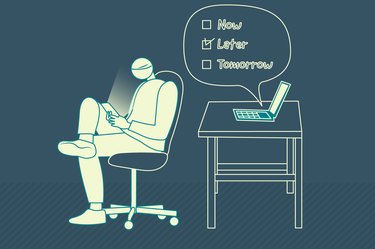
Eating based on emotions can lead to weight and health problems that make you feel out of control and may then cause you to eat more food, according to MayoClinic.com. A sensitive, trained weight-loss counselor can help you sort through your emotional eating patterns and give you techniques to combat emotional eating. If you suspect you have an eating disorder or you have been diagnosed with one, always follow your counselor and doctor's recommendations in terms of food choices and quantities. Strategies to help overcome emotional eating include journaling your emotions as you eat, training yourself to wait before consuming snack foods, learning to stop eating before you are overfull and identifying stressful situations that contribute to your tendency to overeat.

References

Article reviewed by S.C. Ville Last updated on: Jul 26, 2011

Must see: Photo Galleries