






























If you have the urge to urinate frequently, you experience pain during urination or you have the sensation of not completely emptying your bladder following urination, you may suffer from some form of bladder irritation. Bladder irritation can take the form of a urinary tract infection caused by bacteria in your urinary tract and bladder, or it can be caused by a condition known as interstitial cystitis, a functional disorder of the bladder that may affect up to 25 percent of women, along with some men. Bladder irritation also can result from bladder spasms. In all three cases, food allergies and dietary irritants may play a role; in some cases, eliminating these allergens from your diet may help you reduce or eliminate your bladder irritation.
Urinary Tract Infection
Bladder irritation caused by a urinary tract infection doesn't have a direct link to food allergies since bacteria causes those infections, according to the University of Maryland Medical Center; however, if you find you're suffering from frequent urinary tract infections, it might pay for you to consider food allergies or sensitivities as an underlying cause. Check specifically for sensitivities to gluten, a protein found in wheat, barley and rye, along with dairy, corn, food additives and food preservatives. Eliminating some or all of these from your diet may result in a decreased number of infections.
Interstitial Cystitis
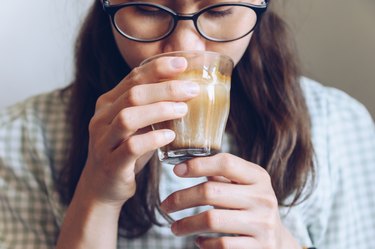
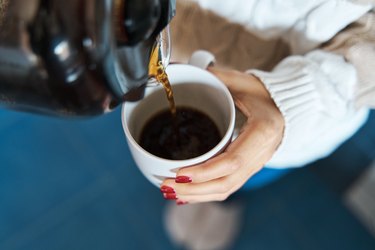
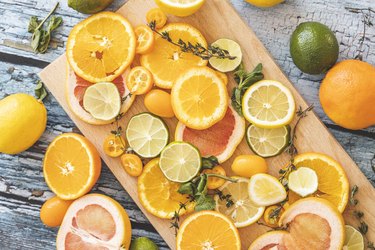
Interstitial cystitis, a condition involving inflammation in the lining of your bladder, causes chronic pelvic pain due to the irritated bladder and urinary system. It's often mistaken for other conditions, including endometriosis in women and prostate inflammation in men. If your doctor tells you that you suffer from interstitial cystitis, she may prescribe medications to help calm the inflammation; however, it's possible that avoiding certain allergenic foods can help you control your symptoms. Patients with interstitial cystitis sometimes find relief from their pain by eliminating coffee, citrus fruits such as oranges and lemons and tomatoes, although it's not clear why these foods bother those with the condition.
Bladder Spasms
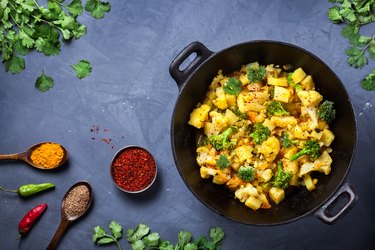
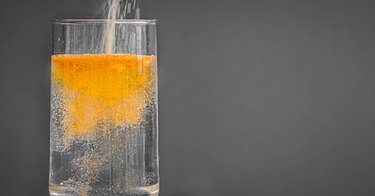
Bladder spasms, which result from random bladder contractions, can cause what's called urge incontinence: you urinate involuntarily because your bladder contracts. Bladder spasms are fairly common in women older than age 65 years, and in fact, most cases of incontinence in this age group involve these spasms. It's not clear why they occur, but people who have had strokes or other neurological problems tend to have bladder spasms more often; however, bladder irritation due to certain foods also can cause spasms. If that's the case for you, it may be possible for you to reduce or even eliminate your bladder spasms by cutting out the offending foods. You may have to try omitting several foods before you find the culprit. Start with spicy foods and drinks that contain caffeine. Also avoid alcohol and carbonated drinks. Fruits such as apples, oranges and cantaloupe also may play a role in bladder spasms.
Considerations
Before you begin to experiment with your diet to identify hidden food allergies and to eliminate those foods, you should see your doctor for a complete checkup and obtain a proper diagnosis for your bladder irritation. If your problem stems from an infection or from interstitial cystitis, prescription medications potentially can help you more than dietary measures to control your condition. If your doctor agrees that eliminating certain foods might help you, you should move slowly, eliminating only one food at a time to see the effect on your bladder irritation.
References
- University of California at San Diego Health System: Interstitial Cystitis Hypothetical Consultation
- University of Maryland Medical Center; Urinary Tract Infection in Women; June 13, 2010
- University of Texas-Southwestern Medical Center: Bladder Spasm
- University of Texas-Southwestern Medical Center: Bladder Irritants


