


























































How to Train for Marathons on a Gluten-Free Diet

How to Train for Marathons on a Gluten-Free Diet
Photo Credit Comstock/Comstock/Getty Images

A traditional nutrition plan for marathoners revolves around carbohydrates from sources such as pasta, noodles, rice, bread and cereals. All of these products, however, contain gluten, a protein found in wheat, barley and rye products that has been linked to gastrointestinal inflammation, complications and diseases. Endurance athletes, including marathoners, are discovering the health and performance benefits of eating gluten-free diets. Following a gluten-free diet requires more than simply removing gluten to ensure you consume the right amount of nutrients, vitamins and minerals to support healthy body functions.

Step 1

Substitute gluten-free foods or wheat alternatives for traditional wheat products. Gluten-free options include corn, rice, sorghum, quinoa and oats that can be used to make baked goods, gluten-free pasta or breakfast cereals.

Step 2

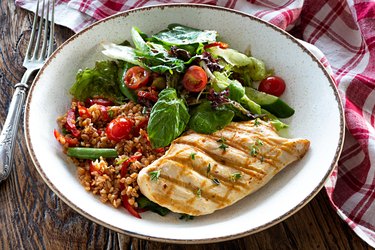
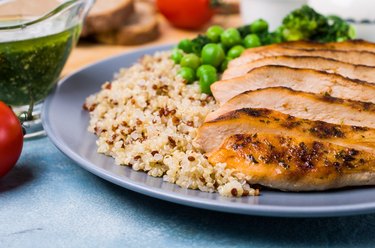
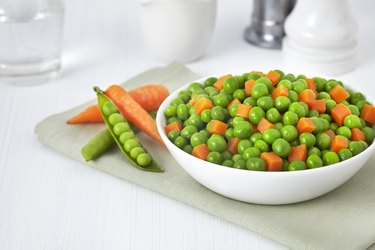
Take a balanced approach to nutrition that includes foods from every food group. Gluten-free options include fruits, vegetables, rice and potatoes for carbohydrates, dairy products such as milk and yogurt and fresh meats such as fish and poultry.

Step 3

Consume the right amount of carbohydrates to replace the gluten products. Removing gluten products such as pasta and cereals can cause a dramatic decrease to carbohydrate intake. Carbohydrates should provide about 50 to 60 percent total calories, with fat providing about 20 to 30 percent and protein providing 20 to 25 percent.

Step 4

Take a daily multivitamin supplement. Following a gluten-free diet can lead to nutrient deficiencies, as most grain products are enriched with vitamins and minerals. Nutrients of specific concern include iron, calcium, fiber and B vitamins.

Step 5

Follow a strict training schedule that includes a balance of running and strength training workouts. A gluten-free diet doesn't restrict your training frequency or intensity.

Step 6

Increase carbohydrate intake to 70 percent of your total calories about three days before the marathon. Decrease fat and protein intake to accommodate the additional carbohydrates and focus on eating complex carbohydrates from vegetables and gluten-free pasta.

References

Article reviewed by Julie Mendenhall Last updated on: Jul 28, 2011

Must see: Photo Galleries

Member Comments