




















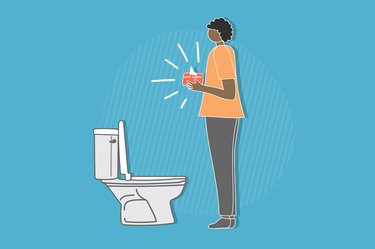













































Adequate daily fiber intake helps maintain digestive regularity and promotes cardiovascular health, but too much fiber may result in stomach cramps, diarrhea and excessive gas. If you're using fiber to treat constipation or another medical condition, talk with your doctor before use. Stomach cramps are a common side effect of suddenly increasing the amount of fiber in your diet, but should subside within a few days of consistently ingesting the same amount of fiber, according to MedlinePlus.
What is Fiber?
Fiber is the portion of plant-based foods that don't digest in the human body. Fiber is also known as roughage that adds bulk and helps move waste through your intestines, according to MayoClinic.com. Fiber is categorized as soluble and insoluble fiber. Soluble fiber absorbs water during digestion, creating a gel-like substance that can help lower cholesterol and soften the stool. Insoluble fiber does not absorb water during digestion and helps promote regularity by adding bulk to your stool, according to the Harvard School of Public Health. Fiber is mostly found in whole grains, fruits and vegetables.
Cramps From Fiber
Cramping that occurs from eating fiber is the result of increased gas and bloating. When you increase your fiber intake, the bacteria that interacts with the undigested portion of the food isn't accustomed to the amount of fiber. This causes the fiber to ferment in your colon, producing more gas vapors that can get stuck in digestive system, leading to bloating and cramping. Fiber also provides more roughage in your digestive system, which can move your stool along at a faster rate, causing cramps.
Overdose
If you're currently taking a fiber laxative, such as psyllium husk, cramping accompanied by vomiting, bloody stools, dizziness, diarrhea, flushing and shortness of breath may be a sign of an overdose. If you believe that you've overdosed on a fiber supplement, call poison control for further medical attention. You will be required to disclose your name, age, weight, when you consumed the supplement and how much of the fiber supplement you've taken.
Celiac Disease Consideration
Many fiber-rich grains contain gluten, which can trigger celiac disease symptoms. Gluten is a protein that can cause abdominal pain, vomiting, constipation, foul-smelling stools, weight loss and chronic diarrhea if you have celiac disease, according to the National Digestive Diseases Information Clearinghouse. If you have celiac disease, eating gluten will cause permanent harm to the lining of the intestines. The only treatment for this condition is to avoid all foods that contain gluten.


