













































The premise of food combining diets is that you focus more on what foods you are combining at each meal instead of on the amount of food you are eating. The advocates of food combining report that the benefits of such a diet include better digestion, weight loss and increased nutrient absorption, but some experts, including those at FamilyDoctor.org, question the success of food combining and consider it a "fad" diet.
Definition
On a food combining diet, you only eat certain food groups together at each meal. The advocates of this diet, including the developer of the food combining Hay diet, Dr. William Howard Hay, believe that only certain foods should be eaten together because different enzymes are needed to digest different foods; thus, foods are digested at varying rates. Specifically, some foods digest in acidic enzymes and some digest in alkaline environments; therefore, when both types of foods are eaten and both types of enzymes are released into the stomach, the stomach environment neutralizes. In a neutral environment, digestion slows, causing gas and indigestion. For example, since protein takes longer to digest than starch, eating protein with a starch will cause the starch to sit in the stomach longer, and indigestion and gas could occur.
The Rules of Food Combining
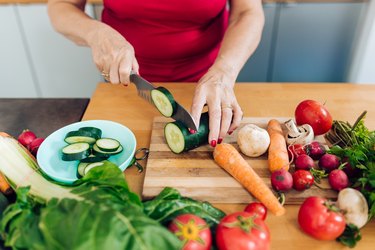
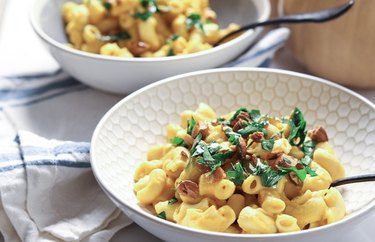
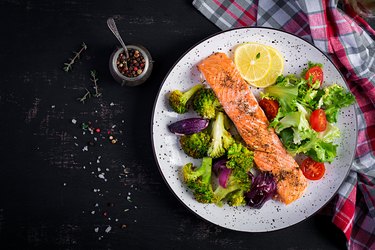
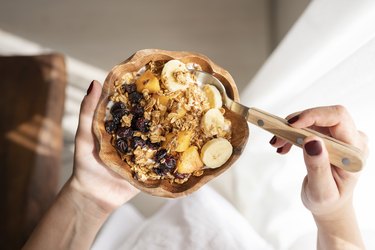
On most food combining diets, a meal consists of either vegetables with starches, or non-starchy vegetables with proteins. However, you should not eat proteins and starches and other carbohydrate-rich foods together. Avoid combining fruits and dairy with proteins and starches as well. Fruit is usually eaten alone on a food combining diet. All foods are allowed in a food combing diet -- you just cannot eat certain foods at the same time.
Chances of Success
You might successfully lose weight while on a food combining diet; however, your weight loss is mostly due to a decrease in calories and not what foods you are eating together. You will naturally eat fewer calories if you avoid eating proteins and starches together. If you only eat a steak, instead of a steak and a potato, you are eating less food and fewer calories. This diet also advocates a high vegetable intake, which promotes weight loss as well. According the Merck Manual Home Health Handbook, little scientific evidence exists to indicate that food combining improves weight loss or significantly aids in the other health claims.
The Real Key to Success
One of the biggest keys to success is finding a diet you can continue for the long term. The fact that a food combining diet allows all foods might make following this diet somewhat easier; however, limiting what foods you eat together might also limit your ability to eat your favorite foods and recipes. This issue could make sticking with the food combining diet difficult in the long term.


Member Comments