




















































After menopause, your body's need for iron declines because you no longer need to replace lost iron from monthly menstruation. Your post-menopausal iron requirements depend on your diet and health history. Consult your nutritionally oriented health care professional to determine optimal iron levels to avoid health complications from too little or too much iron.
Oxidative Stress
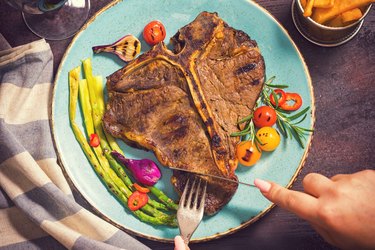
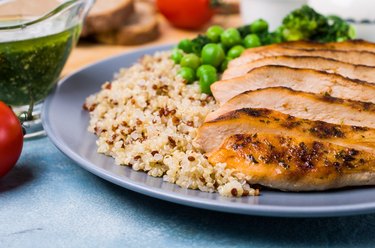
Some experts recommend an iron intake for post-menopausal women of 9 mg per day, about half the daily recommended allowance for pre-menopausal women. Too much iron through supplementation or diet can lead to increased risk for cardiovascular disease by promoting free radical production, which causes oxidative stress, notes Marianne Legato, M.D., co-author of the book "What Women Need to Know." High iron levels may also increase levels of low-density lipoprotein, LDL, the bad form of cholesterol. Post-menopausal women who eat diets high in red meat and fortified cereals may be increasing their iron stores beyond a safe level.
Vegetarian Diet
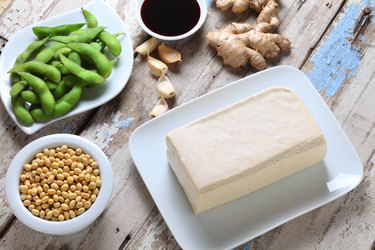
If you are a vegetarian woman who is post-menopausal, your iron intake should be about 1.8 times that of your meat-eating counterparts due to the lower absorbability of iron from vegetarian sources, reports Sharon Rady Rolfes, author of the book "Understanding Normal and Clinical Nutrition." A strict vegetarian should plan on getting about 16 mg of iron per day from vegetarian sources. Also, certain foods such as leavened breads and the fermented soy products miso and tempeh can interfere with iron absorption. Limit your intake of these foods, or if you eat them regularly, take that into consideration when calculating your dietary iron intake.
Anemia
In spite of the decreased requirement for iron, some post-menopausal women show signs of iron-deficiency anemia, according to a study published in the April 2011 issue of the "Journal of the American Dietetic Association." The study, part of the Women's Health Initiative, a long-term study of women's health issues conducted by the National Institutes of Health, included more than 93,000 post-menopausal women ages 50 to 79. Results revealed that 5.5 percent of participants were deficient in nutrients associated with anemia, including folic acid, vitamin B-12, vitamin C and iron. Those with at least three detectable deficiencies had a 44 percent increased risk for anemia.
Cancer
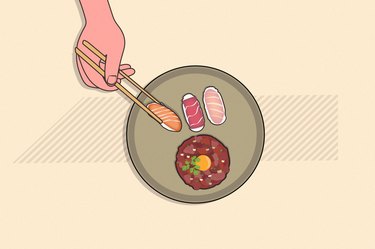
Another reason to monitor your iron levels after menopause is increased risk of certain types of cancer. A study of nearly 3,500 Chinese women published in the January 2008 issue of the journal "Breast Cancer Research and Treatment" found that high intake of animal-derived iron increased breast cancer risk. A similar increase in beast cancer risk from high animal iron sources for pre-menopausal women was observed in the study.
References
- "What Women Need to Know"; Marianne Legato; 2005
- "Understanding Normal and Clinical Nutrition"; Sharon Rady Rolfes; 2008
- "Journal of the American Dietetic Association"; Nutrient Intake and Anemia Risk in the Women's Health Initiative Observational Study; C. Thomson, et al.; April 2011
- "Breast Cancer Research and Treatment"; Dietary Animal-derived Iron and Fat Intake and Breast Cancer Risk in the Shanghai Breast Cancer Study; A. Kallianpur, et al.; January 2008


