













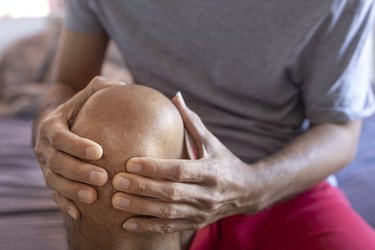



















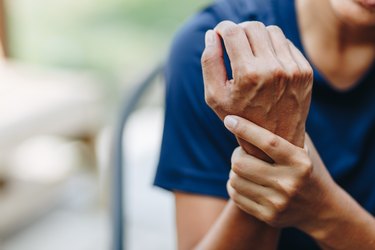





















Caffeine is a stimulant that occurs naturally in coffee and tea and is added to sodas, sport beverage and diet drinks to add a jolt of alertness and energy. Caffeine may help relieve joint pain during exercise and can help bolster the effects of over-the-counter pain relievers taken to ease the pain of joint strain or arthritis. Long term studies indicate that caffeine consumption is not associated with an increase in joint pain.
Pain Relief
Caffeine has the effect of enhancing the pain-relieving properties of over-the-counter analgesics like acetaminophen, aspirin or ibuprofen, according to "The Townsend Letter for Doctors and Patients." Consuming caffeine along with these pain relievers, or incorporating caffeine into the analgesic medications, makes lower doses more effective in addressing joint pain while minimizing the negative side effects of the drugs. Laboratory and clinical studies have shown mixed results on whether caffeine alone works as a pain relieve, "The Townsend Letter" reports.
Exercise
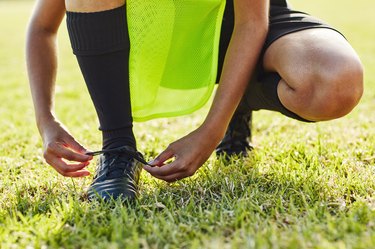
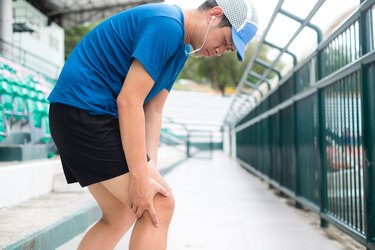
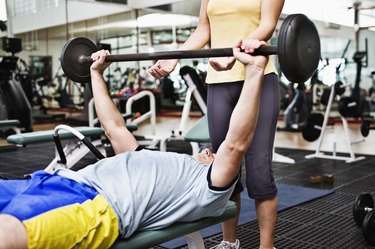
Caffeine consumption reduces pain during exercise, allowing a person exercising to work out longer and harder, according to University of Illinois professor of kinesiology and competitive bicyclist Robert Motl. "Science Daily" reports that a clinical study conducted by Motl and his colleagues demonstrated that caffeine intake blocked the perception of pain during exercise even among habitual caffeine consumers. Consuming caffeine before a workout may help people to stick with their exercise routines and experience more of the health benefits of regular exercise, including maintaining a health weight and decreasing joint pain.
Arthritis
Rheumatoid arthritis is a common degenerative disorder that causes pain and stiffness in the joints. A long term study of over 80,000 women found no correlation at all between consumption of caffeinated tea or coffee and development of arthritis, according to a November 2003 report published in the journal "Arthritis and Rheumatism" by researchers from Harvard Medical School and Brigham and Women's Hospital. The researchers acknowledged that a few studies had suggested a link between caffeine consumption and risk of arthritis, but found the data in those studies to be unreliable.
Considerations and Warnings
Consuming too much caffeine can cause potentially serious negative health effects. Sensitivity to caffeine varies from person to person, according to MayoClinic.com. Even small amounts may cause insomnia and restlessness in people who are sensitive to caffeine. Regular caffeine consumers may experience stomach upset, a fast heartbeat or muscle tremors from ingesting too much. A severe caffeine overdose may cause convulsions, irregular heartbeat and potentially even death, according to the National Institutes of Health's MedLine Plus. Sudden caffeine withdrawal may also cause bodily pain, according to "The Townsend Letter."
References
- "Townsend Letter for Doctors and Patients"; The Influence of Caffeine on Pain; Melvyn R. Werbach; January 2005
- "Science Daily"; Caffeine Reduces Pain During Exercise, Study Shows; April 2009
- MayoClinic.com: Caffeine--How Much is Too Much?
- "Arthritis and Rheumatism"; Coffee consumption and risk of rheumatoid arthritis; Elizabeth W. Karlson et al.; November 2003
- National Institutes of Health MedLine Plus: Caffeine Overdose


