







































What Are the Causes of Constipation in Teenagers?

What Are the Causes of Constipation in Teenagers?
Photo Credit Photodisc/Photodisc/Getty Images

Constipation is a digestive problem that involves passing stools fewer than three times a week and having dry, hard stools. The most common causes of constipation are poor diet and drinking too little fluid. Your lifestyle, medications and stress levels may also interfere with regular bowel movements. Though constipation is an unpleasant, sometimes painful condition, it usually clears up once you make appropriate diet and lifestyle changes. Discuss the problem with your doctor, who can offer professional advice on treatment and prevention.

Symptoms and Medical Complications

Symptoms of constipation include feeling full and bloated, pain when having a bowel movement, straining to pass stools and rectal bleeding or noticing blood on your toilet paper. Some medications, such as antidepressants or iron supplements, may cause constipation; it is also common during the later stages of pregnancy. Consult a physician if you experience chronic constipation or have concurrent symptoms of intense abdominal pain, unexplained weight loss, pencil-thin stools or blood in your stools.

Fluids

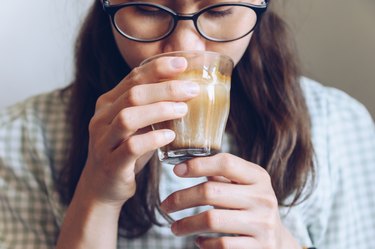
Lack of water in your diet may lead to constipation, but drinking soda, tea and coffee does not contribute to healthy hydration. Caffeinated beverages act as a diuretic and cause rapid water loss, dietitian Joan Salge Blake writes in her book "Nutrition and You." Drink water, caffeine-free beverages and beverages with low levels of sugar for the best results. Water helps to soften stools so they pass more easily. Teens need an average of 9 to 13 cups of water a day, more if you play sports or are physically active.

Diet

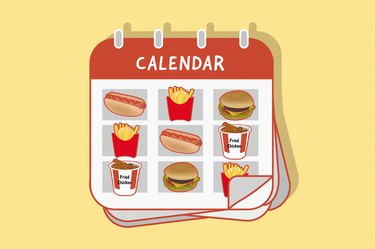
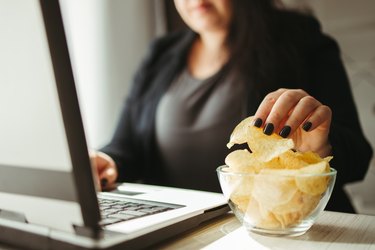
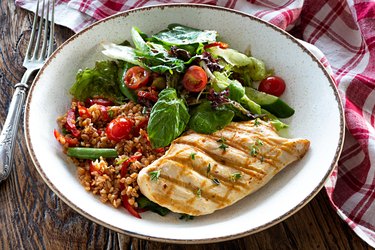
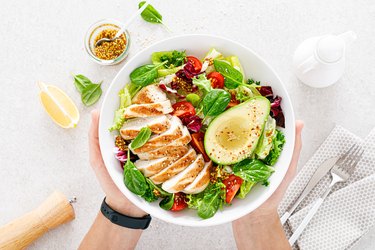
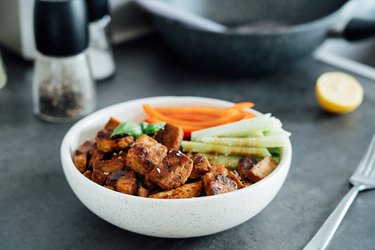
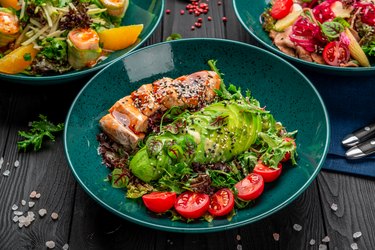
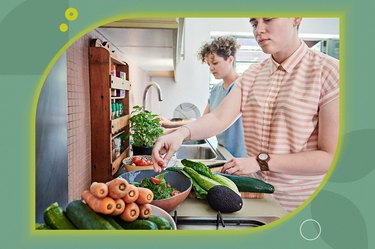
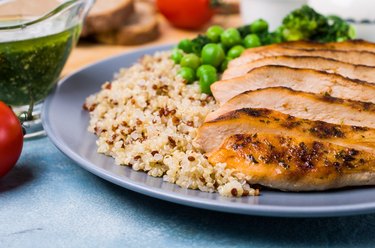
Low-fiber diets cause constipation. Eat plenty of fruits, vegetables and whole grains to add sufficient levels of both soluble and insoluble fiber to your diet. Soluble fiber absorbs water and softens your stools, while insoluble fiber adds bulk to your stools so that you get the urge to go more frequently. Blake recommends 14 g of fiber per every 1,000 calories you eat; if you're following a 2,000-calories-per-day diet, that amounts to 28 g of fiber each day.

Lifestyle Factors

Stress causes constipation and may result from major life changes, relationship issues or anxiety about school. Manage stress better by choosing a healthy lifestyle and learning to express your feelings in a constructive way. Keep a regular schedule, eat balanced meals and get enough exercise to relieve stress and stimulate digestion. Talk about your worries with someone you trust, or keep a journal to help your sort out emotional stress. Never resist your natural urge to use the bathroom, because this makes it more difficult to go later on.

References

Article reviewed by Will McCahill Last updated on: Aug 6, 2011

Must see: Photo Galleries