Are you getting enough fiber? Maybe you don't realize it, but you might only be getting half of what is recommended.
The Academy of Nutrition and Dietetics recommends 14 grams of fiber per 1,000 calories you eat. But adults in the United States are only getting 7.6 to 8.6 grams of fiber per 1,000 calories, per the National Health and Nutrition Examination Survey (NHANES).
Video of the Day
Video of the Day
Fiber is a carbohydrate your body can't digest, so it doesn't provide any energy. But, fiber provides many other benefits including improved gut health, regularity and helping to clear cholesterol out of your body.
Your first go-to fiber source should always come from whole foods — plant foods, to be more specific. But because it seems like we're all falling short on this recommendation, fiber supplements have stepped in to fill in those fiber gaps.
You have many choices when it comes to fiber supplements, so staying up to date on the different types is key in choosing one. If you don't choose the right one for your immediate needs, you could be in a world of digestive hurt.
Fiber Basics
When you eat any food, your body breaks down macronutrients, like carbohydrates and protein, so that you can absorb them. You also take in micronutrients, such as vitamins and minerals. But fiber is the part of plant foods that the human body doesn't absorb. Instead, fiber passes through your body mostly intact.
There are two types of fiber, according to the National Library of Medicine:
- Soluble fiber: This type dissolves in water and forms a gel-like substance and can sometimes slow down digestion. But because of its ability to pull in water, it can also have a laxative effect.
- Insoluble fiber: Sometimes called the "roughage" in the diet, this helps form bulky stool and can help you pass it easier.
The truth is, whole plant foods contain a healthy mix of the two types of fiber for optimal digestion and health benefits.
What Is Psyllium?
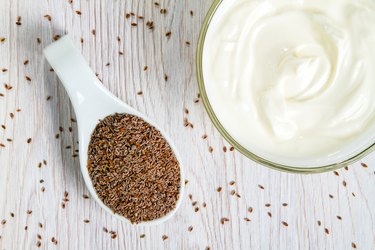
Psyllium, also known as psyllium husk, comes from the psyllium plant Plantago ovata, according to Mount Sinai. The psyllium plant grows across the globe but it's most common in India.
The majority of psyllium is soluble fiber, but it naturally contains a small amount of insoluble fiber as well. Psyllium is used primarily as a laxative, and it's the main ingredient in popular stool-softening products such as Metamucil. You can also find psyllium fiber in foods, such as lentils, oat bran, nuts, barley and seeds.
What Is Dextrin?
Dextrin is a type of soluble fiber — often labeled as a resistant starch — that is made from starchy foods, such as wheat, potatoes, corn or tapioca. Dextrin is easily fermented in the large intestine and that could mean good news for your gut health.
Dextrin is only a soluble fiber and does not contain any insoluble fiber. It's the main ingredient in Benefiber.
Psyllium vs. Dextrin Benefits
Heart Health
The way psyllium acts as it moves through the digestive tract has a large influence on the benefits. And it's the gel-like properties of psyllium that contribute to its cholesterol-lowering effects, according to an April 2017 review in the Journal of the American Association of Nurse Practitioners.
In fact, psyllium is one of two fibers (beta-glucan is the other) that holds an FDA health claim for reducing the risk for heart disease by lowering cholesterol.
Dextrin isn't as well-studied as psyllium and isn't associated with as many health benefits. A June 2022 review in the Journal of Functional Foods states that resistant starch (like dextrin) may have benefits in improving blood lipids, but the research so far is inconclusive.
Gut Health
Psyllium has also been shown to produce short-chain fatty acids (SCFA) — namely butyrate, a postbiotic — with supplementation in people who were constipated, according to January 2019 research in the International Journal of Molecular Sciences. Researchers suggest that psyllium altered gut health in a good way by promoting the growth of specific good bacteria.
Dextrin has been most widely studied for its role as a prebiotic fiber that can play a key role in fermentation, which can improve gut health. Research is now looking at a possible link between dextrin and the production of SCFAs, according to October 2021 research in Nutrients.
Blood Sugar Control
Psyllium has been studied for its effect on blood sugar control, especially in those with type 2 diabetes. People with diabetes taking 10.5 grams of psyllium daily — with doses separated throughout the day — lowered their fasting blood sugar and hemoglobin A1c levels with 8 weeks of supplementation, according to October 2016 research in the Nutrition Journal.
Dextrin does not have any conclusive evidence supporting its use as a supplement for blood sugar control.
Weight Management
In a systematic review and meta-analysis of psyllium supplements for weight loss, there was no conclusive evidence to support its use. The authors concluded that it did not significantly reduce body weight, body mass index or waist circumference, according to the March 2019 review in Critical Reviews in Food Science and Nutrition.
Dextrin increases feelings of fullness, which has the potential to help with weight management, according to June 2021 research in the European Journal of Nutrition. However, another study shows the opposite effect: Supplementing with dextrin did not have any effect on appetite regulation, according to October 2020 research in Nutrients.
Dosage
A fiber supplement is meant to be an addition to the fiber already in your diet — meaning, you should not be getting all of your fiber from dextrin, psyllium or any other type of fiber supplement.
When first starting out on a fiber supplement, there are some rules to follow. Typically, sticking with the dosage on the fiber supplement package will be sufficient for most adults. If you're concerned, start with a half dose and slowly move up to a full dose if you don't have any side effects.
A good rule of thumb when starting out with a fiber supplement is to stick with 3 to 5 grams of additional fiber per day. Once you become accustomed to that amount, you can slowly increase your fiber.
Top Fiber Supplements to Shop
Potential Risks or Interactions
Gastrointestinal Discomfort
As with any supplement or medication, psyllium and dextrin fiber can give you unwanted side effects. Although fiber supplements are generally safe, they can cause side effects such as gas, stomach pain, constipation, or diarrhea.
Although increasing your fiber intake can have several health benefits, it is possible to get too much in your diet. Some of these side effects come from simply taking too much fiber. Other times, the discomfort comes from adjusting to the regimen. Slowly introducing fiber may curb side effects.
Tip
Take your fiber supplement with a glass of water, especially with psyllium because it can get thick when you mix it. You should also be drinking water throughout the day to help alleviate any of the side effects of adding more fiber to your diet.
Fiber May Not Mix With Medical Conditions
People with Celiac disease or gluten intolerance should avoid wheat dextrin because it can contain gluten.
People with Crohn's disease or a history of intestinal blockages should speak with their doctors before starting a fiber supplement.
Timing Matters
You should also check with your doctor or pharmacist before introducing a fiber supplement to ensure it does not interfere with any prescriptions. Fiber supplements should not be taken within 1 to 2 hours of your medication.
Lead Contamination
All of the psyllium brands we've recommended have passed ConsumerLab tests for safety, and that includes lead. Many psyllium supplements have more than the allowable limit for lead.
When choosing psyllium specifically, make sure to see if it has been tested.
So, Which Is the Best Fiber Supplement?
In a head-to-head challenge, psyllium and dextrin are both effective supplements to get you additional fiber. It comes down to choosing a type of fiber that will give you results for the conditions you are hoping to improve.
It's always a good idea to have a discussion with your doctor or dietitian to ensure the type of fiber you choose is appropriate and will not interfere with any current conditions or medications.


- Journal of the American Association of Nurse Practitioners: "Fiber supplements and clinically proven health benefits: How to recognize and recommend an effective fiber therapy"
- European Journal of Nutrition: "Impact of dietary supplementation with resistant dextrin (NUTRIOSE®) on satiety, glycaemia, and related endpoints, in healthy adults"
- International Journal of Molecular Sciences: "The Effect of Psyllium Husk on Intestinal Microbiota in Constipated Patients and Healthy Controls"
- Nutrition Journal: "Soluble fibers from psyllium improve glycemic response and body weight among diabetes type 2 patients (randomized control trial)"
- Nutrients: "The Effect of Soluble Fiber Dextrin on Subjective and Physiological Markers of Appetite: A Randomized Trial"
- Critical Reviews in Food Science and Nutrition: "The effects of psyllium supplementation on body weight, body mass index and waist circumference in adults: A systematic review and dose-response meta-analysis of randomized controlled trials"
- Academy of Nutrition and Dietetics: "Fiber"
- Journal of Functional Foods: "Health Benefits of Resistant Starch: A Review of the Literature"
- Nutrients: "Therapeutic Potential of Various Plant-Based Fibers to Improve Energy Homeostasis via the Gut Microbiota"