






























































Foods to Increase Women's Fertility

Foods to Increase Women's Fertility
Photo Credit Brand X Pictures/Brand X Pictures/Getty Images

Infertility affects millions of couples in the United States. A couple is diagnosed as being infertile after attempting to get pregnant for a least a year without success. According to the American Pregnancy Association, one-third of infertility problems are related to the female partner alone. In these cases the most common reason for infertility is an ovulation disorder. Another third of infertility cases are related to the male partner, and the rest are caused by a combination of male and female factors or unknown reasons. Although there are many technological advancements in treating infertility, some foods you may already be eating on a regular basis have been found to play an important role in regulating reproductive hormones, therefore increasing women's fertility.

Beta-carotene

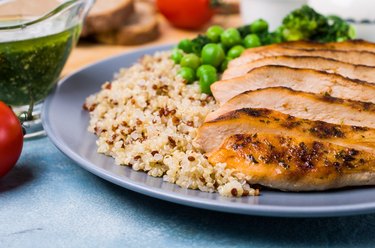
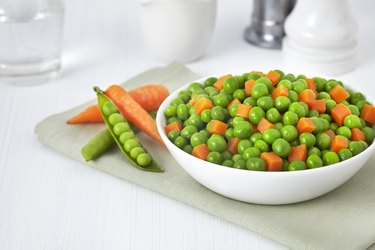
Derived from plant pigment, beta-carotene is a nutrient that is converted to vitamin A in the body. The highest concentration of beta-carotene is found in the corpus luteum. Formed within the ovary after an egg is released from its follicle, the corpus luteum is where progesterone is produced after ovulation. Progesterone is essential in regulating the luteal phase, or days past ovulation, of your cycle, so beta-carotene is thought to be important for cycle regularity. Dietary sources of beta-carotene include carrots, broccoli, peas, spinach and sweet potatoes.

Vitamin B6

The B vitamins are important for fertility because they help regulate the production and balance of reproductive hormones. Vitamin B6 in particular is essential for the formation and proper functioning of estrogen and progesterone. If you are deficient in vitamin B6, your ovaries shut down the production of progesterone, causing luteal phase defects in your cycle. Green leafy vegetables, molasses, whole grains, nuts, egg yolks, organ meats, fish, poultry, legumes and seeds all are important food sources of vitamin B6.

Vitamins C and E

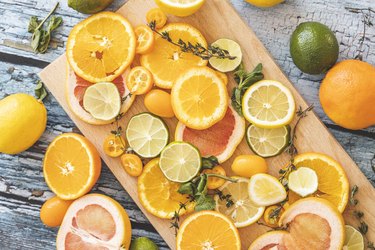
Vitamin C and vitamin E are antioxidants that block the damaging action of free radicals within your body. Midwife and author Zita West reports that taking these two vitamins together may improve ovulation in the treatment of unexplained infertility. Food sources of vitamin C include citrus fruits, cherries, mangoes, cantaloupe, strawberries, grapes, kiwi, pineapples, broccoli, tomatoes, asparagus, peas, potatoes, spinach, parsley and alfalfa sprouts, while foods such as wheat germ, organ meats, molasses, eggs, nuts, seeds, whole grains and avocados all are good sources of vitamin E.

Zinc

Zinc is critical for the production of high-quality eggs in the ovaries and helps to maintain your menstrual cycle. Researchers from the National Institute of Unani Medicine in India reported that oysters, which contain high levels of zinc, may help enhance fertility when consumed by women. Other dietary sources of zinc include lean meat, seafood, chicken, eggs, pumpkin and sunflower seeds, rye, oats, whole grains, legumes, ginger, parsley, mushrooms and wheat germ. Vitamins B6 and C aid in the absorption of zinc.

References

Article reviewed by Kile McKenna Last updated on: Aug 13, 2011

Must see: Photo Galleries