Digestive enzymes can help provide relief from heartburn, acid reflux, sluggish bowels and diarrhea. A body in balance doesn't need supplemental enzymes because it produces them on its own. Supplemental enzymes do help some people better access nutrients from the food they eat, especially if they have digestive distress. Instead of reaching for a pill, consider your lifestyle habits and diet as a way to naturally increase the production of the digestive enzymes in your body.
Raw Foods
Video of the Day
Digestive enzymes may be in their most-readily available form when you eat them in foods that are in their raw state. Raw food dieters claim that the digestive enzymes in vegetables and fruit are diminished when these foods are heated over 118 degrees Fahrenheit. However, your stomach acids often break down these enzymes immediately, even when you eat raw food -- so the value of enzymes acquired in raw foods is hotly debated among nutritionists. But, increasing your intake of raw foods -- particularly fruits and vegetables -- can help cleanse your system and improve digestion, because they contain large amounts of fiber, antioxidants and phytonutrients. A healthy gut produces appropriate amounts and appropriate types of digestive enzymes.
Video of the Day
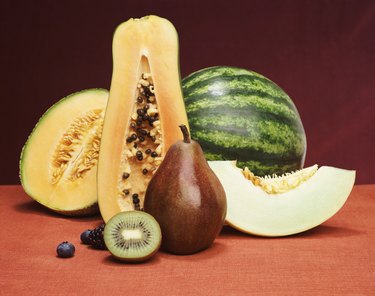
Supplement your normal diet with foods that also offer large amounts of digestive enzymes. Sprouted seeds and legumes, soaked nuts, papaya, pineapple, mango and kiwi all serve as a significant source of digestive enzymes. Avocado, raw honey, coconut oil and raw dairy products are other quality sources.
Chew Thoroughly
The production of enzymes begins in the mouth, when your food comes into contact with saliva. Chewing thoroughly gives your body ample time to produce the enzymes and then to break the foods into small particles. This increased surface area of the food means that existing enzymes can also work more effectively because the enzymes have full access to the food content.
Reduce Your Stress
Physical stress resulting from too much exercise, or other factors such as illness, surgery, a lack of sleep or daily rhythm disturbances -- such as time-zone travel or working night shifts -- disturbs both your digestive tract and your ability to pump out enzymes. Do your best to stick to a routine, allow adequate recovery time from medical issues, sleep seven to nine hours a night and exercise regularly -- but not too much.
If your mind is constantly agitated -- whether from financial, work or relationship challenges -- your body is in a constant state of fight-or-flight. This type of stress prevents your stomach from efficiently producing stomach acid and digestive enzymes. Take up stress-relieving techniques such as mediation and yoga to help soothe your soul.
External Factors
Stress also comes from your environment, medications you take and the food you eat. Pesticides, car pollution and plastic residues can all disrupt digestion and enzyme production. Minimize exposure to these compounds. Certain prescription medications, such as steroids and antibiotics, may affect your ability to produce enough digestive enzymes. Use these medications only when necessary and follow your doctor's recommendations for how long to use them. . Chronic stomach upset may lead you to pop antacids often, but these, too can adversely affect digestion. Wean yourself off them to reduce physical stress on your system, so your body can produce enzymes efficiently on its own.
Certain foods can also negatively affect your body's ability to produce enzymes. Speak with your health care provider about taking a food intolerance test that might help you identify substances that disrupt your normal functioning. If you're intolerant to dairy products, for example, you might find alternative milks better suited for you and you might find that removing cheese from your diet gives your body the relief it needs to increase enzyme activity on its own.