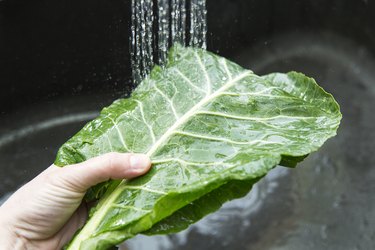
Although blood clots inside the body are bad for your health, clotting, also known as coagulation, is an essential part of the healing process. People with certain medical conditions or nutrient deficiencies may want to help support their blood's ability to coagulate. Foods that help blood clot include animal products, seafood, vegetables and herbs.
If you're taking blood thinners for a medical condition, you may be interested in foods that cause your blood to clot so you can modify your diet. When on blood thinners, be sure to consult with your doctor to discuss your specific diet needs.
Video of the Day
Video of the Day
Tip
Vitamin K, calcium, copper and iron are nutrients that play a major role in your body’s ability to form blood clots. Foods that are rich in these nutrients, such as meat, fish and vegetables, can improve coagulation.
Vitamin K and Coagulation
Vitamin K helps maintain the health of your bones and blood. It can help promote the body's ability to clot blood and is considered to be one of the most important nutrients for people who have bleeding disorders. People can obtain vitamin K from a variety of sources, including:
- Leafy vegetables, like collard greens, spinach, lettuce and kale
- Other types of vegetables like broccoli and okra
- Certain fruits, like blueberries and grapes
- Soybean products, including oil and natto
- Nuts, like pine nuts and cashews
- Animal products, like chicken, ground beef and eggs
Because vitamin K is found in such a wide range of food products, most people get enough of this nutrient. Adults should consume between 75 and 120 micrograms of vitamin K each day.
You can easily obtain this amount from leafy greens. For example, half a cup of frozen collard greens can give you 662 percent of the daily value, and a cup of fresh kale can give you 141 percent of the daily value. Your body's gastrointestinal system is also able to make small amounts of vitamin K.
The Importance of Vitamin K
People with malabsorption or digestive system issues can struggle to get enough of this nutrient. This includes people with ulcerative colitis, short bowel syndrome, cystic fibrosis and celiac disease. Antibiotics and certain medications also have the potential to lower your body's vitamin K levels.
Not consuming enough vitamin K-rich foods will act as a natural blood thinner. This can lead to bruising, bleeding problems and may increase your risk of osteoporosis. Insufficient vitamin K may also play a role in the development of heart disease.
Coagulation, Calcium and Vitamin K
Calcium plays an important role in blood clotting. It works with vitamin K and also maintains the health of your bones and blood. Most adults need between 1,000 and 1,200 milligrams of calcium each day. Calcium-rich foods include:
- Milk products, including foods like milk, yogurt, sour cream, ice cream and cheese
- Seafood, like sardines and salmon
- Fortified beverages, such as soy milk and orange juice
- Vegetables, like kale, broccoli, bok choy and turnip greens
Calcium is a critical nutrient for your health, so deficiencies can result in serious health issues. In addition to helping your blood clot, it also helps regulate your blood pressure, improves the health of your bones and reduces your risk of different diseases.
Iron, Coagulation and Anemia
Iron is well known for being important for the health of your blood. This mineral helps make important proteins like hemoglobin, which is found in red blood cells. Foods that are rich in iron include:
- Seafood, like oysters, sardines and tuna
- Meat products, such as beef, turkey and chicken
- Legumes, like lentils, kidney beans, white beans, soybeans and chickpeas
- Nuts, like pistachios and cashew nuts
- Enriched products, including rice, cereals and other grain-based products
- Certain vegetables, such as spinach, potatoes and broccoli
Adult men need about 8 milligrams of iron each day, while women typically need more. Most adult women need 18 milligrams of iron each day, but this can range between 8 and 27 milligrams based on whether they are older adults, breastfeeding or pregnant. The easiest way to make sure you're getting enough iron is by eating fortified foods.
Why Iron Is Important
If you don't get enough iron, you can become anemic. In fact, iron deficiency is the most common type of anemia, although other nutrient deficiencies can also cause this issue.
Anemia and iron deficiency also influence internal blood clotting in the body. Unlike healthy clots that occur outside of the body when you injure yourself, blood clots that form in your veins are dangerous. Those blood clots can cause pain, inflammation and lead to other serious health issues that can result in death.
Copper’s Role in Coagulation
Copper helps the body form red blood cells alongside other nutrients that are important for blood clotting. It also helps the body absorb other nutrients, like iron. You can find copper in many types of foods, for example:
- Seafood, particularly shellfish
- Certain meats, particularly offal
- Dark, leafy greens
- Dried fruits
- Whole grains
- Legumes
- Nuts
Most adults should consume between 890 and 1,300 micrograms of copper each day, depending on how old they are and whether they are pregnant or breastfeeding. As with an iron deficiency, too little copper can cause issues like anemia, reduced blood clotting, high blood pressure and other cardiovascular problems. The easiest way to make sure you're getting enough copper is to eat foods like liver. A single ounce (28 grams) of veal liver has 211 percent of the daily value for this nutrient.
Other Natural Blood Thickeners
There are a variety of other foods that help clot blood, particularly spices and herbs. Herbs like white turmeric (Curcuma angustifolia) and the Brazilian favela plant (Cnidoscolus quercifolius) have a variety of medical uses, including acting as natural blood thickeners.
Foods with latex can help promote blood clotting if you're consuming them in large amounts. However, be aware that diluted latex can actually prevent blood clots. Foods with latex include:
- Avocado
- Banana
- Chestnuts
- Kiwi
- Melon
- Nettlespurge (Jatropha curcas)
- Papaya
- Potatoes
Certain types of seeds and seed oils can influence blood clotting. A 2014 review in the Online International Interdisciplinary Research Journal reported that flaxseed consumption helps the body make platelets that are an essential part of blood clotting, while flaxseed oil consumption helps reduce the risk of internal blood clot formation.
Blood Thinners and Diet
If you are taking blood thinners and are concerned about your blood's ability to coagulate, you may need to keep an eye on the foods you're eating as they can interact with your medication. Certain types of blood thinners, like warfarin, help prevent blood clots by preventing vitamin K-dependent clotting in your body.
If you're taking warfarin, you don't need to avoid vitamin K-rich foods. However, you will need to make sure you're regularly eating the same amount of them. Inconsistent amounts of vitamin K in your diet can influence the way your medication works.
If you want to make major changes to your diet and are taking blood thinners, make sure to talk to your doctor first.
Correction: An earlier version of this story incorrectly described ginger as a spice that can help blood to clot. We regret the error.
- SELFNutritionData: Veal, Variety Meats and By-Products, Liver, Cooked, Pan-Fried [Calf Liver]
- National Institutes of Health: Office of Dietary Supplements: Vitamin K Fact Sheet for Health Professionals
- Academic Journal of Nutrition: Review on Medicinal and Nutritional Values of Goat Milk
- Oregon State University: Linus Pauling Institute: Micronutrient Information Center: Vitamin K
- National Institutes of Health: Office of Dietary Supplements: Calcium Fact Sheet for Health Professionals
- National Institutes of Health: Office of Dietary Supplements: Iron Fact Sheet for Health Professionals
- BMJ Thorax: Low Serum Iron Levels Are Associated With Elevated Plasma Levels of Coagulation Factor VIII and Pulmonary Emboli/Deep Venous Thromboses in Replicate Cohorts of Patients With Hereditary Haemorrhagic Telangiectasia
- MedlinePlus: Copper in Diet
- Canadian Journal of Physiology and Pharmacology: Copper Deficiency and Cardiovascular Disease: Role of Peroxidation, Glycation, and Nitration
- Online International Interdisciplinary Research Journal: Linum usitatissimum L. (Flaxseed)–A Multifarious Functional Food
- Asthma and Allergy Foundation of America: Latex Allergy
- Journal of Ethnopharmacology: Coagulant and Anticoagulant Activities in Jatropha curcas Latex
- Genetic Resources and Crop Evolution: Ethnobotanical Uses of Gingers in Tamenglong District, Manipur, Northeast India
- Biomedicine and Pharmacotherapy: Ethnobotanic, Phytochemical Uses and Ethnopharmacological Profile of Genus Cnidoscolus Spp. (Euphorbiaceae): A Comprehensive Overview
- The Pharma Innovation Journal: Physicochemical and Functional Properties of Curcuma angustifolia (Tikhur) - An Underutilized Starch
- American Heart Association: A Patient's Guide to Taking Warfarin