








































The Advantages of Shrimp

The Advantages of Shrimp
Photo Credit Comstock/Comstock/Getty Images

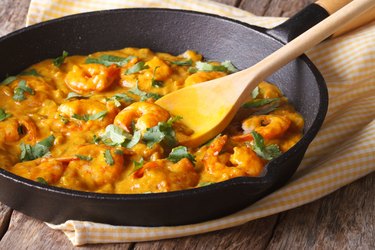
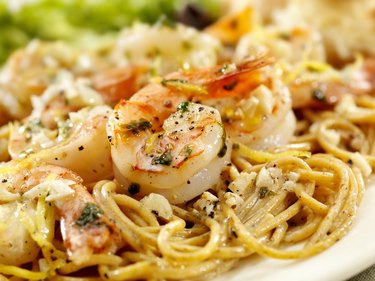
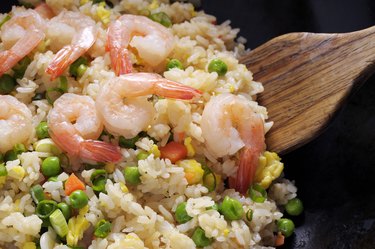
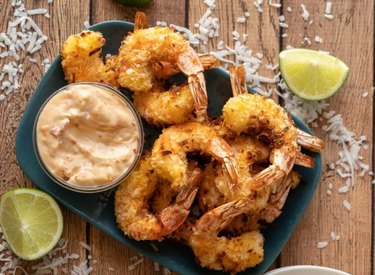
Shrimp are a tasty, easy-to-cook, lean source of protein. Shrimp is a healthy seafood item that is low in mercury and high in several nutrients. Increase the health benefits of a shrimp meal by eating shrimp that are lightly steamed or boiled as opposed to fried or sauteed in oil or butter. Serve shrimp alongside a fresh salsa made from fruit or vegetables to increase the health benefits of your meal.

Protein

Eating 6 oz. of shrimp will add more than 34 g of protein to your daily intake. Getting enough healthy protein in your diet can help your body fight off illness and keep your circulatory and respiratory systems functioning properly. Focusing your diet on lean, health proteins such as shrimp can also help you lose excess weight. The Institute of Medicine recommends getting 8 g of protein for every 20 lb. of body weight daily.

Vitamin B-12

Adding 6 oz. of shrimp to your meal will increase your daily intake of vitamin B-12 by 2 mcg. A lack of vitamin B-12 in your diet could lead to a deficiency, which can cause muscle weakness, vision problems and psychiatric issues, among other problems. Even a slight deficiency in vitamin B-12 can cause health issues, according to MayoClinic.com. The recommended dietary intake of vitamin B-12 is just 2.4 mcg per day.

Iron

You'll add just over 4 mg of iron to your daily intake by eating 6 oz. of shrimp. If you don't get enough iron in your diet, you could become anemic, which could lead to health issues such as fatigue and shortness of breath. Consuming vitamin C along with an iron-filled food such as shrimp can help increase your body's ability to absorb the iron. Pair shrimp with broccoli, mangoes or tomatoes to add vitamin C to your meal and increase your iron absorption.

Misconceptions

Shrimp are high in cholesterol, but that doesn't mean you should avoid eating them. Since shrimp are low in fat, especially saturated fat, eating shrimp won't have a negative effect on your cholesterol levels the way eating fattier foods would. If you are watching your cholesterol levels, talk to your doctor about shrimp to make sure you can safely add shrimp to your diet without ill effects.

References

Article reviewed by joyce sexton Last updated on: Aug 19, 2011

Must see: Photo Galleries

Member Comments