


































































Ways to Treat Swimmer's Ear

Ways to Treat Swimmer's Ear
Photo Credit Thinkstock Images/Comstock/Getty Images

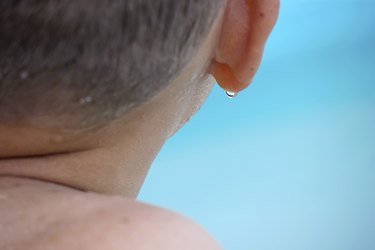
Swimmer's ear, also known as otitis externa, is an inflammation, irritation or infection of the outer ear and ear canal. Occasionally it also is accompanied by a middle ear infection. It is called swimmer's ear because the most common cause is water lingering in the ear canal, allowing germs to grow. Other causes include excessive scratching of the ear or getting an object stuck in the ear. Although swimmer's ear is not contagious, it is uncomfortable and treatment is recommended. This typically involves antibiotics and also might include corticosteroids or pain relief medication.

Antibiotics

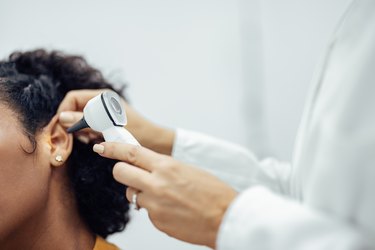
Your physician will examine your ear, remove any drainage or pus and determine if you have more than an outer ear infection. If only your outer ear is infected, you will be prescribed antibiotic drops to fight the infection. If your ear canal is too swollen to allow drops to pass, a wick might be used to assist in delivery. If you also have a middle ear infection, it might be necessary to take oral antibiotics as well as antibiotic drops.

Corticosteroids and Vinegar

Corticosteroids are used to reduce inflammation and itching. Make sure your physician knows about any underlying condition you have, as this can affect the decision to prescribe steroids. Vinegar drops, or another acidic solution, might be prescribed as well. These acidic solutions are aimed at restoring the normal antibacterial environment of your ear.

Pain Medication

Pain medication is used in cases in which irritation is severe and interferes with your life. It does not treat the underlying condition and should not be seen as a substitute for antibiotics or other treatments. Pain medications used include acetaminophen and ibuprofen.

Prevention

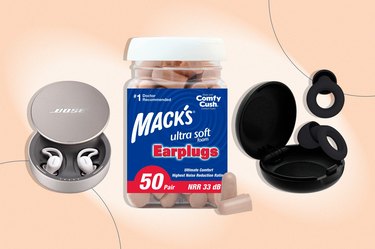
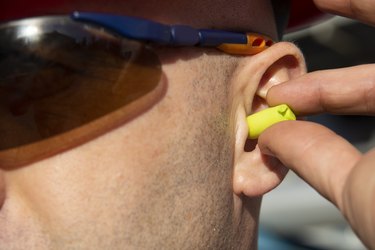
There are several steps to prevent swimmer's ear. Keep your ear as dry as possible by using a bathing cap or swimming ear molds when swimming. Dry your ears after swimming and showering with a towel or gentle hairdryer, do not use a cotton swab, as they can push substances deeper inside the canal. Allow your ear to retain some natural ear wax, which helps protect your ear from infection.

References

Article reviewed by Shawn Candela Last updated on: Aug 19, 2011

Must see: Photo Galleries