


























Can You Reverse Cholesterol Damage to Your Body?

Can You Reverse Cholesterol Damage to Your Body?
Photo Credit Jupiterimages/Comstock/Getty Images

According to the American Heart Association, 75 percent of the cholesterol in your body is naturally produced by your liver. Your body produces all of the cholesterol it needs to perform vital functions, including the facilitation of hormone production and insulating cells. A diet high in animal-based foods contributes to increases in your cholesterol levels. High cholesterol can lead to serious damage to your arteries, heart and overall cardiovascular system. You can minimize and potentially reverse the damage from cholesterol with lifestyle and dietary changes.

Damage From Cholesterol

The most significant risk of high cholesterol is the chance of getting heart disease, which is the primary killer of men and women in the United States. Cholesterol is a waxy, fat-like substance that can accumulate in the walls of your arteries and cause narrowing or blocked blood flow. The absence of blood and oxygen to your heart causes angina, or chest pain, and eventual or sudden heart attack. Cholesterol can also increase your risk of blocked blood vessels leading to your brain and result in stroke. The damaging form of cholesterol is referred to as low-density lipoprotein, or LDL.

Risk Factors For High Cholesterol

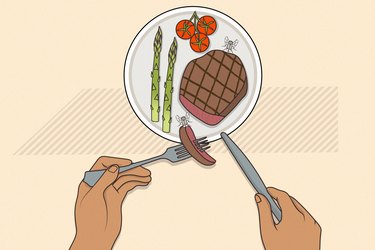
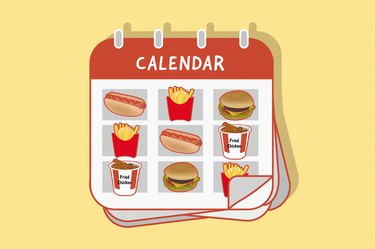
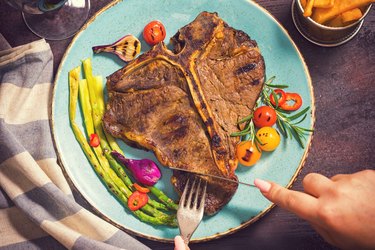
The most potent cholesterol-raising substance is saturated fat, according to the Cleveland Clinic. You consume this form of fat from whole dairy, red meat, skin on poultry, fried foods --- especially those cooked with hydrogenated oils --- lard and shortening, and many processed or packaged foods. Saturated fats remain solid at room temperature, which means they virtually solidify inside your arteries. Cutting your daily saturated fat intake to 7 percent or less of your total calories consumed can help reverse arterial damage. Additional factors that increase your risk for high cholesterol include being overweight, having a sedentary lifestyle and smoking.

Foods to Reverse Damage

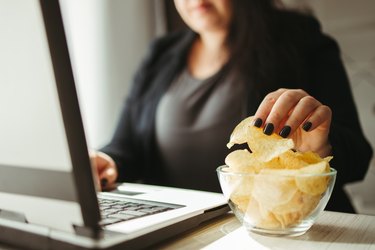
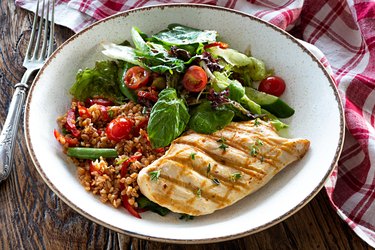
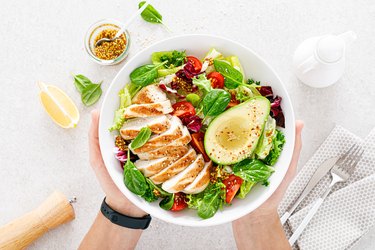
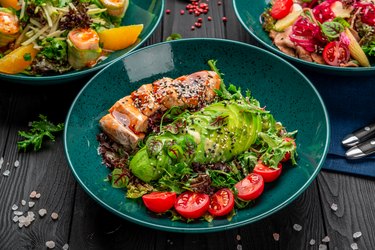
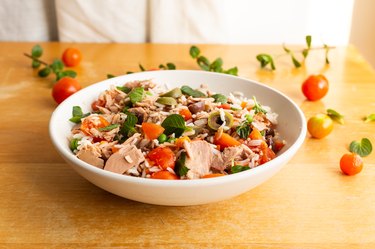
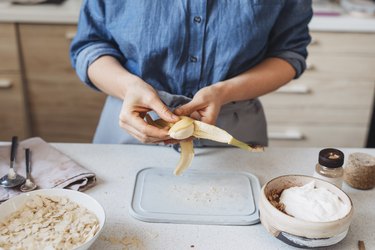
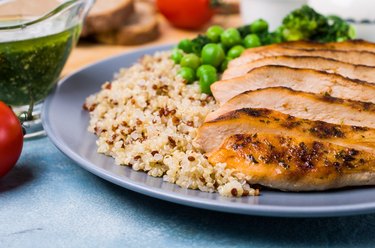
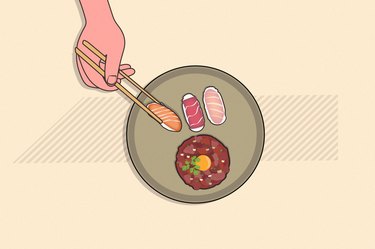
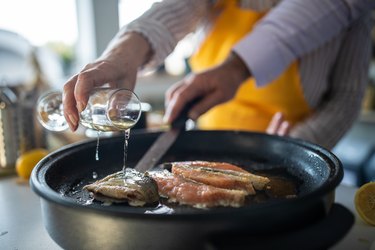
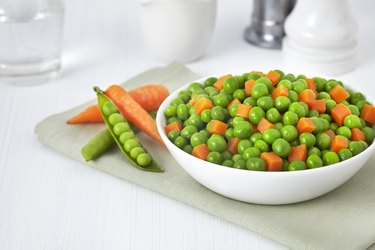
Extend your life and reverse the damage caused by high cholesterol with dietary changes. Choose healthier animal-based foods like grilled fish, which has omega-3 fatty acids instead of saturated fat. Salmon, tuna and trout are heart-healthy options. Swap your hydrogenated oils, margarine and shortening for the healthier alternative of olive oil that you can use as a base for salad dressing or mix with herbs as a flavoring or marinade. Eat a small bowl of plain oatmeal daily to lower your LDL. Grab a handful of almonds to snack on between meals instead of potato chips. Include several servings of fresh vegetables and fruits as well as whole grains to sustain arterial health.

Lifestyle Changes

Dietary habits are a major part of the cholesterol-lowering equation, but you can maximize damage reversal by also improving your lifestyle habits. Start exercising for 30 minutes a day, three to five times a week. If you are new to working out, gradually increase your time beginning with 10 minutes a day and working up to 30. Walk around your neighborhood, join a fitness class or work with a personal trainer to create a program that works for you. Drink alcohol in moderation or abstain altogether. Excess alcohol use increases your risk of heart failure. Stop smoking with the help of counseling or support groups. Consult your physician before beginning exercise or making dietary changes.

References

Article reviewed by Contributing Writer Last updated on: Aug 20, 2011

Must see: Photo Galleries