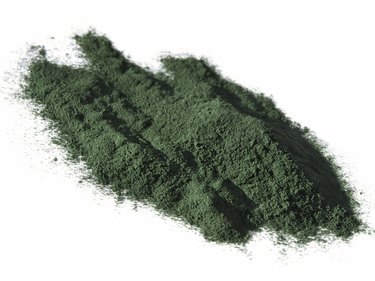
Any food, including spirulina, can make you fat if you eat too much of it. In the case of spirulina, however, you'd have to eat a very large amount of it for it to lead to weight gain. Eating high-calorie, fat- or sugar-filled foods and not getting enough exercise are more likely to cause you to gain weight.
Spirulina Calories and Nutrition
Video of the Day
It takes an extra 3,500 calories over and above your daily needs to gain a pound. A tablespoon of dried spirulina, which is how you're most likely to find it sold, contains only 20 calories, so it would take quite a bit of spirulina to cause weight gain.
Video of the Day
Spirulina is sometimes used as a nutritional supplement because each tablespoon provides 4 grams of protein as well as 11 percent of the daily value for iron and thiamine, 21 percent of the DV for copper, 15 percent of the DV for riboflavin and 15 percent of the DV for thiamine. The B vitamins riboflavin and thiamine are important for turning the food you eat into energy, and the minerals iron and copper are essential for forming healthy red blood cells.
Weight Gain
Rumors of spirulina causing weight gain could be due to a study published in Nutrition and Metabolic Insights in 2011. In this study, malnourished HIV-infected adults were given a supplement of spirulina to help improve their nutritional status, which led to increases in weight and body mass index. That doesn't mean that spirulina will cause fat gain if you're not malnourished, though.
Amount Necessary
The people in the Nutrition and Metabolic Insights study consumed quite a bit of spirulina to gain weight, as they were provided with about 0.8 gram of spirulina per pound of body weight. Since a tablespoon of spirulina weighs about 7 grams, a 125-pound person would have to eat more than 1.5 cups of spirulina per day to match the amount that caused weight gain in the study.
Safety Considerations
Don't add large amounts of spirulina without first talking to your doctor. Spirulina could increase the risk of kidney stones or gout in susceptible people, and spirulina may also be contaminated with toxic substances, such as heavy metals, microcystins and anatoxins.
Don't use spirulina if you're pregnant, taking medications to suppress the immune system or have an autoimmune disease. People with phenylketonuria should also avoid spirulina, as it contains the amino acid phenylalanine.
- Beth Israel Deaconess Medical Center: Spirulina
- HealthAliciousNess.com: Nutrition Facts Comparison Tool
- Nutrition and Metabolic Insights: Potential of Spirulina Platensis as a Nutritional Supplement in Malnourished HIV-Infected Adults in Sub-Saharan Africa: A Randomised, Single-Blind Study
- Drugs.com: Spirulina
- University of Maryland Medical Center: Spirulina