




















































TV Dinner Diet

TV Dinner Diet
Photo Credit George Doyle/Stockbyte/Getty Images

TV dinners are fast, convenient and inexpensive and many people with tight schedules rely on them. Many people attempting to lose weight use TV dinners as a way to control portions. Some frozen dinners may not be healthy options and primarily eating pre-made meals may leave you lacking nutrients. However, TV dinners can still have a place in your diet when you add them to a well-balanced meal plan.

Food Groups

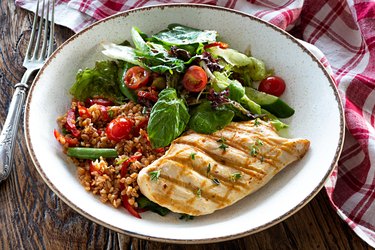
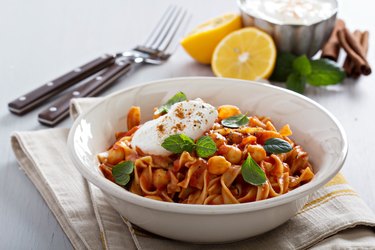
Choosing a TV dinner can feel overwhelming with all the choices available in most supermarkets. Look for options that include a variety of foods from every food group, including fruits, vegetables, lean protein, whole grains and low-fat dairy. A good example would be an entree made with whole grain pasta, vegetables and low-fat cheese. Buying a variety of TV dinners allows you to increase your nutrient intake by eating more types of foods, helping you cover all your nutrient needs.

Reading Labels

If you rely on TV dinners, but want to lose weight, it is important to read labels when choosing your meals. Frances Largeman-Roth, senior food and nutrition editor at "Health" magazine, recommends opting for TV dinners that limit calories to 500 per entree, contain at least 3 g of fiber and 10 g of protein and less than 15 g of fat. Weight loss occurs when you burn more calories than you consume, making it important to balance the calorie content of each of your TV dinners so that you don't overdo it. Protein offers energy and keeps your muscles strong, allowing you to work out and burn more calories. Fiber offers appetite control because it digests slowly, keeping you feeling full and preventing the urge to reach for unhealthy snacks that could derail your weight loss and health goals. TV dinners sold by commercial diet programs are usually good options that take the guesswork out of healthy weight loss meals.

Supplementing

While many TV dinners are healthy and a good way to stick with a weight loss program, they may not cover all your nutritional needs. If the choices you make are lacking in foods from certain food groups, supplementing with other items can help prevent a vitamin or mineral deficiency. For example, if your TV dinner is lacking in fruits or vegetables, add a tossed or mixed fruit salad on the side. A glass of low-fat milk adds much-needed calcium and additional protein to your TV dinner.

Sodium

Despite the portion-control and weight loss benefits of many TV dinners, some are high in sodium, with up to half what you need in one day contained within one meal. Consistently eating meals that are too high in sodium increases your risk of hypertension, which in turn increases your risk of developing heart disease. Daily intake recommendations for salt are no more than 2,300 mg per day and Largeman-Roth recommends choosing those that contain less than 700 mg per meal.

References

Article reviewed by MER Last updated on: Sep 2, 2011

Must see: Photo Galleries

Member Comments