









































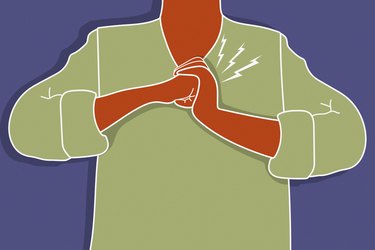


























Chiropractors are most often associated with alleviating back or neck pain. Yet their philosophy contends that chiropractic is a holistic healing art, curing ailments throughout the body and promoting general health. In fact, spinal orientation can be implicit in pain felt in other areas — the ribs, for example. Equally possible, back or neck discomfort can sometimes have its genesis in the ribs. Bringing the body into balance is the ultimate goal of the chiropractor.
Causes of Subluxations
Chiropractors spend a good deal of time adjusting subluxations of spinal vertebrae. These are simply misalignments that develop from any number of factors. Auto crashes, slipping and falling, improper stretching and extending, poor posture and unnatural sleeping positions can all contribute to this disorientation. Subluxations can also be found at the front of the body, where ribs meet the sternum. While subluxations are not the cause of every disorder, chiropractic philosophy contends that adjusting them fosters a stronger immune system and greater mobility.
Costo-Transverse Sprain
Medical academics refer to this condition as an inflammation of the rib cartilage. Symptoms include stabbing pain and difficulty with deep breathing. A sufferer may think the rib is broken. However, pinpointing a causal event is elusive. Costo-Transverse sprains can occur while sleeping or sitting in an unnatural position. If a chiropractor suspects this problem, a pectoralis major-sternal test will can provide further evidence. This is a manually percussive examination of the chest area where the ribs connect. If the test is positive, digital manipulation of the cartilage and rib can bring relief of pain and discomfort.
Thoracic Outlet Syndrome
TOS manifests itself in pain and loss of feeling in the shoulders, hands and arms. When a patient complains of such symptoms, the doctor will check the position of the first rib relative to the corresponding vertebra. If the rib sits higher, TOS is very possible, as the disoriented rib presses down on the surrounding veins, arteries and nerves. While the chiropractor can perform some deep tissue massage to alleviate the symptoms, the patient will shoulder the burden of the treatment, performing prescribed exercised to stretch the neck, chest and shoulder muscles. This effort gradually relaxes the pressure on the nerves.
Chest Pain and Shortness of Breath
Though not abundant, there is published research indicating the effectiveness of chiropractic treatment for chest pain and dyspnea – shortness of breath – where other medical applications had failed. In one such case, published in 2003 in the “Journal of Manipulative Physiological Therapy,” the patient had reached the point of functional disability, but was given relief through spinal manipulation by means of a chiropractic Activator mallet. The Activator was applied to the vertebral connections to the ribs, and the patient experienced a complete recovery following a two and a half month series of treatments.
References
- ISIS Chiropractic Centres; Rib Pain and Chiropractic Treatment
- Intelligent Chiropractic; Costo-Condral Subluxation in a Non-Concussive Event; Salvatore Minicozzi, D.C.
- Winchester Hospital Chiropractic Center; Thoracic Outlet Syndrome
- "American Journal of Clinical Chiropractic"; When Patients With Chest Pain Need Chiropractic Care; Al Ueda, D.C. and Gregg Carb, D.C.; 1/2001
- Biomed Central, Ltd.; Chiropractic and Manual Therapies; Common Errors and Clinical Guidelines for Manual Muscle Testing
- “Journal of Manipulative Physiological Therapy”; Chiropractic Management of Chronic Chest Pain Using Mechanical Force…”; BS Polkinghorn and CJ Colloca; 2/26/2003


