





























































Krill are small crustaceans, similar to shrimp. Oil harvested from krill is rich in the omega-3 fatty acids eicosapentaenoic acid, EPA, and docosahexaenoic acid, DHA. The EPA and DHA content of krill is similar to that of oily fish, such as salmon and tuna, making krill oil a comparable substitute to consuming fish or fish oil capsules.
Benefits
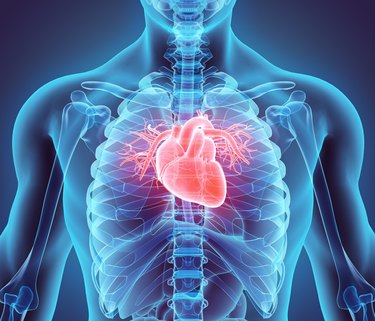
Improved heart health is the most notable benefit of consuming omega-3 fatty acids. EPA and DHA taken together have been shown to reduce triglyceride and increase high-density lipoprotein, or HDL, levels, reducing the risk of heart attack and stroke. Omega-3 fatty acids also play a crucial role in normal growth and development, memory, circulation and cognitive performance.
Dosage
One to 3 grams of krill oil is recommended per day. A randomized study published in the November 2010 issue of “Lipids” showed that 3 grams of krill oil, containing 543 milligrams EPA and DHA, was as effective in changing the lipid profile of subjects as 1.8 grams of fish oil, containing 864 milligrams EPA and DHA. The American Heart Association recommends that people with heart disease consume 1 gram EPA and DHA per day. Always talk to your doctor before beginning any new medication or dietary supplement.
Risks
Krill oil decreases blood coagulation and causes the blood to become thinner. People who have a bleeding disorder or take a blood-thinning medication, such as warfarin, should talk with their physician before initiating krill or fish oil supplementation. Krill oil contains the same protein found in shellfish, so you should not take krill oil if you are allergic to shellfish as you may experience an allergic reaction.
Alternatives
To maintain heart health, adequate EPA and DHA can be consumed through diet. The American Heart Association recommends that people without heart disease consume 4 ounces of fatty fish, such as salmon, albacore tuna or mackerel, at least twice per week. Flaxseed, canola oil and walnuts are also good sources of omega-3, although they are not as effective in lowering cholesterol as fish or fish oil. To protect your heart, include a variety of omega-3-containing foods in your diet regularly.
References
- Mississippi Baptist Health Systems: Krill Oil
- "Lipids"; Metabolic Effects of Krill Oil Are Essentially Similar to Those of Fish Oil But at Lower Dose of EPA and DHA, in Healthy Volunteers; Stine M. Ulven et al.; November 2, 2010
- American Heart Association: Frequently Asked Questions About Fish
- University of Maryland Medical Center: Omega-3 Fatty Acids


Member Comments