
































































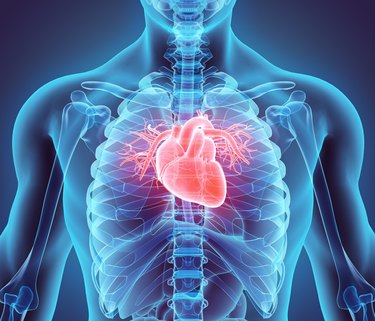
Chocolate is known for its savory texture and taste, but this decadent treat also provides medicinal qualities. Preliminary evidence suggests chocolate contains compounds known to reduce the risk of developing coronary heart disease; however, this common desert may also affect heart rate. Although chocolate, specifically dark chocolate, contains a high antioxidant count, it is important to discuss the safety of chocolate with your doctor if you have heart rate issues or are diabetic.
Active Constituents
The primary active constituents of chocolate, outside of its flavonoids or antioxidants, is a group of chemicals known as methylxanthines. The two primary methylxanthines responsible for the psycho-pharmacological, or stimulating, activity are caffeine and theoromine. Research published in the November 2004 issue of the “Psychopharmacology” journal found these compounds significantly improved cognitive function and energy levels; however, white chocolate displayed no effects.
Evidence on Heart Rate
As of date of publication, there is no solid evidence linking chocolate consumption and heart rate. However, an increase in heart rate after consuming chocolate may be caused by its caffeine level. The University of Washington states a 50g bar of chocolate contains anywhere from 3 to 63mg of caffeine while a 5-oz. cup of coffee contains 60 to 150mg of caffeine. The effect of chocolate on your heart rate may be directly related to the amount consumed and your sensitivity to caffeine.
Chocolate Cardiovascular Benefits
The March 2005 issue of the “American Journal of Clinical Nutrition” cites a study where researchers found the flavanols in dark chocolate significantly decreased blood pressure while enhancing insulin sensitivity in healthy participants. In the January 2006 issue of the “Nutrition & Metabolism” journal, researchers from Harvard University and the Medical College of Wisconsin suggest chocolate consumption may have anti-inflammatory effects on your arteries and may potentially decrease LDL, or “bad,” cholesterol.
Safety Considerations
MayoClinic.com states if you have cardiovascular disease, gastrointestinal disorders, respiratory disorders or a skin disorder, you should use extreme caution when consuming chocolate. Due to its ability to raise blood sugar levels, talk with your doctor regarding the use of chocolate if you have hypoglycemia or diabetes.
References
- “Today’s Dietitian” Magazine; Chocolate and Nut Lovers Take Heart - Foods May Be Cardioprotective; Ellen Coleman; February 2011
- “American Journal of Hypertension”; Effect of Dark Chocolate on Arterial Function in Healthy Individuals; C. Vlachopoulos, et al.; June 2005
- “Psychopharmacology”; Methylxanthines are the Psycho-Pharmacologically Active Constituents of Chocolate; H.J. Smit, et al.; November 2004
- University of Iowa Hospitals & Clinics; Heart Palpitations: Frequently Asked Questions; Michael, G. Kienzle, M.D.; March 2000
- University of Washington: Caffeine
- “American Journal of Clinical Nutrition”; Short-Term Administration of Dark Chocolate is Followed by a Significant Increase in Insulin Sensitivity and a Decrease in Blood Pressure in Healthy Persons; David Grassi, et al.; March 2005
- “Nutrition & Metabolism”; Chocolate and Prevention of Cardiovascular Disease: A Systematic Review; Eric L. Ding, et al.; January 2006
- MayoClinic.com; Chocolate: Safety; April 2011


Member Comments