


































































Cytokines & Diet

Cytokines & Diet
Photo Credit Jupiterimages/Comstock/Getty Images

Inflammation is a silent contributor to some of the world's most common chronic diseases -- including cancer, heart disease, diabetes and depression -- according to the November 2008 issue of "Scientific American." Cytokines -- the architects of your body's inflammation response -- are heavily influenced by the food in your diet. Consuming certain foods -- and avoiding others -- may help to control the activity of cytokines in your body.

Cytokines

Cytokines translates from Greek to "setting cells in motion." Cytokines are cells in your body that regulate immunity. They are especially important for regulating inflammation -- a process that initially aids in healing after injury or infection. However, if inflammation becomes prolonged, it can result in tissue destruction and an increased risk of chronic disease, a paper published in the December 2000 issue of the "News in Physiological Sciences" reports. Certain foods in your diet largely dictate the activity and levels of pro-inflammatory and anti-inflammatory cytokines in your body.

Omega-3 Fats

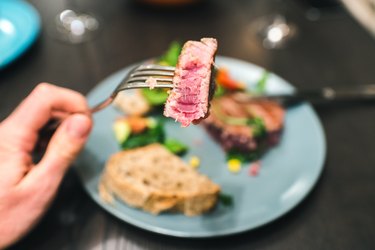
Omega-3 fatty acids are a healthy form of fat derived from marine life and certain plant foods, according the University of Maryland Medical Center. Both omega-3 and omega-6 fats are precursors in the production of new cytokines. According to May 2008 issue of "Lipids in Health and Disease," consuming inadequate omega-3 fats increases the production of cytokines from omega-6 fats, commonly found in vegetable oils. The cytokines derived from omega-6 fats are more likely to be those that promote inflammation. The University of Maryland Medical Center recommends consuming omega-3-rich fatty fish two times weekly.

Fruits and Vegetables

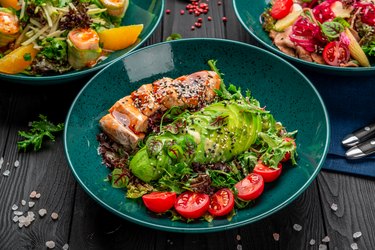
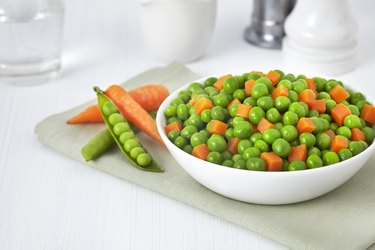
Fruits and vegetables are naturally healthy sources of nutrients, including vitamin C, vitamin E and dietary fiber. A study published in the November 2005 "American Journal of Clinical Nutrition" discovered that consuming eight or more daily servings of colorful vegetables for four weeks reduced the concentration of the cytokines C-reactive protein significantly. The authors note that the vegetable's antioxidants may help to reduce cytokine activity.

Trans Fats

Trans fat is a form of man-made fat found in hydrogenated oils and many baked goods. A research paper published in the April 2004 edition of the "American Journal of Clinical Nutrition" discovered that women who ate the most trans fat had the highest levels of pro-inflammatory cytokines in their blood when compared to women who avoided trans fat.

References

Article reviewed by GlennK Last updated on: Sep 9, 2011

Must see: Photo Galleries

Member Comments