

























































Can Protein Powder Be Used to Replace Meals?

Can Protein Powder Be Used to Replace Meals?
Photo Credit Brand X Pictures/Brand X Pictures/Getty Images

You need protein in your diet, but replacing whole meals with protein alone may not be the optimal choice for you. The reason is that you need other nutrients in your diet as well, such as carbohydrates and fats. Some physician-prescribed diet plans, such as very-low calorie diets, consist primarily of protein foods and supplements, but these eating plans are used only in extreme weight loss cases and are closely monitored by a doctor. Consult your doctor before starting a protein powder regimen.

Types

There are several varieties of protein powders on the market. Sources of protein powder include whey, soy, casein, hemp and egg. Basic protein powders contain protein and very few other nutrients. However, meal replacement powders contain fats and carbohydrates to better conform to your nutritional needs compared with basic protein powders. If you are using protein powder to replace meals, choose one containing more than just protein. Check with your doctor or dietitian to determine the best option for you.

Nutrition

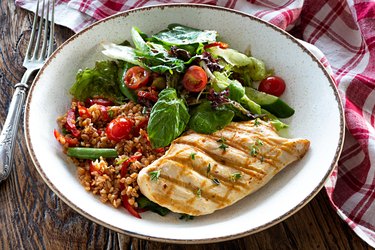
Protein powders offer high-quality protein containing all of the essential amino acids your body needs, but these products can’t replace the nutritional benefit of whole foods. By replacing one or more meals per day with protein powder, you may not be able to meet the nutritional recommendations of the 2010 Dietary Guidelines for Americans report published by the U.S. Department of Agriculture. Based on a 2,000-calorie diet, the USDA states that you need up to five-servings each of fruits and vegetables. It also states you need up to eight servings of grains and three servings of fats and oils. Proteins powders can’t completely replace these foods.

Meals

Replacing meals with protein shakes may help reduce your daily caloric intake, according to registered dietitian Katherine Zeratsky of the Mayo Clinic. She says while this may help you lose weight in the short term, you will miss out on the nutritional benefits of whole foods. Replacing a 500-calorie meal with a 100 to 200 calorie protein shake – approximately the amount in a 25 grams to 30 grams protein shake – may cause you to consume too few calories per day. If you eat a diet rich in protein but low in carbohydrates and fats, you may lose weight but feel tired, fatigued and low on energy.

Risks

Certain people shouldn’t consume too much protein in their diet, including diabetics and anyone with impaired kidney function. According to a 2004 report published in the “Journal of Sports Science and Medicine,” you may need to consume half the protein of the average person on a daily basis. The recommended dietary allowance for protein is 0.36 grams of protein per pound of body weight per day, but for kidney diseases, may be as low as 0.18 grams per pound per day. This could very well be the equivalent of the protein content in one protein shake. Check with your doctor before considering protein supplements or meal replacement shakes.

References

Article reviewed by Eric Lochridge Last updated on: Sep 9, 2011

Must see: Photo Galleries

Member Comments